At 94, Singeetham Srinivasa Rao died mid-film. His last word: 'A fruit cuts the knife.' His last film: Sing Geetham, released in October 2026. The world is quieter now.
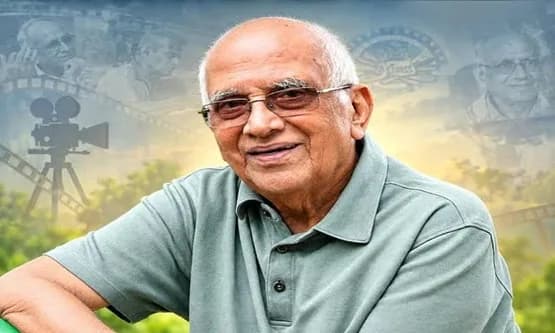
Singeetham Srinivasa Rao, the man who once asked, 'Why not?', has passed away at 94. The question, uttered in response to doubts about making a silent film, became his life’s refrain — a refusal to accept limits. His final message, sent on September 5, 2026, was just one line: ‘A fruit cuts the knife.’ Nag Ashwin shared it on social media after Rao’s death, a poetic echo of a mind still crafting stories even as the body gave out.
He wasn’t done. Not even close. The last film he saw through to release, Sing Geetham, arrived in theatres after a quiet summer that left Telugu cinema gasping for breath. A musical fantasy set in Kuberapuram, a village choked by ecological collapse.
It was conceived nearly four decades ago. Dialogues sung. No makeup. Skin textures preserved in Eastman Color film stock.
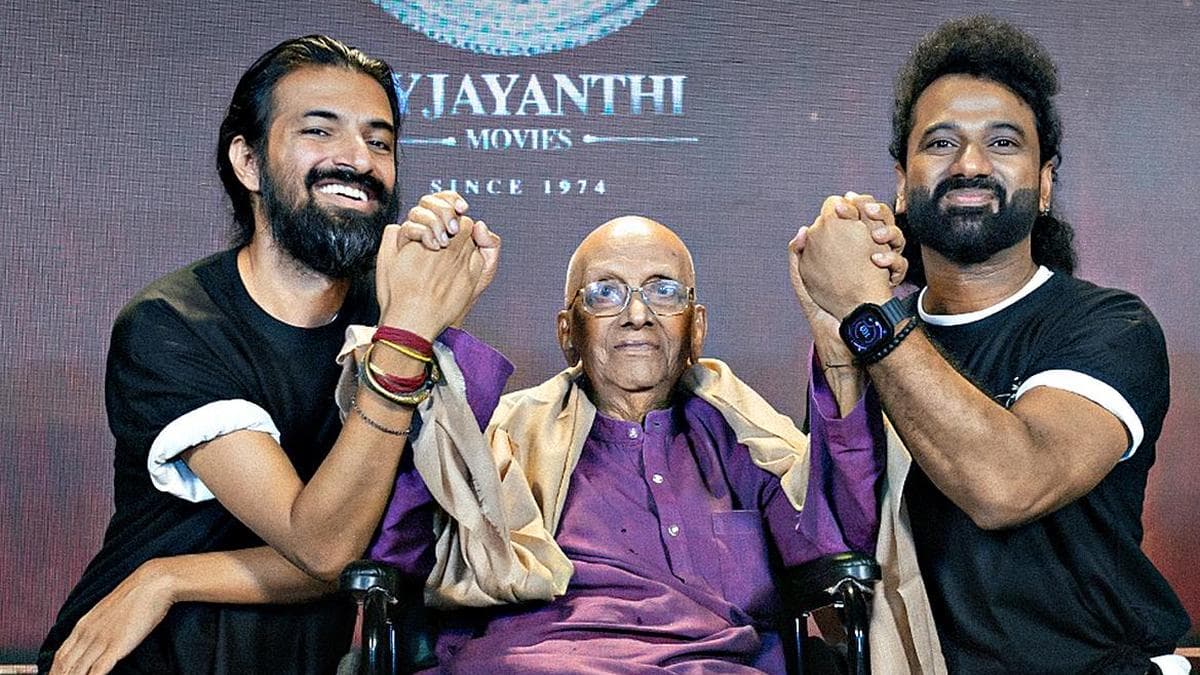
Rao shot it on raw stock, defying digital trends, insisting on authenticity. When producers hesitated, Nag Ashwin and the Dutt sisters stepped in. At 94, he was still pushing boundaries. His career spanned over seven decades.
From Maya Bazar days as an assistant to KV Reddy, to redefining genre with Michael Madana Kama Rajan, Pushpak, and Aditya 369. He made science fiction feel like play. He made silence speak louder than dialogue. He once told a journalist, ‘I like my films to be like a puzzle I can solve while making.’ That was his rhythm, no formula, no safe bets.
He didn’t just influence filmmakers. He shaped them. Prasanth Varma studied him before Hanu-Man. Vivek Athreya called him ‘the Indian Steven Spielberg’ for his generation.
Mohana Krishna Indraganti admitted his comedy had echoes of Rao’s work. And when Nag Ashwin struggled to recreate a moment from Maya Bazar in Mahanati, it was Rao who suggested Savitri shed exactly three tears. Not from emotion, but from necessity. A bottle broke.
The scene changed. History was reborn. Rao’s legacy isn’t in awards or box office numbers. It’s in the way he made people believe cinema could be anything, a game, a holiday, a rebellion.
He died with a new story unfinished. But the last frame of Sing Geetham? It played on loop in every theatre that screened it. The child in the audience, the dreamer behind the camera.
They were both still watching.
Be the first to comment
Join the argument. No password, just your email or a passkey.