The institute will roll out an online portal to log complaints after three days of student agitation sparked by a tragic suicide and demands for an 18‑point reform charter.
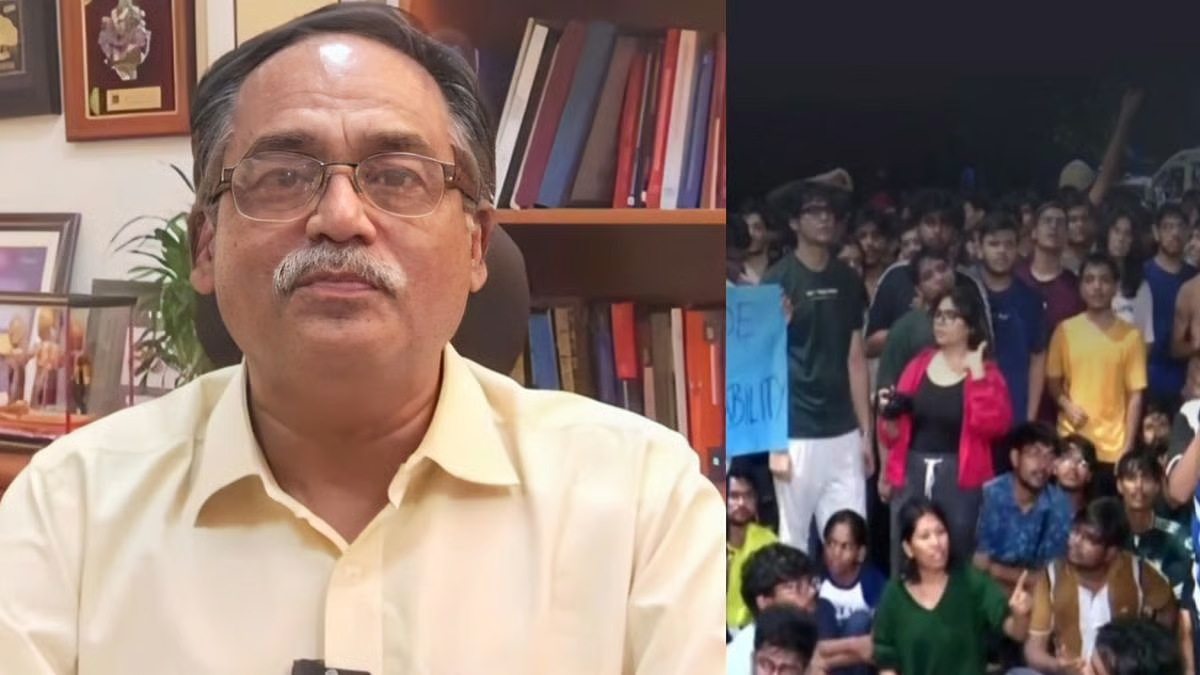
IIT Bombay’s director, Prof Shireesh Kedare, used a four‑hour open‑house session on Monday to unveil a dedicated student‑support portal. The move comes after a three‑day sit‑in by students demanding answers over the suicide of second‑year BTech scholar Sahil Wakode.
The protest began when Wakode was accused of cheating during an exam and took his own life hours later. Students rallied around his case, presenting an 18‑point charter that calls for overhauls in academic discipline, mental‑health services, hostel upkeep and the way complaints are handled.
During the open‑house, Kedare admitted that the current email‑based system was clunky and often left students in the dark. “We are building a portal that will let students file issues, track progress and receive updates,” he told the assembled crowd, which included senior faculty and Board of Governors representatives.
Portal Features
The upcoming platform will let users submit concerns anonymously, especially when the grievance involves a faculty member. Each category of complaint will be assigned a professor as a point of contact, ensuring that issues don’t disappear into an inbox. A feedback loop will push status notifications back to the complainant, cutting down on the guesswork that has plagued the current process.
Kedare also promised a committee to dissect the 18‑point charter. The group, he said, will be composed of “sensitised people who understand the gravity of the matter,” rather than a token mix of random staff and students. The committee is expected to draft an implementation plan within a week, with the administration aiming to meet the one‑month deadline set by the protesters.
Beyond the portal, students used the forum to flag broader campus woes: overcrowded hostels, spotty mental‑health counseling, and a disciplinary framework they deem too harsh. While the portal addresses the mechanics of filing complaints, many argue that cultural change is needed to make the system truly responsive.
The open‑house ended without a clear signal on whether the protest would be called off. Students said they will stay put until concrete steps are visible and a timetable is shared publicly. The institute, meanwhile, has signaled readiness to act, but the next week will reveal whether promises translate into practice.
All eyes are now on the portal’s launch date and the committee’s first report. If the digital tool lives up to its promise, it could reshape how grievances are managed at one of India’s premier engineering schools. If not, the campus could see another round of unrest, this time demanding not just a system, but accountability.


Be the first to comment
Join the argument. No password, just your email or a passkey.