
Indian 3 is back. Not with a fanfare, not with a trailer — just a quiet confirmation that the film, once declared dead after its predecessor’s box office collapse, has been revived. The makers have reportedly decided to move forward with the third installment, though no official release date has been announced. Speculation points to a theatrical rollout in summer 2027. The decision comes amid widespread skepticism online, with many questioning why a franchise that failed at the box office would be resurrected. But the stakes are higher than just sentiment. The film’s budget, already ballooning beyond initial estimates, now carries a staggering weight. Originally approved for over 200 crore, the production exceeded that figure by nearly three times. Reports suggest the combined cost of both parts of the split second film reached a mammoth 600 crore. Dividing that by two gives Indian 3 a technical budget of 300 crore, making it a mega-budget project. That number isn’t just a figure. It’s a target. To avoid being labeled a failure, the film must earn 300 crore net at the Indian box office. That’s the safe zone. And it’s not easy to reach. Kamal Haasan’s highest-grossing film in India as lead actor is Vikram, which earned 247.32 crore net. So Indian 3 must surpass that by 52.68 crore. More than half a hundred crores, to even begin to claim success. That’s without factoring in digital rights, satellite deals, or international collections. Netflix, meanwhile, is said to have offered 88 crores for post-theatrical streaming rights. A sign of interest, but also a reminder of how much value is tied to performance. The film was never meant to be a trilogy. Initially, there were no plans for a third part. The story was supposed to end with the second film. But when costs spiraled, the content was split into two movies. Now, the third chapter is being pushed forward despite the wreckage of the previous one. Whether audiences will return remains uncertain. The numbers don’t lie: this isn’t just another sequel. It’s a financial tightrope walk. And the next move? Wait for summer 2027. Until then, the pressure mounts.
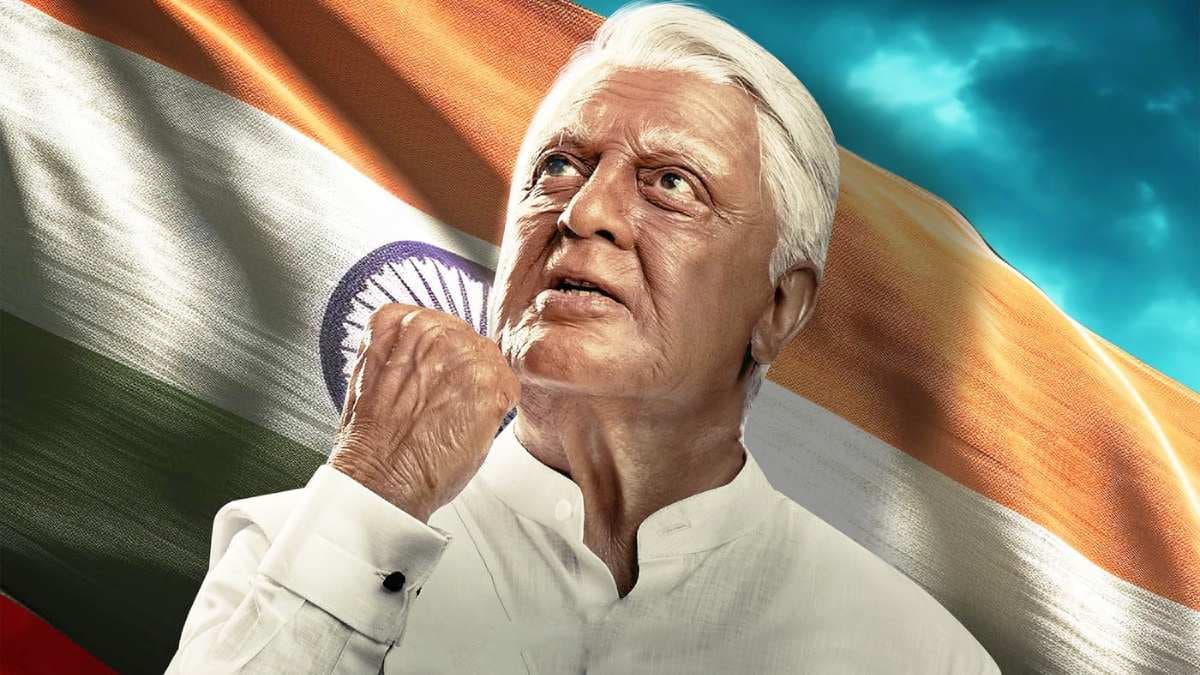 Photo via Koimoi - Box Office
Indian 3 Revived: Needs 52.68 Crore More Than Vikram to Avoid Failure
Indian 3 is back. With a 300-crore price tag and a target 52.68 crore above Vikram, it’s not just a sequel—it’s a reckoning.
In this story
Live site hype
around 3 reading right now · 422 today
Reported from
This article was written by the CutMirchi desk from the reporting above. Facts are attributed to their original publishers.
Read next

Indian 3 Post-Production Set To Resume, Say Reports
Reports citing Sun News Tamil say Indian 3's makers are about to restart post-production, with a large chunk of footage already shot alongside Indian 2 and only VFX-heavy patchwork left.

Godzilla Minus Zero Review: North America Box Office Forecast
Godzilla Minus Zero is tracking for a $25 million-plus opening weekend in North America, more than double its predecessor's debut, but still far from the $181.3 million record held by Black Panther: Wakanda Forever.

Kangana’s ‘Ouch’ Turns Kamal’s Starlink Rant Into a Cultural Moment
Kangana Ranaut’s one-liner reaction to Kamal Haasan’s takedown of Elon Musk has turned a policy debate into a viral moment — and the internet is already writing the next chapter.

Upendra Hails Dorothy as 'Superb'
Dorothy’s quiet storm is turning into a full-blown festival wave. The Tamil film, which opened with a whisper in Indian theatres, has now earned its first major industry seal of approval — from Upendra himself.
Be the first to comment
Join the argument. No password, just your email or a passkey.