A wave of identical, glowing social media posts for new Kannada releases has sparked outrage over orchestrated paid reviews and fake influencer campaigns.
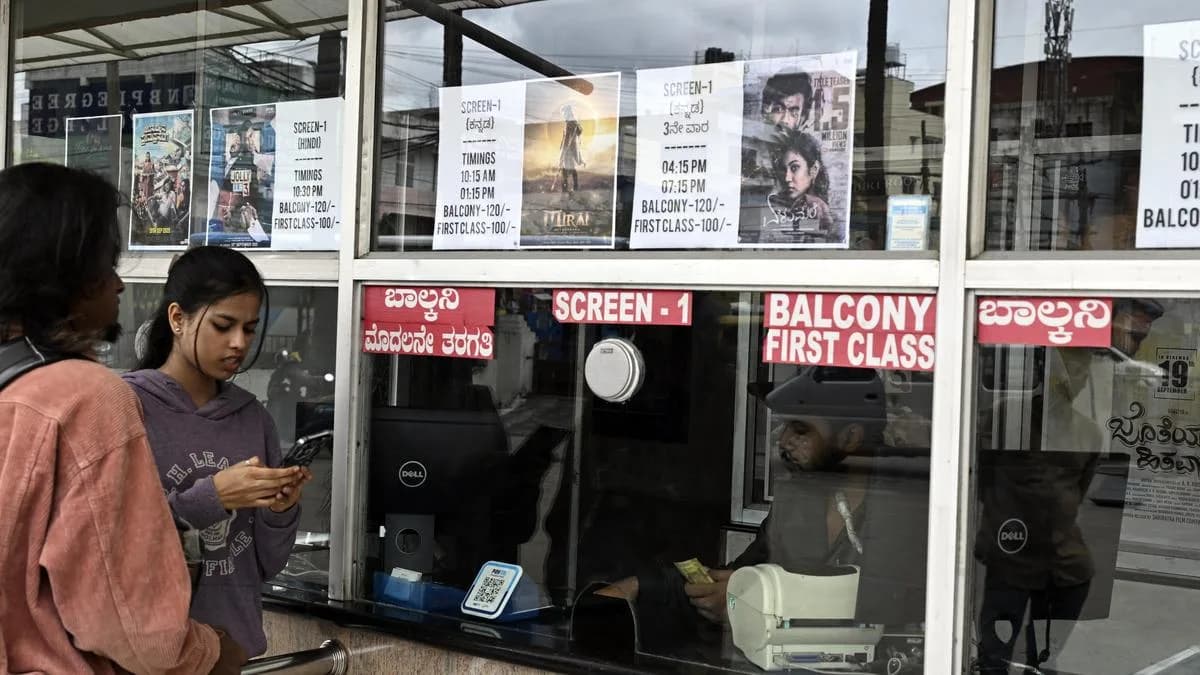
The latest wave of Kannada film releases isn’t just about storylines or star power — it’s about who’s actually saying what online. Behind the surge of glowing posts on X and Instagram, often echoing phrases like “Kannada cinema goes to the next level” or “epic climax,” lies a growing industry-wide concern: the rise of paid reviews.
Insiders confirm that PR teams are now scripting identical lines in WhatsApp groups and paying influencers, some with tens of thousands of followers. To post them en masse across platforms. The same practice extends to Instagram, where self-styled “film reviewers” and “experts” are reportedly offering positive takes for a fee.
A PR official, speaking on condition of anonymity, described this as a new marketing tactic, comparing it to promoting a restaurant or dish: not everyone will love it, but the buzz can draw curious audiences. But cinephiles aren’t buying it. S.S. Ravikumar, an emerging filmmaker active on social media, says the repetition is too obvious.
“You see 10–20 posts with similar wording. It’s easy to guess that the reviews aren’t genuine.” The strategy isn’t foolproof. Pavithra Gowda, co-founder of the PR agency Pink Tickets, warns that sustained success depends on content resonating with viewers. “A film can only sustain and win at the box office if its content resonates with the audience,” she said.
When the movie fails to deliver, the damage to reputation is real. Even models once seen as authentic are now being replicated, and distorted. Su From So, one of 2025’s biggest hits, bypassed traditional press events by hosting paid-premiere shows in four or five Karnataka cities. The idea was to let word-of-mouth spread organically.
It worked. But others have since copied the formula. Only to fabricate reactions. Videos show packed theaters, fans screaming in delight, crowds clapping.
Yet many attendees were hired influencers, paid to create the illusion of mass enthusiasm. “The response can be confusing,” Ravikumar admitted. “It makes it hard to tell what’s real.” Veteran critic S. Shivakumar notes that paid influence isn’t new, there were backroom deals before social media. But the reach and uniformity today are different.
“Of course, some accepted it, and some didn’t,” he said. Harish Arasu, founder of Arasu Creations, stressed that PR isn’t just about pushing films blindly. “There will be many small-scale movies with great content. The producers won’t have the budget to market them,” he said, underscoring the need for creative outreach.
But negative campaigns are just as damaging. Kairam Vaashi, another film critic, warned that orchestrated attacks can kill a film before it even opens. With Kannada audiences showing low turnout except on rare occasions, studios are scrambling for attention. But the reliance on artificial hype risks undermining trust, especially as word-of-mouth becomes the deciding factor in a film’s fate.
The industry now faces a critical question: how to connect without compromising authenticity?



Be the first to comment
Join the argument. No password, just your email or a passkey.