The film’s trans love story and a same‑sex kiss have provoked online boycotts, exposing tensions between claimed progressivism and entrenched caste attitudes.
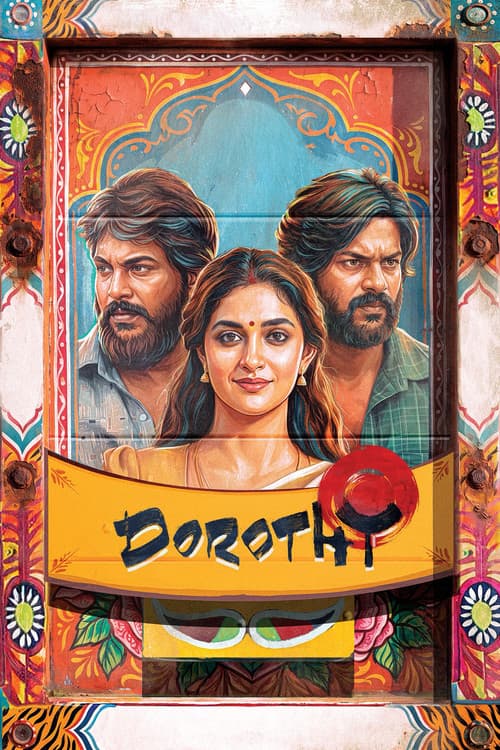
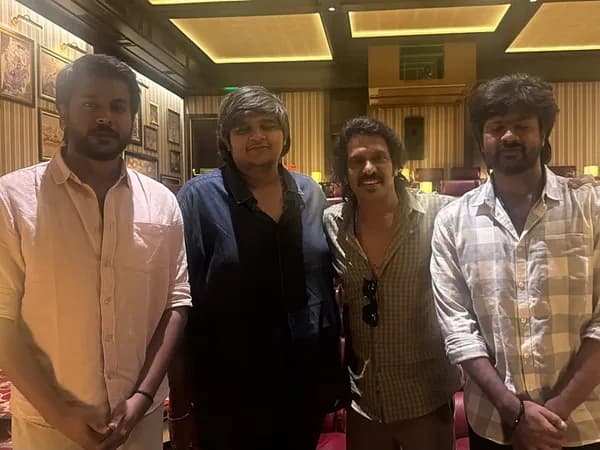
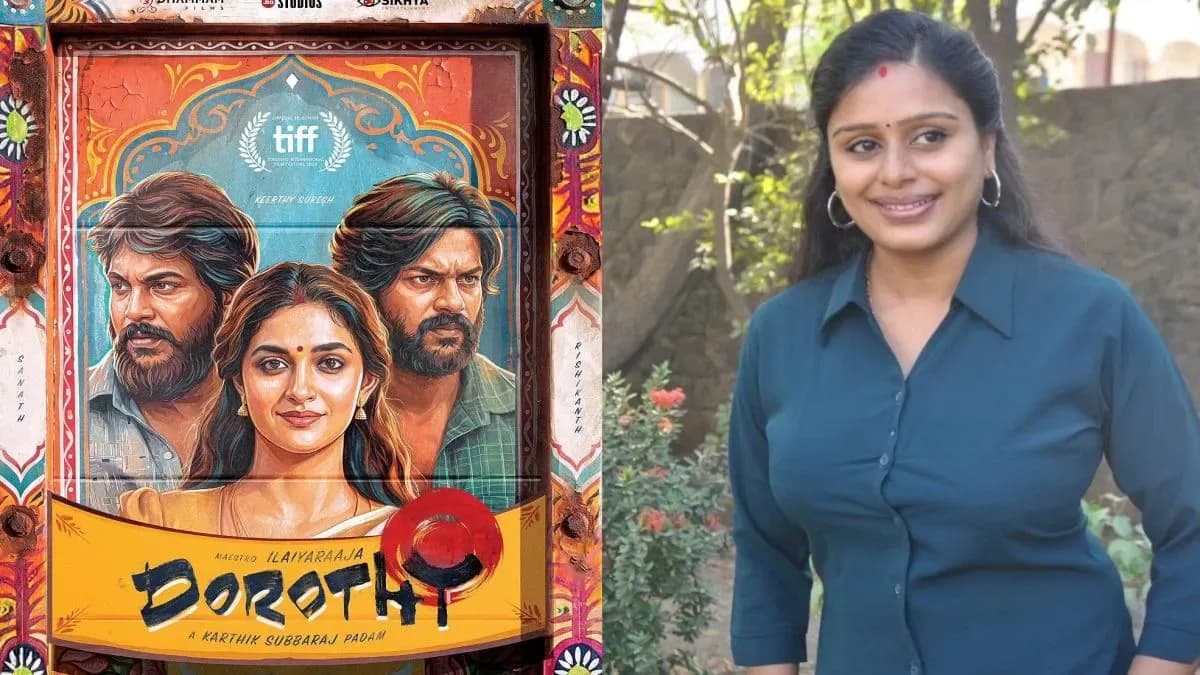
Karthik Subbaraj’s new Tamil drama Dorothy hit theatres on Saturday and immediately attracted a wave of online boycotts after a scene featuring a kiss between two cisgender male leads. The controversy has reignited debate over how Tamil Nadu’s self‑styled progressivism handles queer narratives and caste‑linked violence.
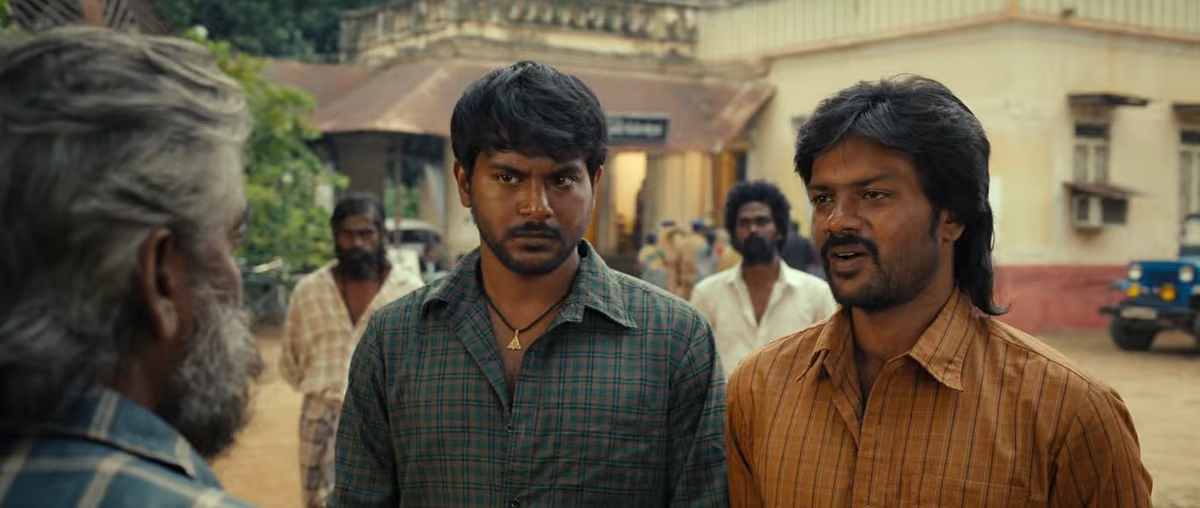
Set in a dusty Madurai village, the story opens with two boys, Subu and Karthi, who grow up sharing fights, dreams and a fragile friendship. As they age, the film shifts its focus to the rigid expectations forced on boys – the idea that tears betray masculinity and that violence is a rite of passage. When Subu later embraces a trans identity, taking the name Dorothy, the narrative collides with the brutal hierarchy of caste and honour that still governs the region.
The backlash erupted online as users called for a boycott, branding the on‑screen kiss as sinful. Some commentators even invoked historical boycott movements, comparing the current uproar to past solidarity campaigns. Yet many critics argue that the current wave is being weaponised to silence stories that challenge caste‑based patriarchy and queerphobia.
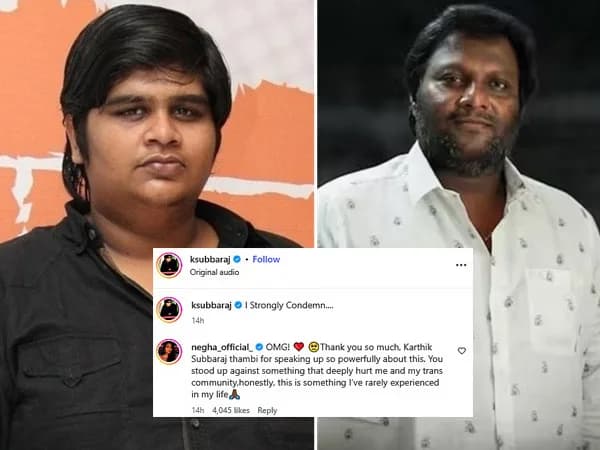
Industry heavyweight Mohan G, known for films that glorify caste pride, publicly condemned the film, claiming that discussions of queer rights erode Indian traditions. Trans activist Negha retorted that Mohan’s reaction is predictable, pointing out the overlap between casteist and queer‑phobic mindsets.
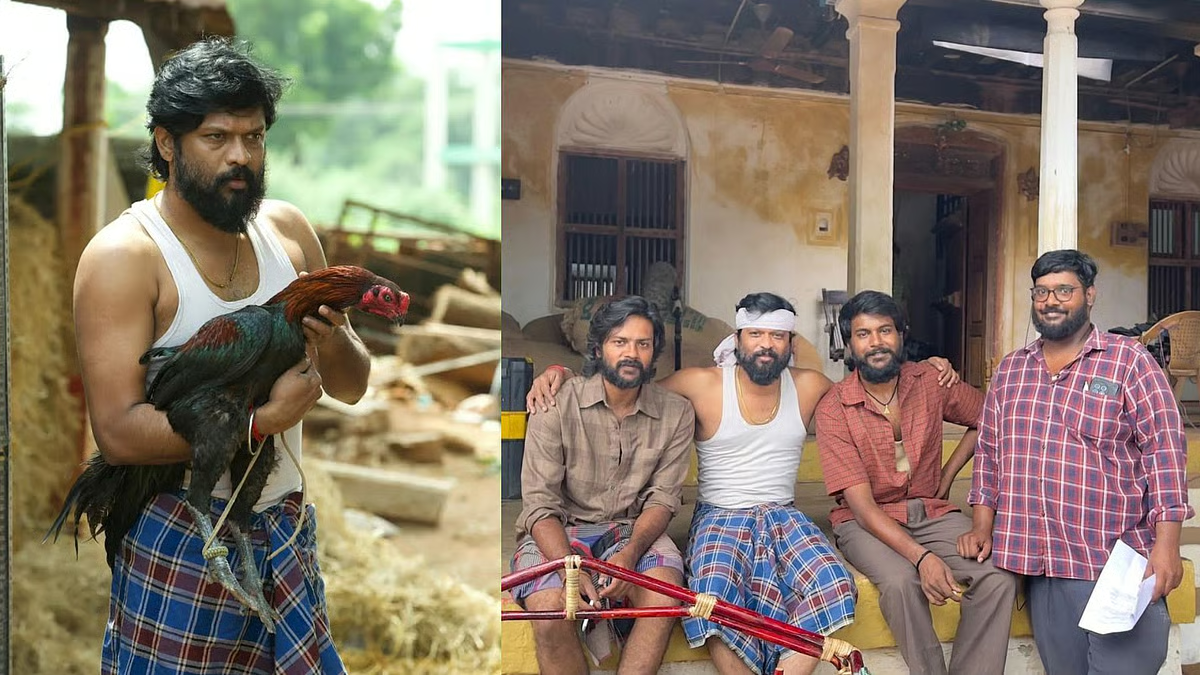
Dorothy’s father, a local loan shark dubbed ‘Whistle’ Ayya, embodies the violent enforcement of endogamy. His response to his child’s transition is swift and brutal, underscoring how honour‑based violence can extend beyond inter‑caste marriages to target gender‑nonconforming individuals. The film suggests that the same orthodoxy that fuels caste oppression also fuels queerphobia, a point that has resonated with some viewers while drawing criticism from others who say the parallel is too direct.
The friendship between Karthi and Dorothy remains the emotional core. Before the transition, Karthi often chastises his friend for crying, equating vulnerability with weakness. As adults, Karthi’s loyalty is tested. He fights to protect Dorothy, yet his internalised masculinity makes it hard for him to accept her truth. Their struggle mirrors the larger societal clash between entrenched patriarchal codes and emerging queer identities.
Critics praise Muthukumar’s portrayal of Whistle Ayya for its unsettling realism. He is not a caricature but a figure many recognize in everyday life, making the film’s villains feel all the more immediate. This realism, however, has also made the backlash more personal, as some online commenters see themselves reflected in the on‑screen antagonists.
The controversy has forced streaming platforms and distributors to brace for potential protests, while activists call for broader legal protections that address intersecting forms of violence – caste, gender, sexuality and class. The debate is far from settled, and the film’s box‑office performance may become a barometer for how far Tamil audiences are willing to embrace stories that challenge the status quo.
What’s next?
As Dorothy continues its theatrical run, the conversation is likely to spill over into social media debates, policy discussions and future film projects. Whether the boycott gains traction or fizzles out, the film has already carved a space for queer narratives in mainstream Tamil cinema, forcing the industry to reckon with the complex web of caste and gender politics that still shape everyday life.

Be the first to comment
Join the argument. No password, just your email or a passkey.