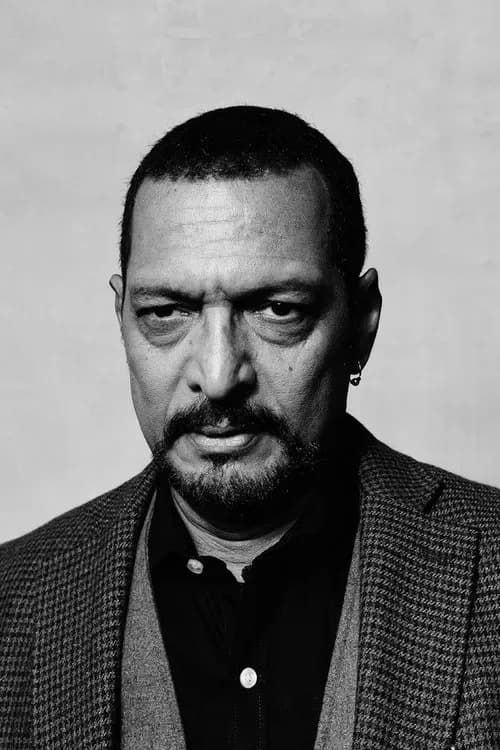
Nana Patekar died on October 8, 2026, at the age of 75, after suffering a cardiac arrest at his residence in Dona Paula, Goa. He was rushed to Manipal Hospital, where resuscitation efforts failed. His son, Malhar Patekar, confirmed the passing. The news triggered an outpouring of grief across Indian cinema, with colleagues and fans reflecting on his towering performances but on the quiet moments that defined his humanity. Veteran actress Saira Banu, wife of the legendary Dilip Kumar, shared one such memory in a heartfelt social media post. It recalled an incident from shortly after Nana Patekar won the National Film Award for Best Actor for Krantiveer in 1994. The actor had been invited to Dilip Kumar’s home in Pali Hill for lunch. Heavy rain delayed him, and by the time he arrived, he was completely soaked. Rather than reacting with concern or spectacle, Dilip Kumar simply went inside, brought a towel, gently dried Nana’s head, and then handed him a fresh shirt to change into. No words were exchanged. No fanfare. Just care. Saira Banu recounted how Nana later told her about the moment — how deeply it moved him. “Isse bada kya award chahiye ek insaan ko?” he’d said. What greater recognition could anyone ask for than this? A gesture of warmth from the man he revered most. The anecdote, repeated across reports, points to a truth that transcends awards: for Nana Patekar, personal validation from those he admired carried weight far beyond accolades. He had spoken before about being touched by Satyajit Ray’s unfulfilled interest in working with him, a revelation that brought him to tears. He often cited Motilal, Balraj Sahni, and Dilip Kumar as formative influences, particularly praising the latter’s performance in Ganga Jamuna. His career spanned decades, marked by intense, morally complex roles in films like Parinda, Agni Sakshi, Ab Tak Chhappan, and Natsamrat. But what now lingers isn’t just the screen presence. It’s the memory of someone who carried reverence like a compass. In the aftermath of his death, tributes have focused on his artistry, yes, and on the way he lived: not just as a performer, but as a man shaped by admiration, humility, and the rarest kind of respect, the kind that doesn’t demand anything, only gives. The industry mourns. But some of the deepest echoes come from a single act: a towel passed in silence, a shirt offered without ceremony. That’s the legacy that remains.
 Photo via Bollywood Hungama - Features
Nana Patekar Death: Saira Banu Recalls Dilip Kumar's Kindness After Krantiveer Win
Saira Banu recalls Dilip Kumar's quiet kindness after Nana Patekar won Best Actor for Krantiveer — a moment that stayed with him for life.
In this story
Live site hype
around 3 reading right now · 530 today
Reported from
- Bollywood Hungama - Features — Saira Banu remembers Nana Patekar with heartwarming anecdote about Dilip Kumar after his best actor win for Krantiveer
- Bollywood Hungama - Main Feed — Saira Banu remembers Nana Patekar with heartwarming anecdote about Dilip Kumar after his best actor win for Krantiveer
- Bollywood Mascot — Saira Banu Remembers Nana Patekar, Recalls Dilip Kumar’s Kindness
This article was written by the CutMirchi desk from the reporting above. Facts are attributed to their original publishers.
Read next
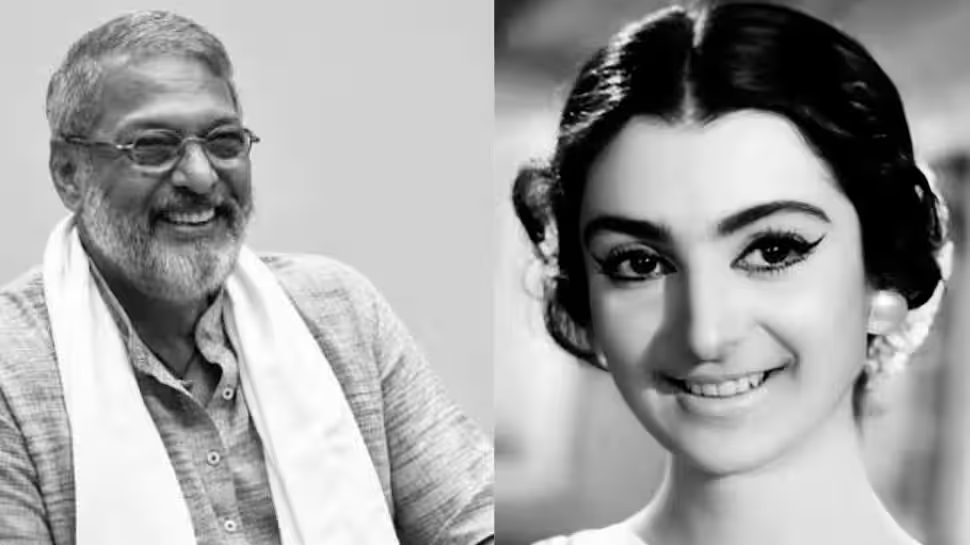
Dilip Kumar Dried Nana Patekar’s Hair After Krantiveer Win
Saira Banu recalls Dilip Kumar drying Nana Patekar's head after he arrived soaked at their home post-Krantiveer award win.

Nana Patekar Dead at 75: The Man Who Made Krantiveer Survive Its Own Doubters
Nana Patekar has died at 75, leaving behind a legacy shaped by Krantiveer—a film that nearly didn’t get made. Sridevi and Kajol rejected roles. Distributors feared failure. He improvised the iconic climax monologue. Now, the nation mourns.
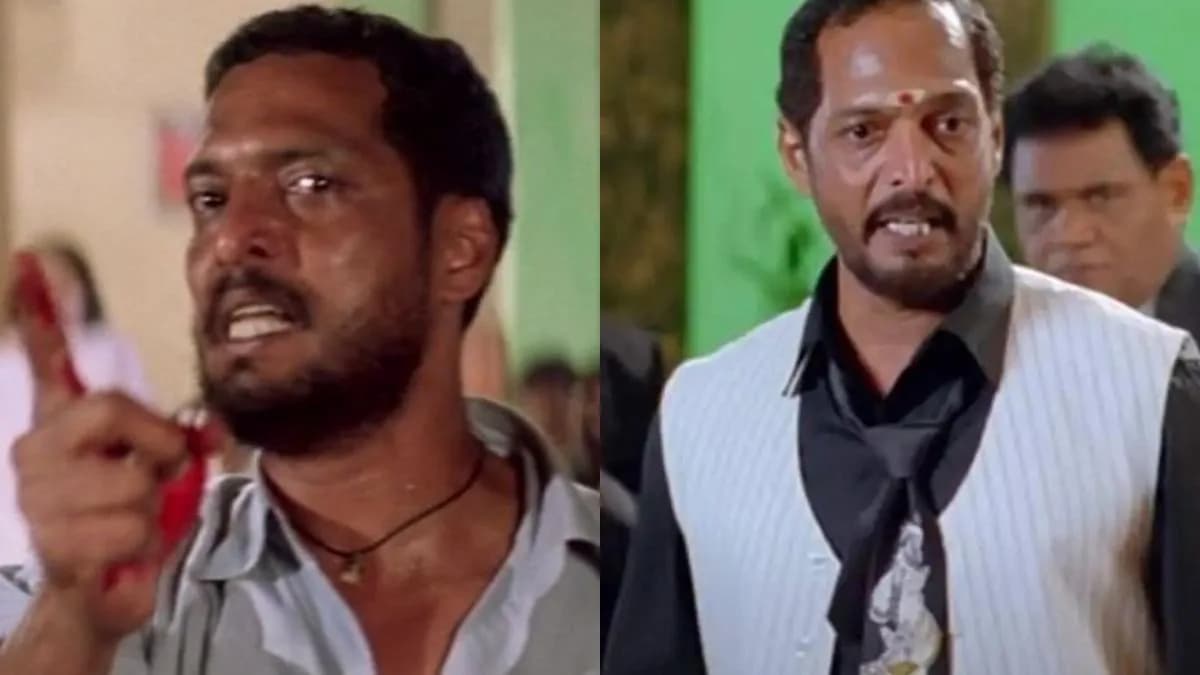
Nana Patekar Dead at 75: The Last Line Wasn't On Screen
Nana Patekar is dead. The news broke Thursday morning, confirmed by multiple sources close to the actor’s family. He was 75. The veteran performer, whose voice could shift from a whisper to a roar in a single breath, passed away after a brief illness. No official cause has been released yet.
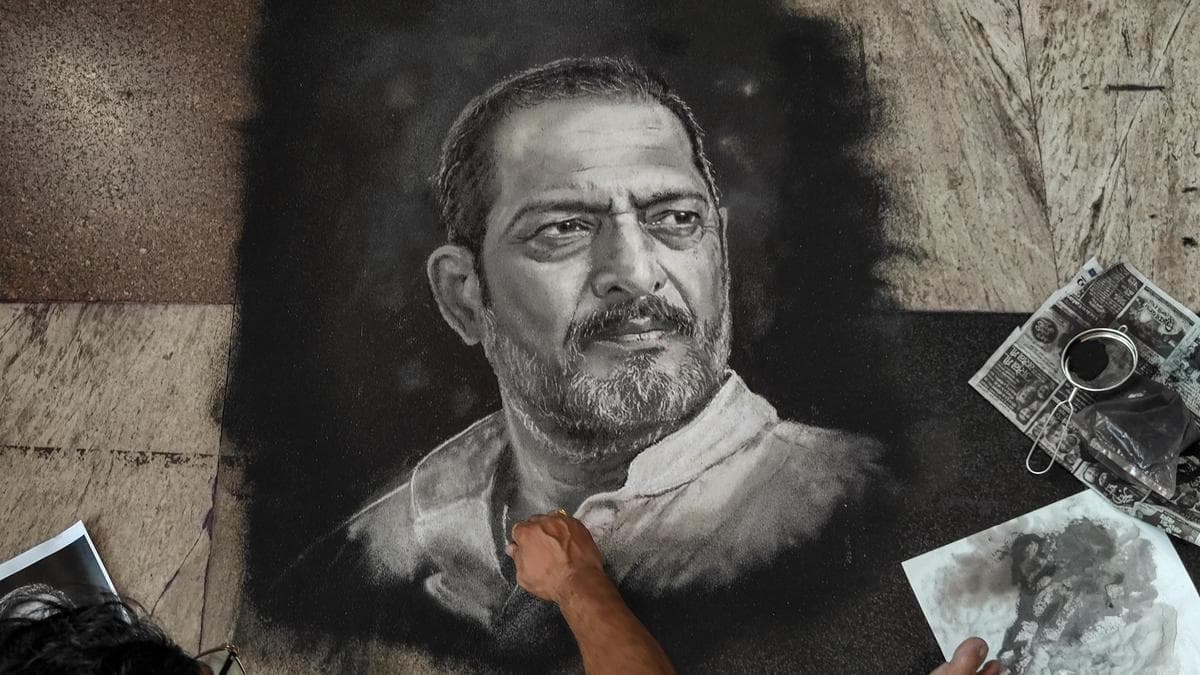
Nana Patekar Dies At 75, Leaves Behind Four Decades Of Defiant Cinema
Nana Patekar, the three-time National Award winner known for Krantiveer, Parinda and Natsamrat, died at 75 on Thursday of a sudden cardiac arrest, per The Hindu.
Be the first to comment
Join the argument. No password, just your email or a passkey.