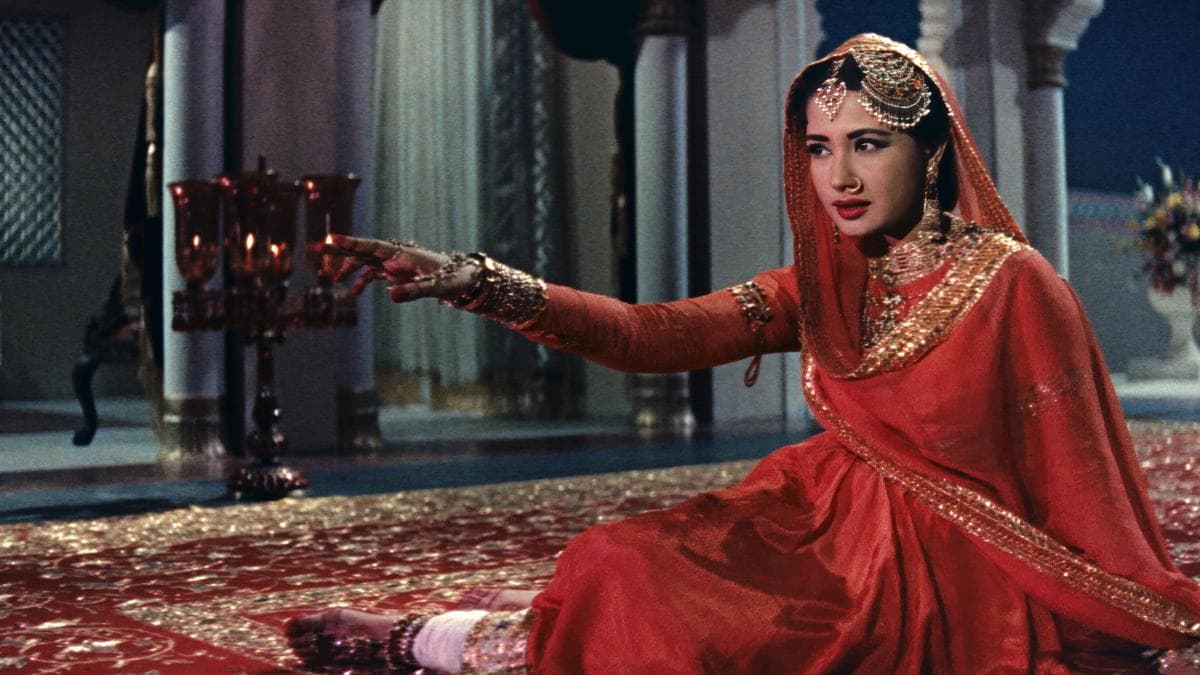

A film that took nearly fifteen years to make and nearly didn't survive on celluloid is getting a second life on the big screen. The Film Heritage Foundation has finished a 4K restoration of Kamal Amrohi's Pakeezah, and it will have its world premiere at the Festival Lumière in Lyon before moving to the BFI London Film Festival and, eventually, Indian cinemas.
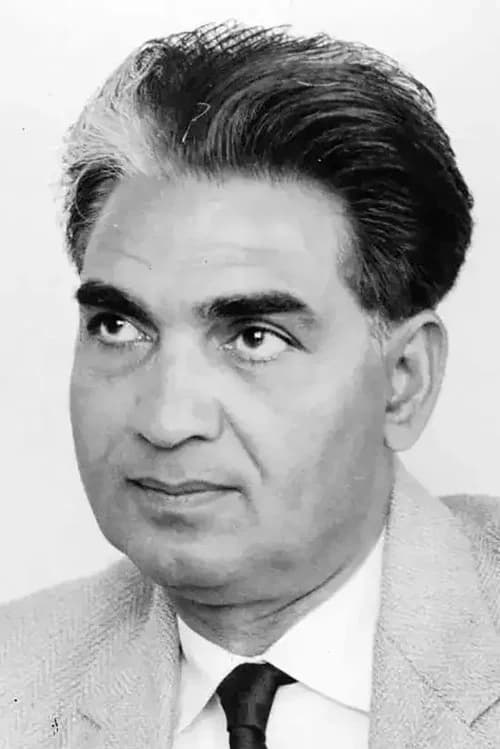
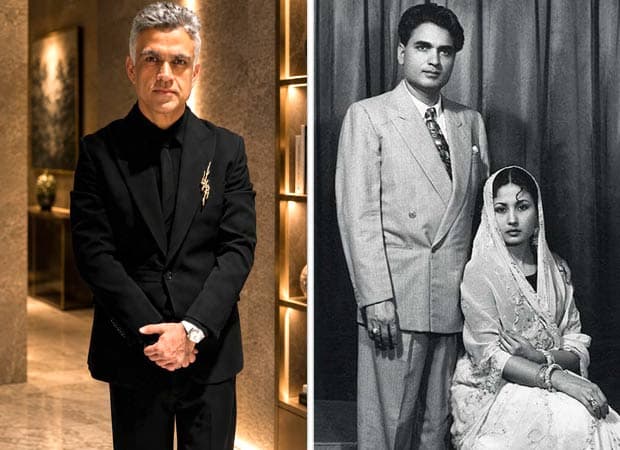
This wasn't a straightforward scan-and-clean job. FHF director Shivendra Singh Dungarpur has said the original camera negative had almost melted, and whatever else survived wasn't in much better shape. The team leaned on original film stills and on the memories of Kamal Amrohi's children, Tajdar and Rukhsaar, to reconstruct his intent scene by scene. Dungarpur has called this his personal dream project, dating back to watching Pakeezah as a child with his grandmother in a theatre in Dumraon, Bihar.
A production that outlasted its own drama
Pakeezah's backstory is almost as dramatic as anything on screen. Shooting began in black and white in 1956, moved to Eastmancolor in 1958, and was shot by German cinematographer Josef Wirsching. Script rewrites and Amrohi's perfectionism kept inflating the budget, a fire on set destroyed negatives, and Amrohi and Meena Kumari separated during production. She came back to finish the film despite a liver cirrhosis diagnosis, reportedly at the urging of friends. Wirsching died before the film wrapped, so multiple leading cinematographers had to step in to hold his visual style together. Composer Ghulam Mohammed died too, and Naushad completed the background score.

Be the first to comment
Join the argument. No password, just your email or a passkey.