The Telugu filmmaker behind cult classics like Raja Paarvai and Michael Madana Kama Rajan has passed away, leaving behind a six-decade career defined by bold collaborations with Kamal Haasan.
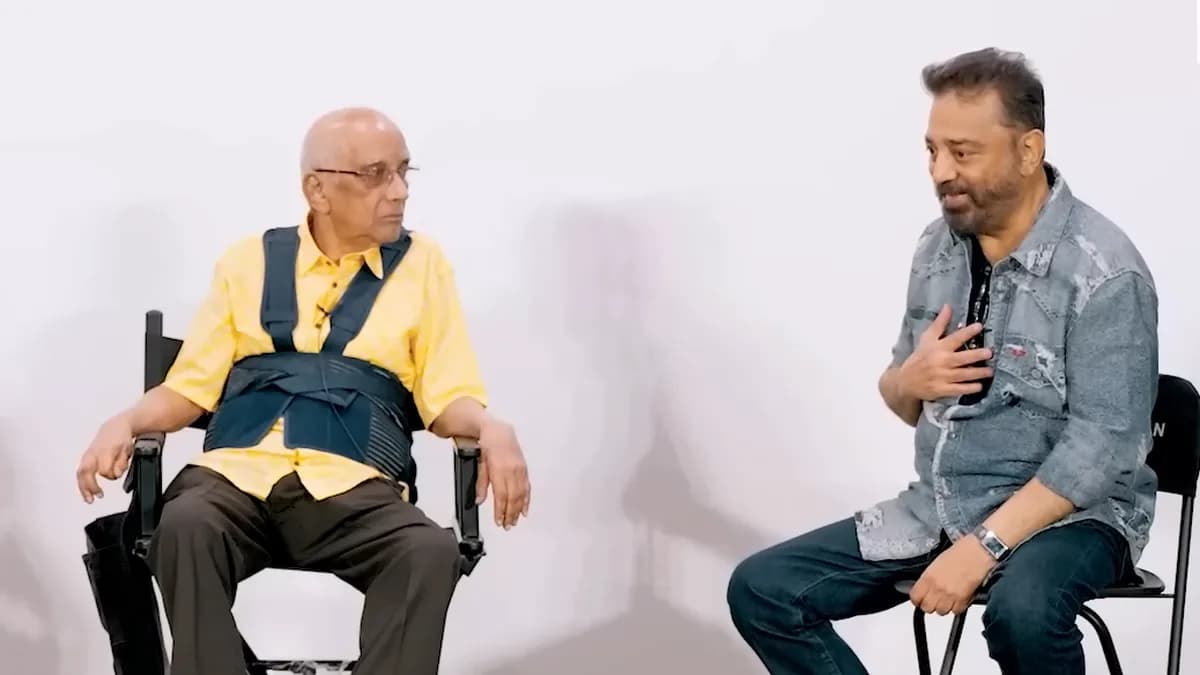
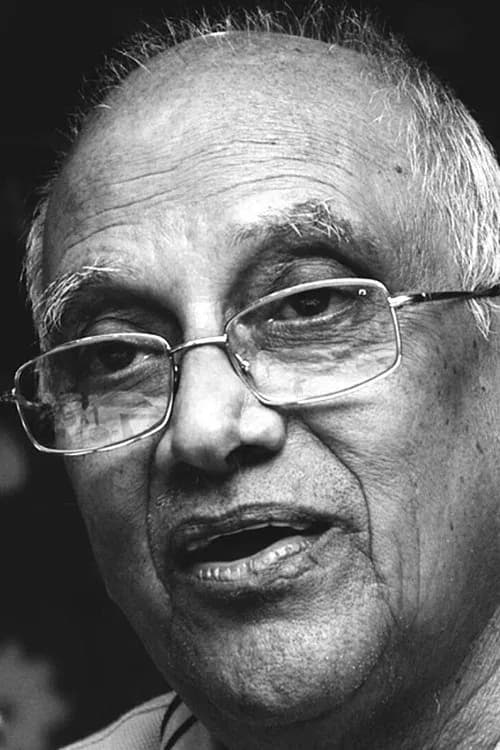
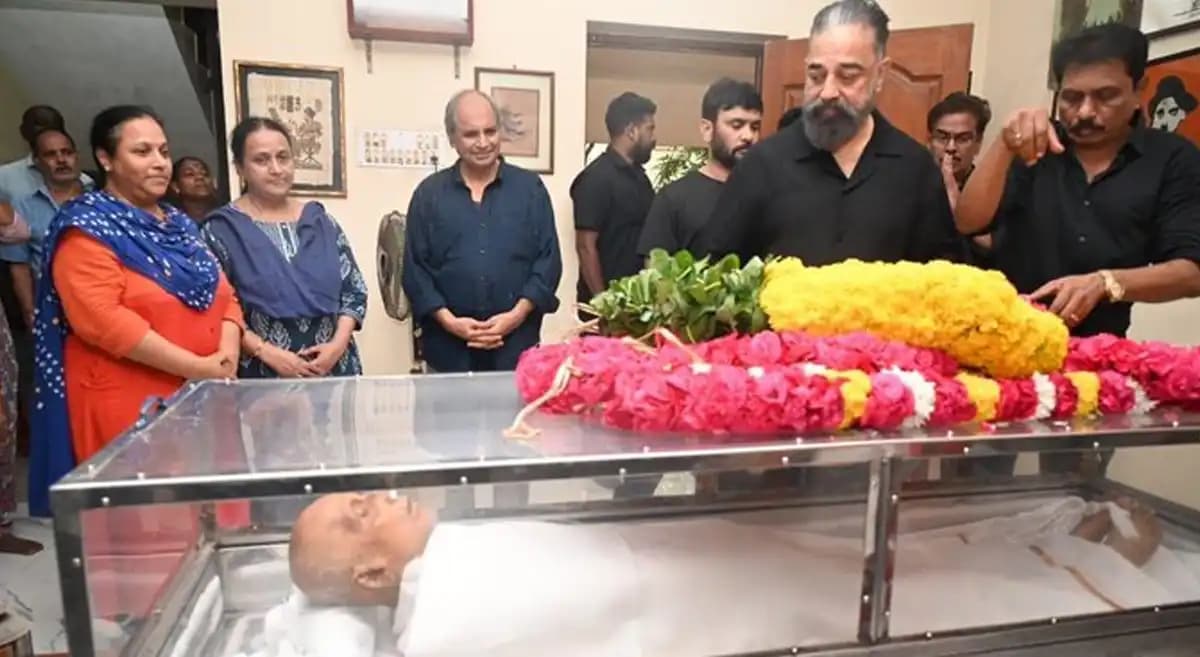
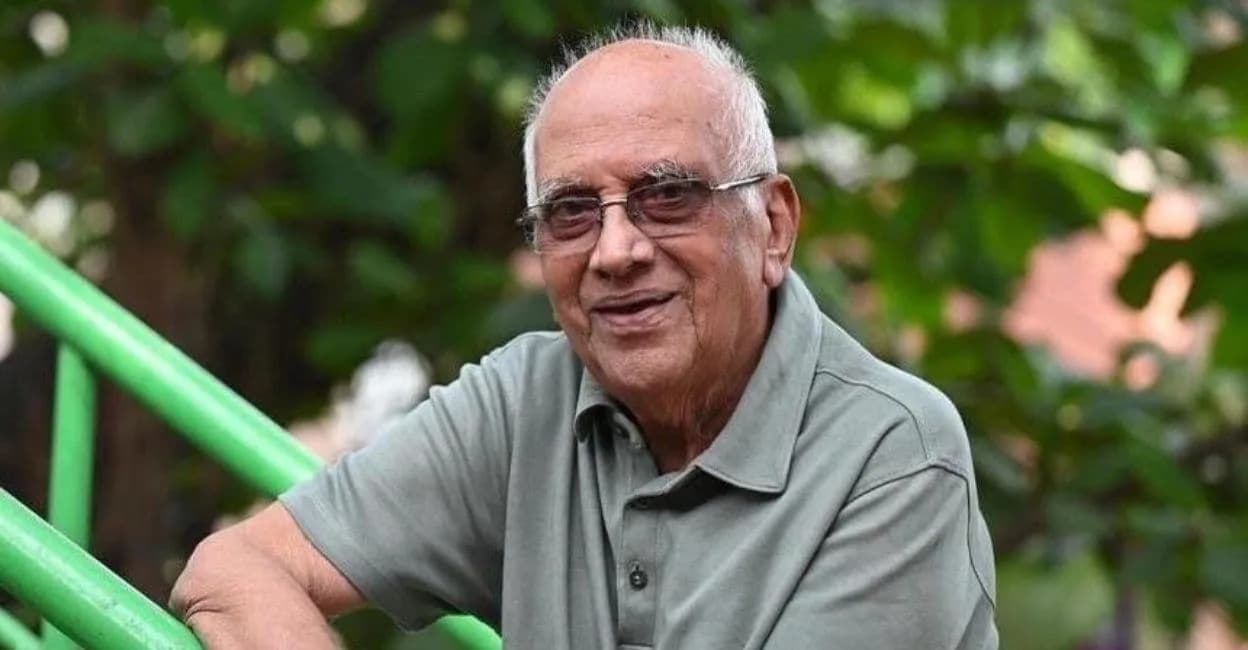
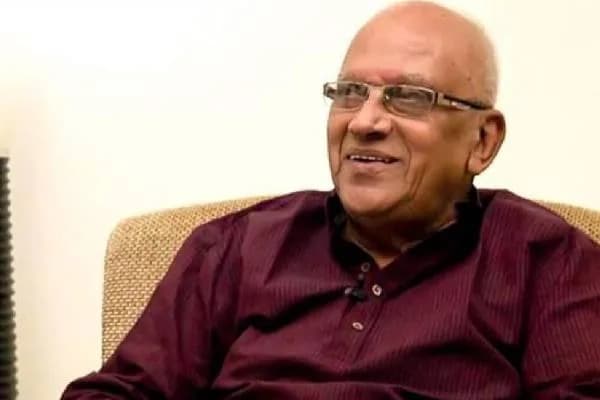
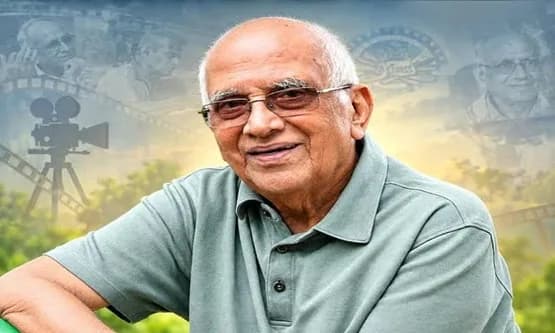
Singeetham Srinivasa Rao, the acclaimed Telugu filmmaker whose career spanned over six decades, has passed away at the age of 87. Tributes have flooded in from across the industry, with Kamal Haasan among those paying his final respects.
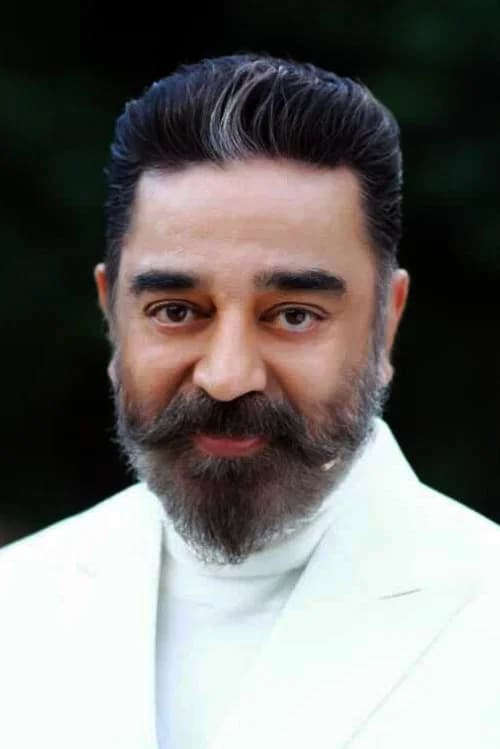
The director’s legacy is inseparable from his creative partnership with Kamal Haasan, one of Indian cinema’s most enduring duos. Their journey began in 1979 with Sommokadidhi Sokokadidhi, a Telugu action-comedy where Kamal played dual roles — a performance that laid the groundwork for future experiments in identity and transformation.
Two years later, they delivered Raja Paarvai (1981), a milestone film for multiple reasons. It marked Kamal’s 100th film as an actor and his debut as a producer under his banner, Haasan Brothers, later Raaj Kamal Films International. The story, about a blind violinist in love with a Christian woman, was also Singeetham’s first collaboration with music maestro Ilaiyaraaja and introduced art director Thota Tharani to the big screen.
In 1987, Singeetham took on a radical challenge: making a film without dialogue. Pushpaka Vimana, known as Pesum Padam in Tamil Nadu and Pushpak in Hindi regions, told the story of an unemployed graduate who assumes the identity of a drunk businessman. When questioned about its commercial viability, Singeetham responded with a rhetorical question: "Why climb the Himalayas? Because it’s an achievement." The film won the National Award for Best Popular Film Providing Wholesome Entertainment.
Then came Apoorva Sagodharargal (1989), where Kamal portrayed three characters, including one with dwarfism. After being discouraged by mentor K Balachander, Kamal brought the idea to Singeetham. To achieve authenticity, special footwear was attached to folded knees, trenches were dug to conceal legs in side shots, and carefully attention was paid to body language. The screenplay was written by Panchu Arunachalam, with dialogues by Crazy Mohan.
Their final masterpiece together was Michael Madana Kama Rajan (1990), inspired by a Pakistani film about quadruplets separated at birth. With a screenplay by Kamal and dialogues by Mohan, it became a beloved comedy classic, blending themes of identity, family, and fate.
These seven films. Each a genre-defying experiment, defined a golden era in South Indian cinema. Singeetham never saw himself as avant-garde. "What is commercial? A Tamil-language Kamal film or a no-language film with Kamal?" he once asked. The answer, history confirms, was both.
His passing marks the end of an era. But the echoes of his work. Especially with Kamal Haasan, continue to reverberate through every frame of modern Indian cinema.
Be the first to comment
Join the argument. No password, just your email or a passkey.