He died at 94. His last film came out in June 2026. It was a musical fantasy where songs were dialogue. He’d wanted to make it since the 1970s. He never stopped asking 'what if?'
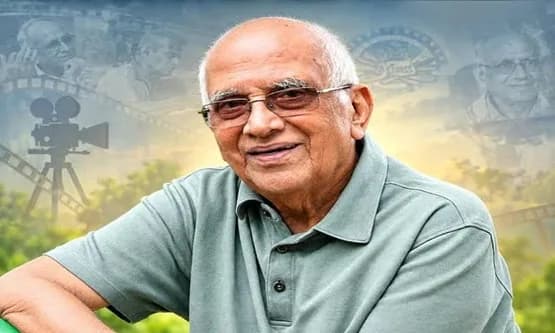
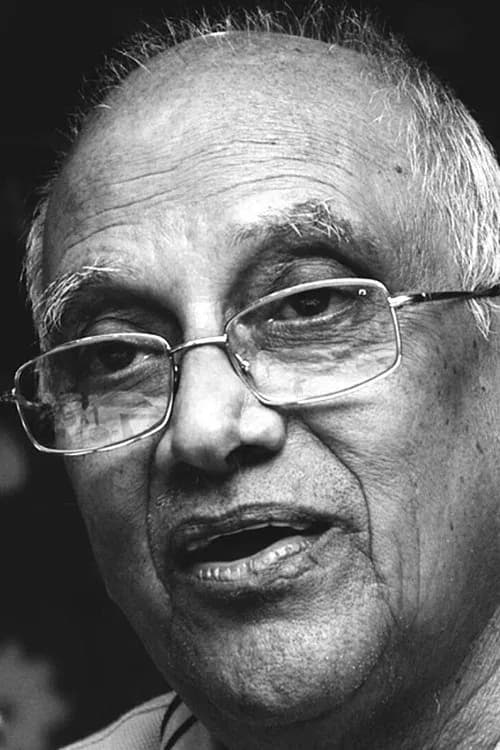
Singeetham Srinivasa Rao died in Chennai on Saturday night, aged 94. The news arrived quietly — no fanfare, no official statement, but the silence only underscored what his career had always been: a refusal to conform. He passed after years of declining health, at Kauvery Hospital, leaving behind a filmography that defied genre, language, and time.
His final film, Sing Geetham, released in June 2026, was not a farewell. It was a continuation. A man who once made a movie without dialogue now built one where songs were speech. At 94, he wasn’t winding down.
He was still asking questions. What if? What else? Why not?* “Pushpaka Vimanam”.
The 1987 film where Kamal Haasan played a man pretending to be rich, with no spoken lines, remains one of Indian cinema’s most radical experiments. Not a single word. Just timing, expression, and sound design. That was Singeetham.
He didn’t just make films. He tested them. He broke rules like they were props. In 1976, he cast a French dancer in America Ammayi.
In 1984, he gave a real-life amputee dancer, Sudha Chandran, the lead in Mayuri. She wasn’t acting. She was living. In 1991, he sent Nandamuri Balakrishna through time in Aditya 369, long before Bollywood caught up with sci-fi.
And in 2003, he animated Son of Aladdin. 1,100 shots, 125 characters, before animation was even a thought in mainstream Telugu cinema. He began as an apprentice under KV Reddy, handed a copy of The Monkey’s Paw and told to write a screenplay. Impressed, Reddy took him on. From there, he moved from assistant to associate director to auteur.
He worked across Telugu, Tamil, Kannada, Hindi, and English. He directed Rajkumar. He collaborated with Kamal Haasan on seven films. He wrote stories that felt like blueprints for future cinema.
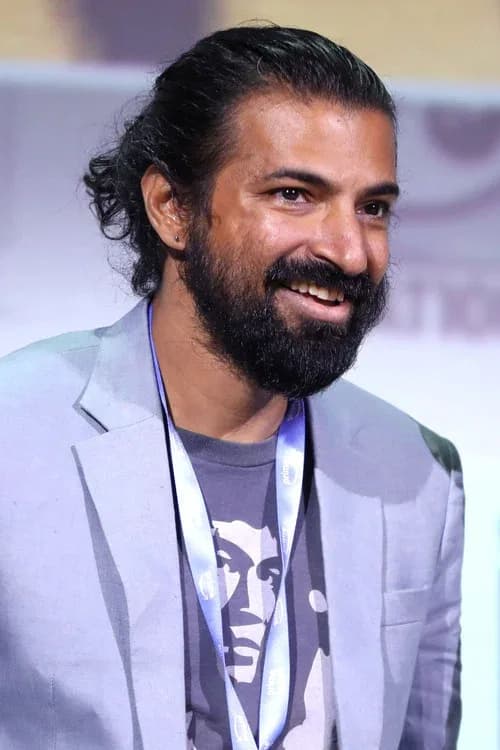
His wife, Lakshmi Kalyani, died in 2022. He wrote Srikalyaniyam in her memory. That was his way: grief, then creation. The last film he directed was Sing Geetham, produced by Nag Ashwin, released in June 2026.
No press conference. No red carpet. Just a release. A musical fantasy where songs replaced dialogue.
The idea had been brewing for decades. He’d wanted to do it since the 1970s. Now, at 94, he did. The film starred Ayaan, Ahilya Bamroo, Shalini Kondepudi.
Music by Devi Sri Prasad. It was not a comeback. It was a conclusion. But also, perhaps, an invitation.
To keep going. To keep breaking. He wasn’t just a filmmaker. He was a question mark in a business obsessed with answers.
He didn’t care about formulas. He cared about possibility. And when he died, the industry lost more than a name. It lost a rhythm.
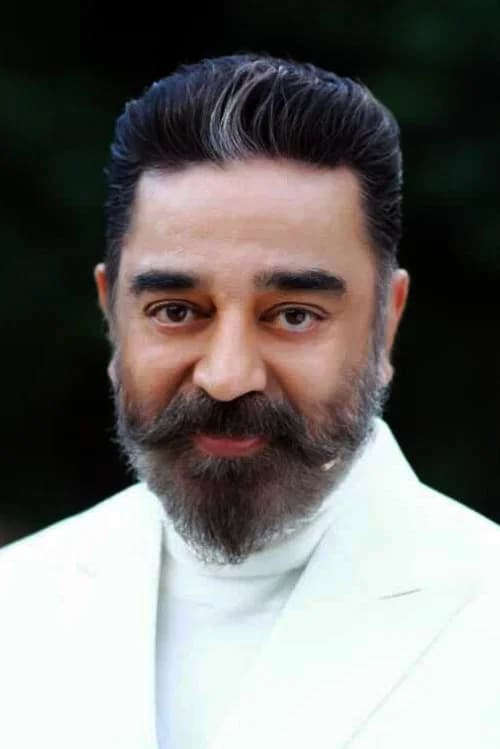
A kind of fearless curiosity that doesn’t come back. Kamal Haasan paid his respects. The tributes poured in. But the real legacy isn’t in the accolades.
National Awards, Nandi Awards, Filmfare South. It’s in the films that still surprise. The ones that make you pause. The ones that say: this could’ve been different.
This is different. Singeetham Srinivasa Rao didn’t follow the rules. He rewrote them. And then walked away.
Leaving behind a trail of questions. One final one, maybe: what will we do next?
Be the first to comment
Join the argument. No password, just your email or a passkey.