The visionary director behind cult classics like Pushpaka Vimana and Aditya 369 passed away in Chennai after a brief illness, leaving behind a legacy of genre-defying cinema.
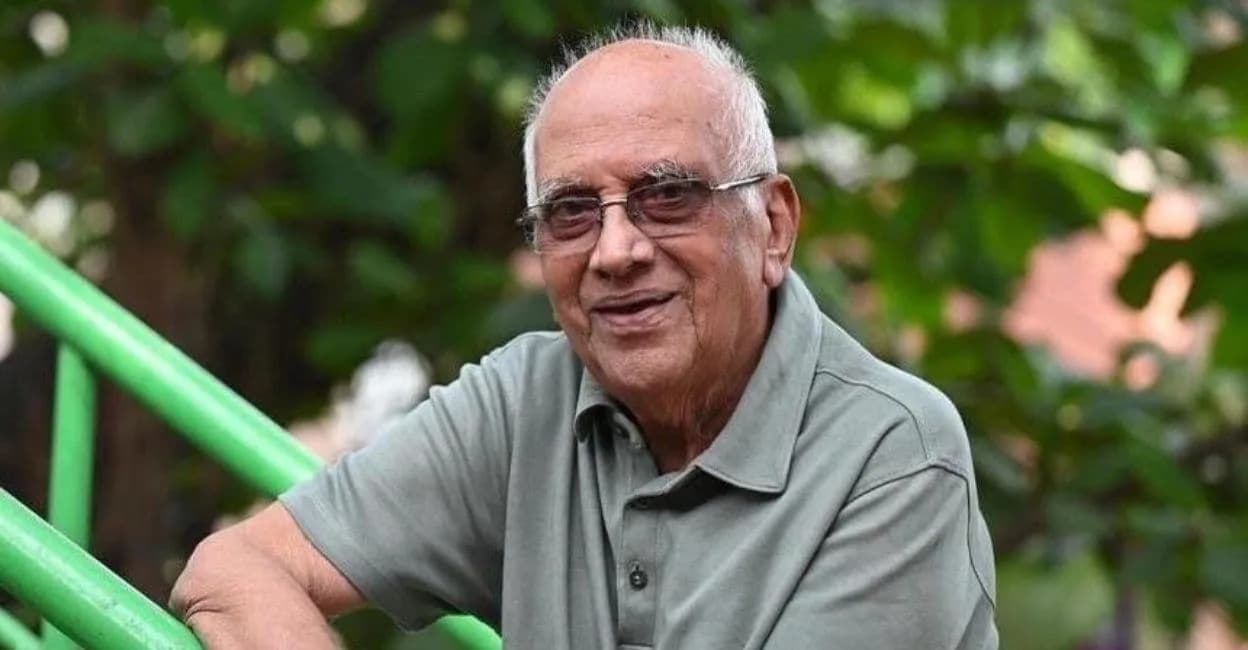
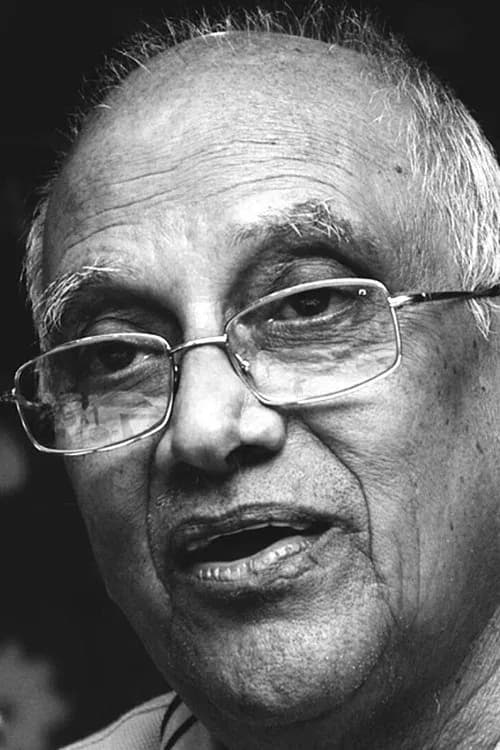
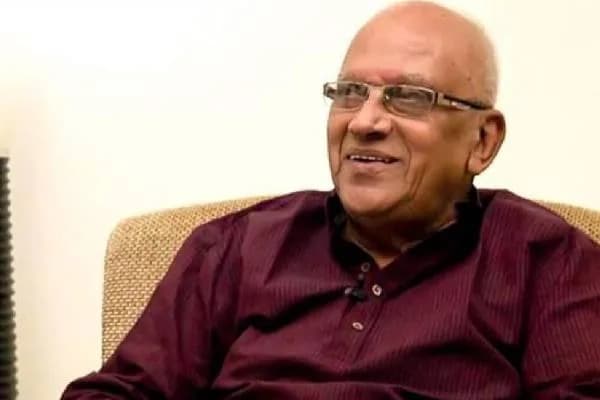
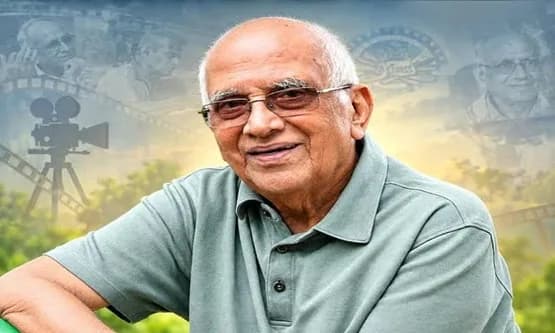
Singeetham Srinivasa Rao, the trailblazing filmmaker who redefined storytelling in Indian cinema, has passed away at 94. He died on Saturday, October 3, at Kauvery Hospital in Chennai, according to reports from The News Minute and Onmanorama. The cause was not disclosed.
Rao’s career spanned over five decades, beginning with his debut as a director at 41 with Neeti Nijayiti (1972). He went on to helm landmark films across Telugu, Tamil, and Kannada industries, including Pushpaka Vimana (1987), Aditya 369 (1991), Apoorva Sagodharargal (1989), Michael Madana Kama Rajan (1990), and Magalir Mattum (1994). His work earned him the National Film Award for Best Feature Film in Tamil for Dikkatra Parvathi.
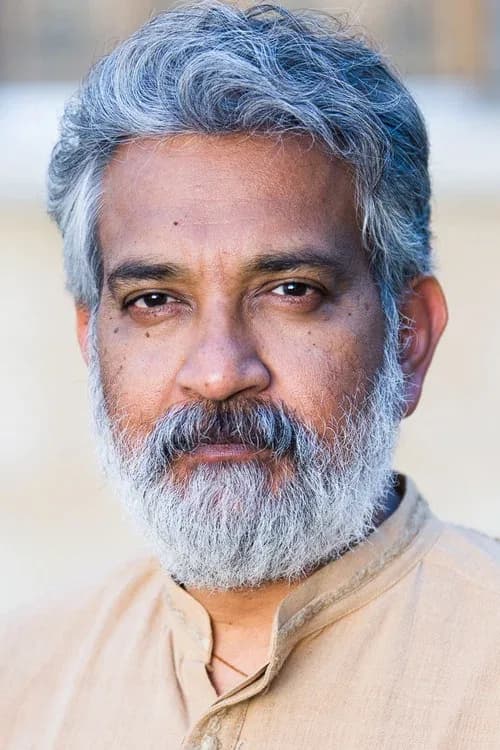
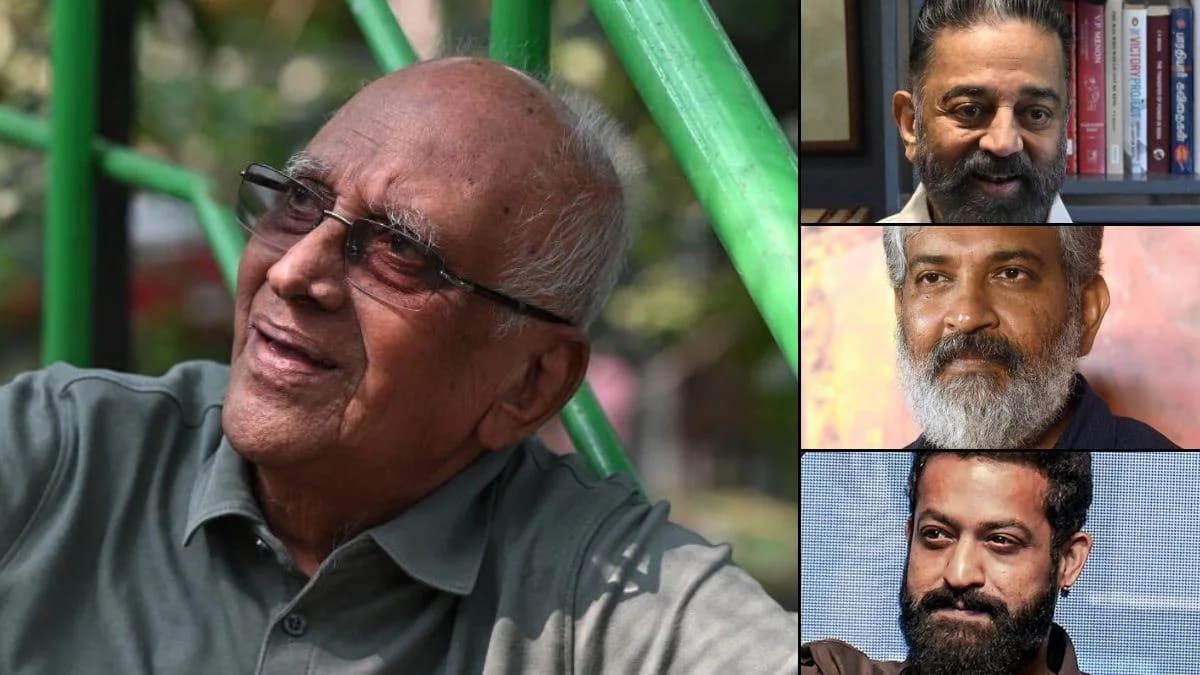
What set Rao apart was his fearless experimentation. He directed a film without a single line of dialogue — Apoorva Sagodharargal, and clean blended comedy, fantasy, and emotional drama. SS Rajamouli paid tribute, calling him a pioneer who dared to dream beyond budgets and tools. "He showed a whole generation that the only real limit in cinema is imagination," Rajamouli said.
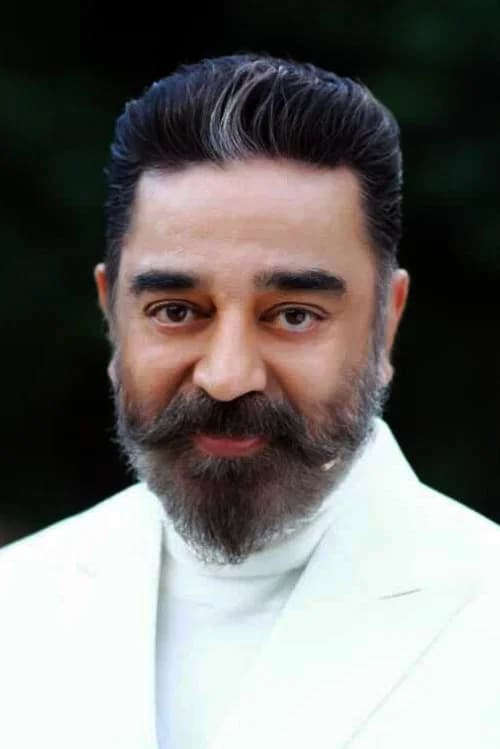
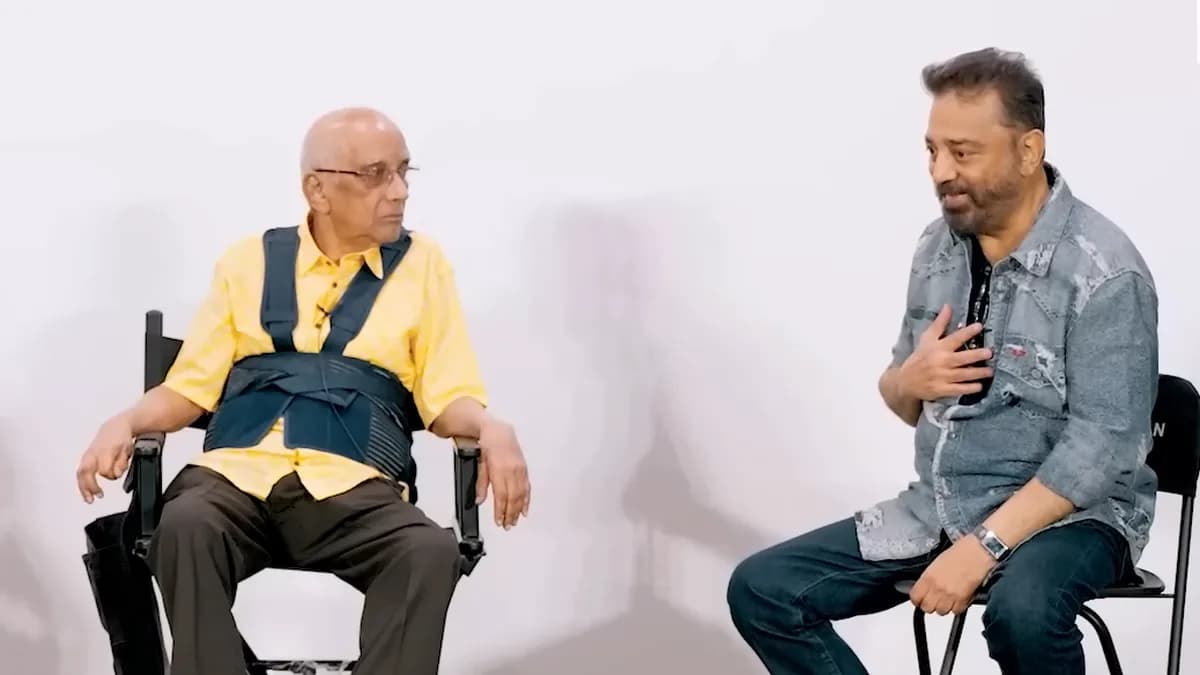
Kamal Haasan, who collaborated with Rao on multiple projects, shared a heartfelt note: "Dying young need not be a tragedy. It can be glorious. Singeetham Srinivasa Rao is a great example." Haasan also reflected on Rao’s enduring spirit, noting how he continued creating even at 94.
His last directorial, Sing Geetham, premiered earlier this year. Proof of his relentless creative drive. The film’s release just months before his death underscored his belief that age is no barrier to artistic expression.
Tributes flooded in from across the industry. Lyricist Vairamuthu called Rao’s contributions immortal. Telugu filmmaker Srinu Vaitla praised his imagination and passion. Even those who worked with him briefly, like the actor who credited Rao for launching his career with Anand, spoke of his lasting influence.
Rao’s body was kept at his Virugambakkam residence for public homage. His final rites were held on Sunday at Nesapakkam crematorium in Chennai.
The loss marks the end of an era. Rao wasn’t just a filmmaker, he was a force who proved Indian cinema could stretch beyond convention, long before the world caught up.
Be the first to comment
Join the argument. No password, just your email or a passkey.