The final film of a legend, unfinished, unlaunched, still humming.
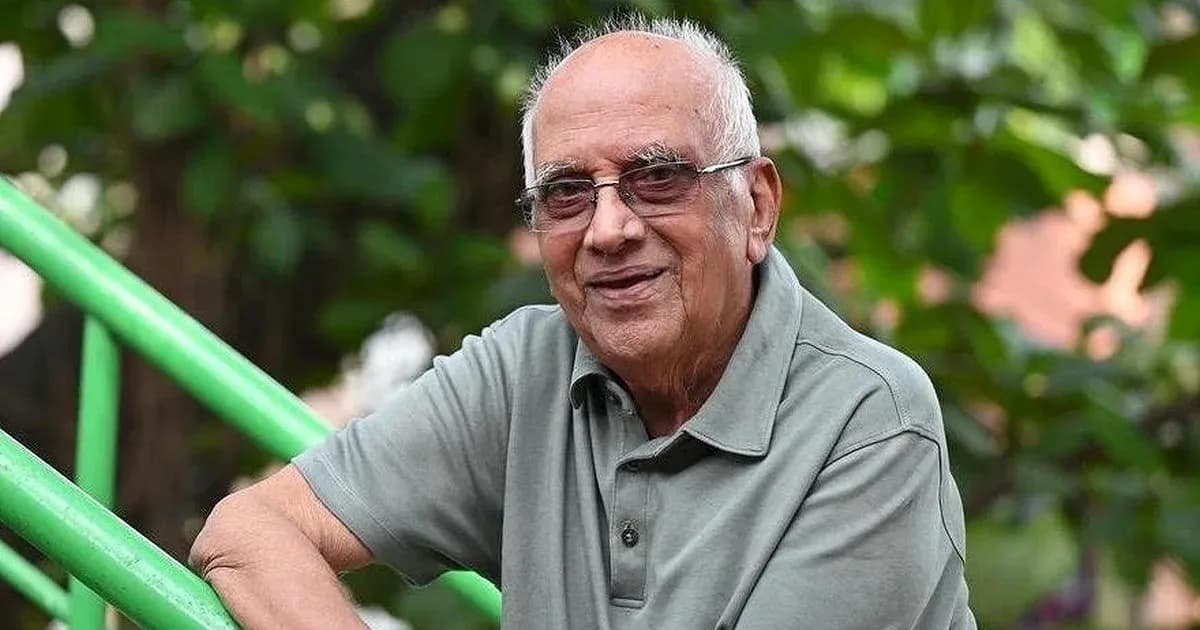
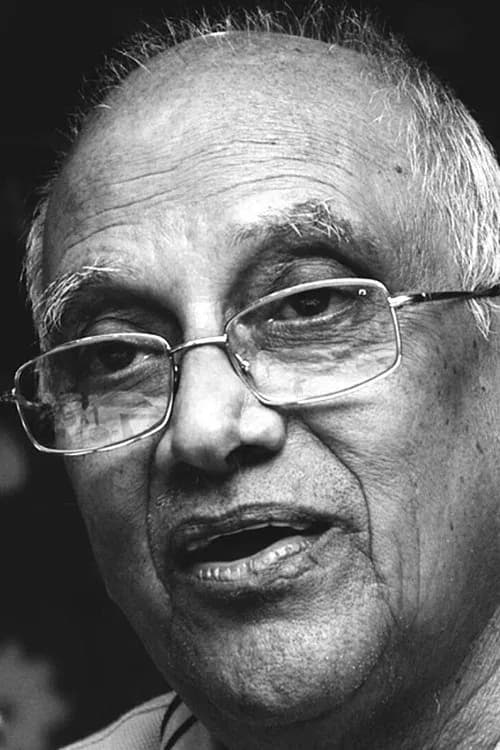
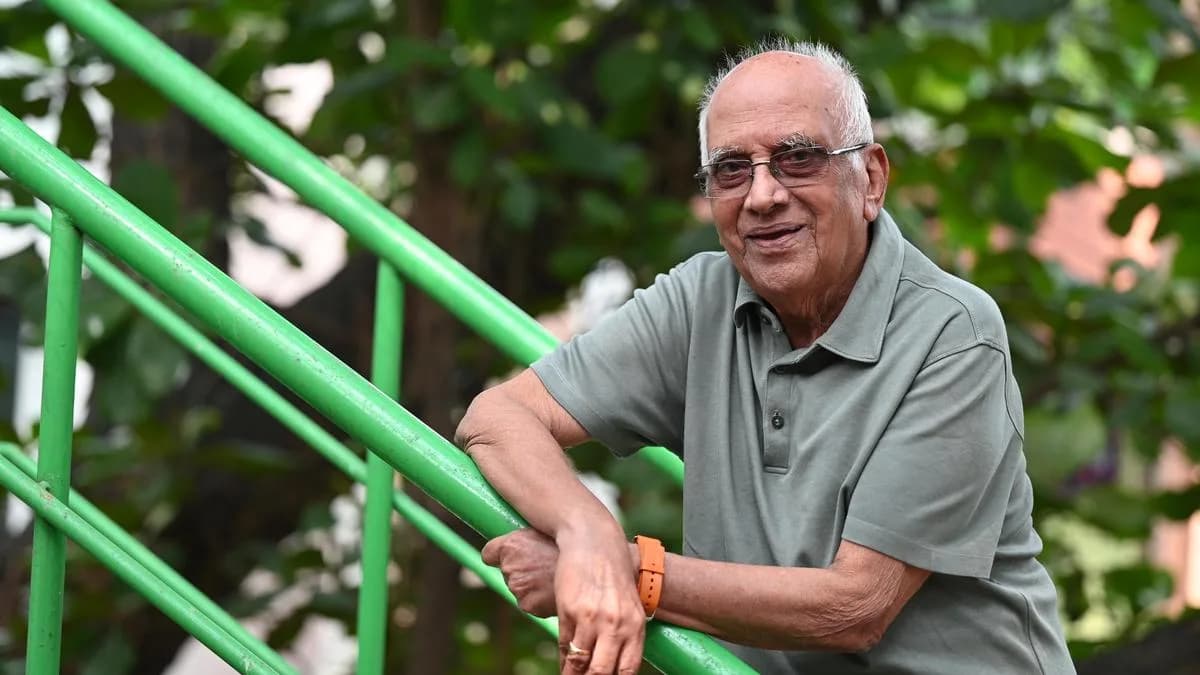
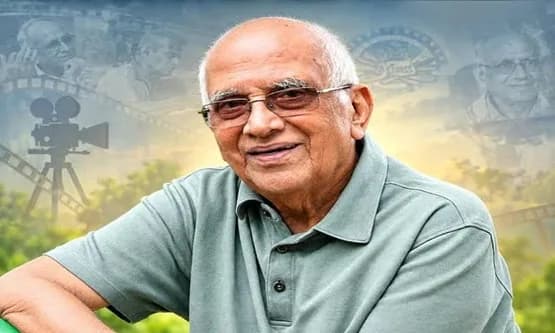
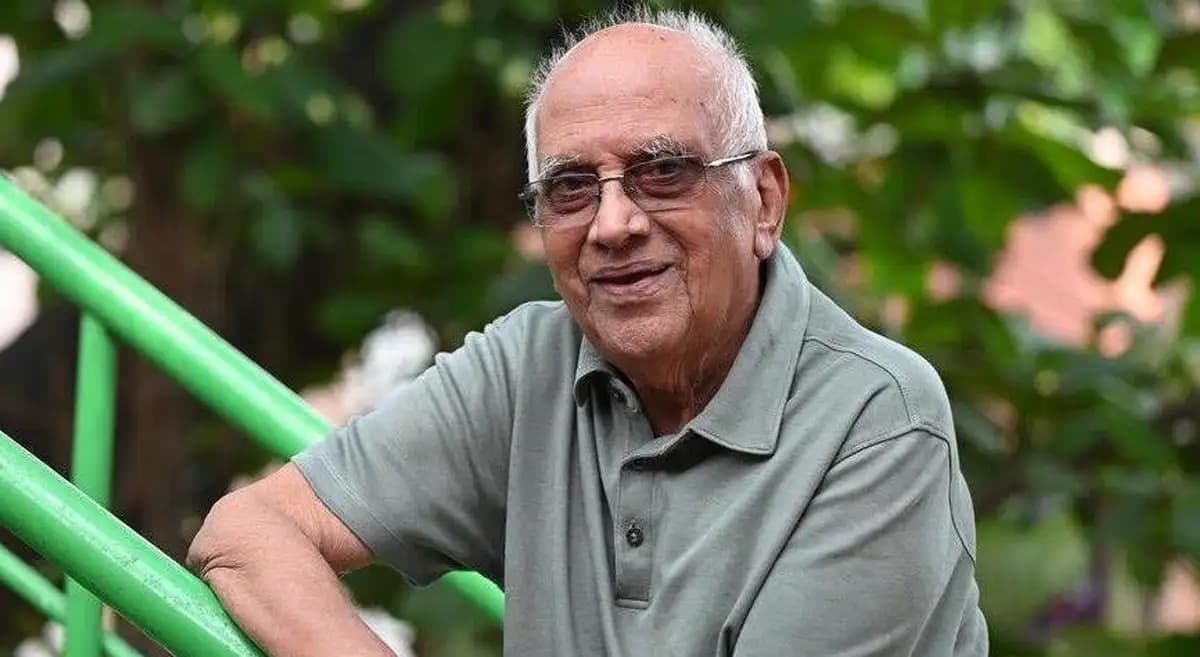
Singeetham Srinivasa Rao, a filmmaker whose career spanned seven decades and defied genre, died on October 3 at the age of 95. He was one of Indian cinema’s most inventive voices — director, screenwriter, producer, composer, and actor, whose work crossed languages and boundaries with fearless originality. His journey began as an assistant to K V Reddy on the landmark 1957 film Mayabazar, before making his debut as a director with Neeti Nijayiti in 1972.
Over the years, he helmed around sixty films across Telugu, Tamil, Kannada, Malayalam, Hindi, and English, leaving behind a body of work that remains both influential and ahead of its time. Among his most celebrated films are Pushpaka Vimana (1987), a critically acclaimed silent black comedy starring Kamal Haasan with no spoken dialogue, and Aditya 369 (1991), widely credited as Telugu cinema’s first science-fiction adventure and time-travel epic.
Other standout works include Apoorva Sagodharargal (1989), a Tamil blockbuster featuring Kamal Haasan in a triple role, and Bhairava Dweepam (1994), a socio-fantasy folklore classic that set a benchmark in Telugu fantasy cinema. He also directed Mayuri (1984), a biographical drama based on the life of dancer Sudha Chandran. Even in his final years, Singeethamji remained creatively restless.
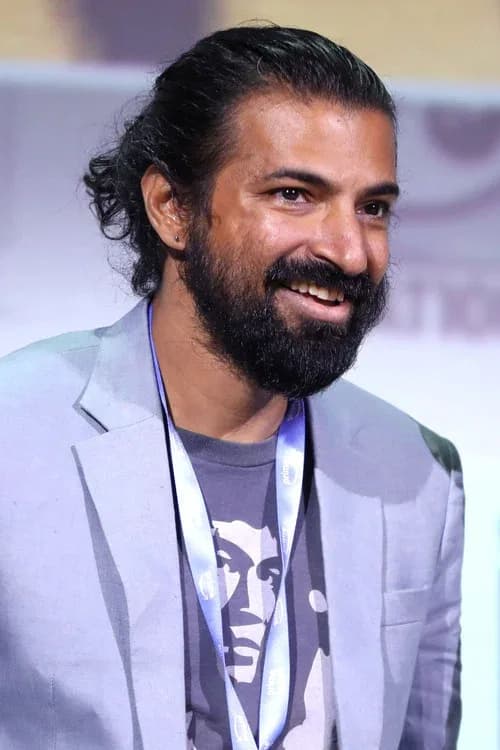
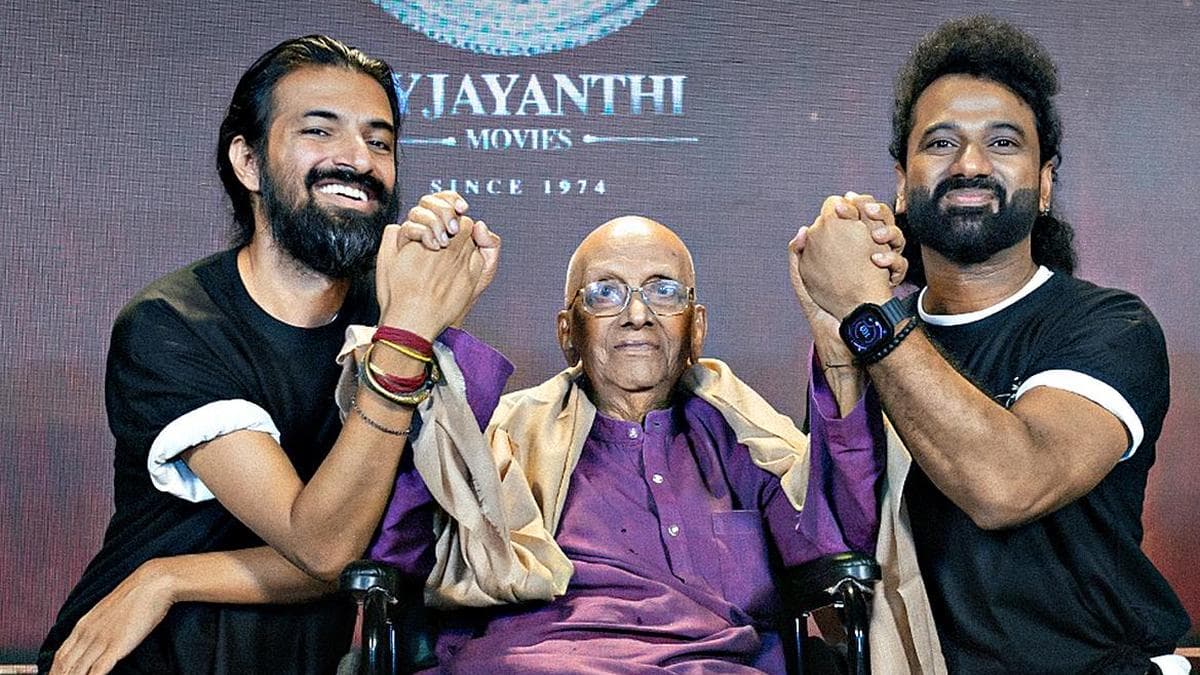
At 94, he returned to the director’s chair for Sing Geetham (2026), a musical fantasy film produced by Nag Ashwin. The film is built on a singular concept: every line of dialogue is delivered through song. There are no spoken words. Only melody carrying narrative.
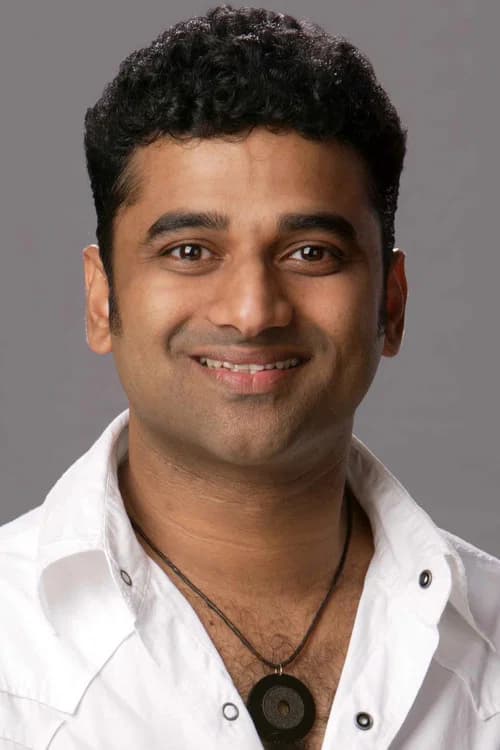
Devi Sri Prasad, the music composer who worked on the film, described it as one of the most demanding projects of his career. ‘Generally, in any movie we make five, six, or even ten songs,’ he said. ‘But this one? The entire dialogue had to be sung.’ DSP, who grew up watching Broadway and West End musicals, called the experience a lifelong dream.
He recalled Singeethamji’s steady faith in him: ‘He used to tell everyone that Devi is the guy who knows how to get this across to people because he makes it so hummable and singable and easy, catchy.’ At the film’s launch, the maestro repeated the sentiment: ‘Who else can compose for this film other than DSP?’ The film was completed in 2026. No release date has been announced.
But the silence around it feels like a pause in history. A final experiment left unplayed. A man who spent his life pushing cinematic limits, time travel, silence, folklore, musical storytelling. Ended not with a bow, but with a note.
Whether Sing Geetham will ever reach a screen remains unknown. But the idea? That’s already immortal.
Be the first to comment
Join the argument. No password, just your email or a passkey.