Quentin Tarantino may not be behind the camera, but his fingerprints are all over The Further Mis-Adventures of Cliff Booth. From voice cameos to Red Apple Cigarettes and Big Kahuna Burgers, the film is a quiet, deliberate expansion of the world he’s been building for decades.
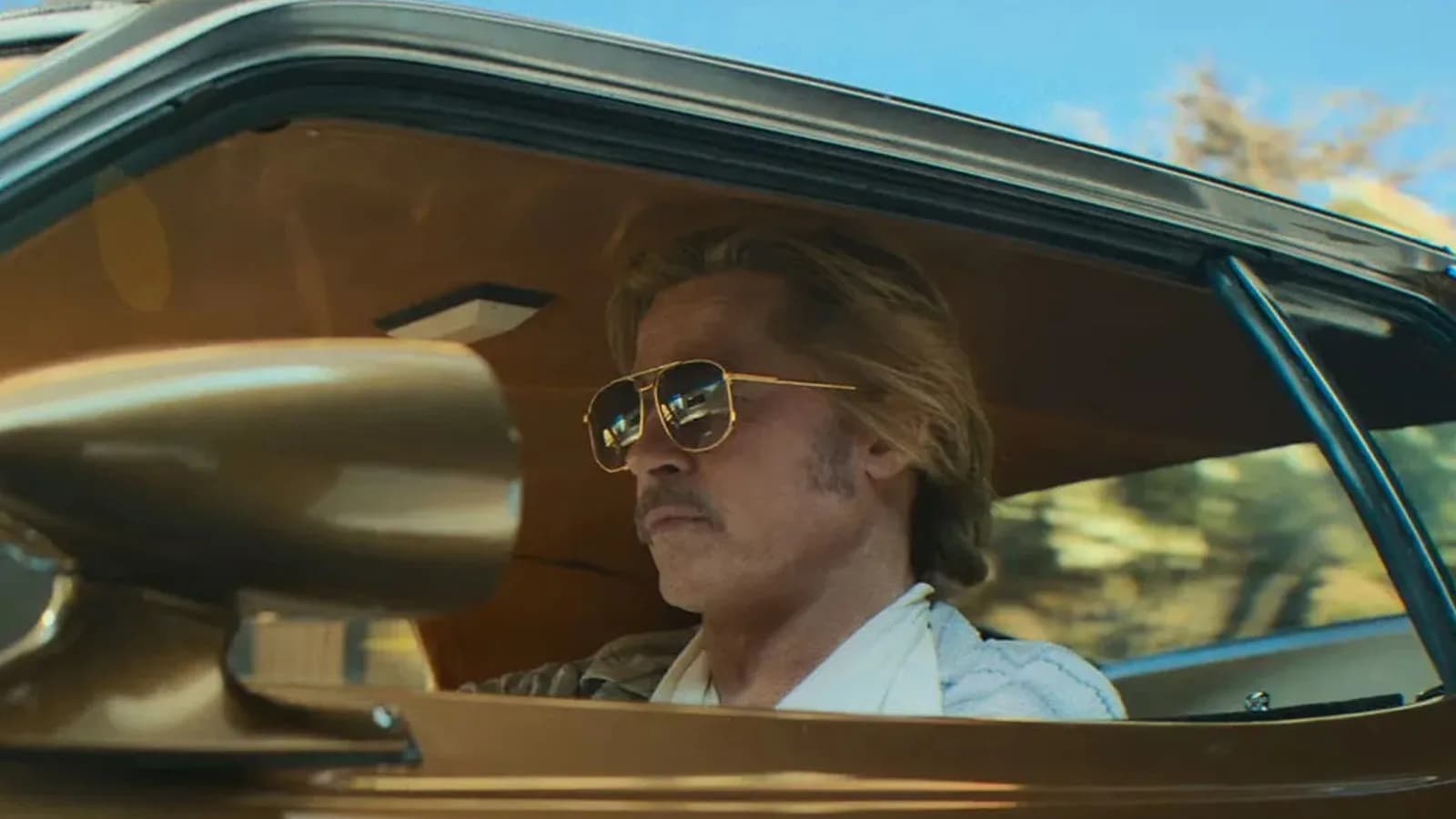
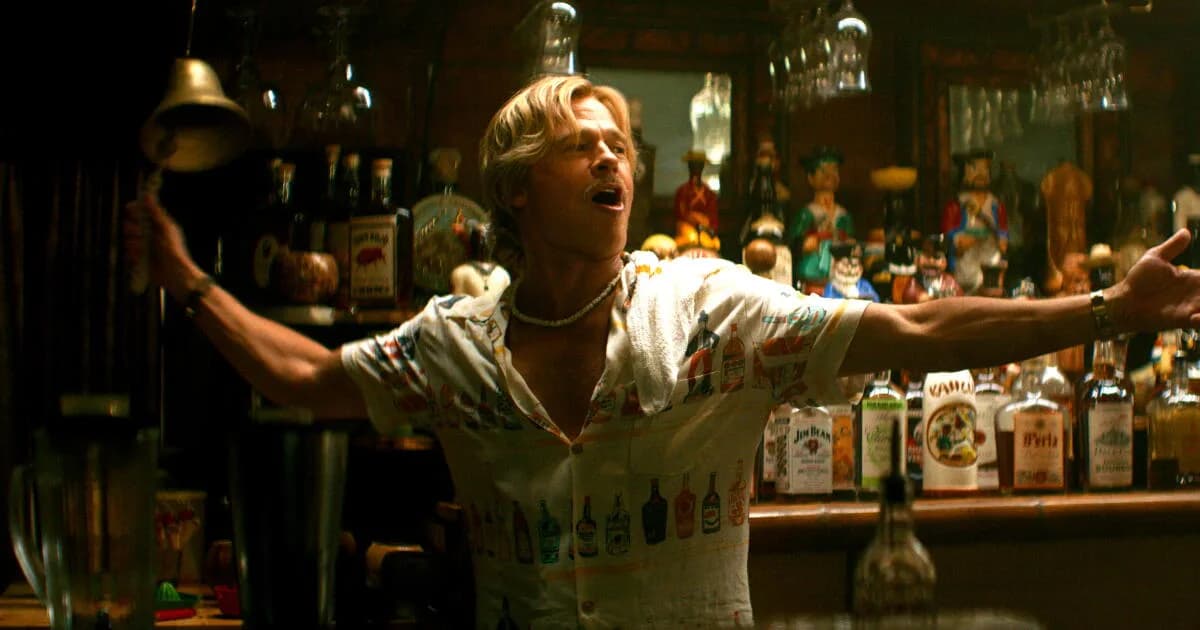
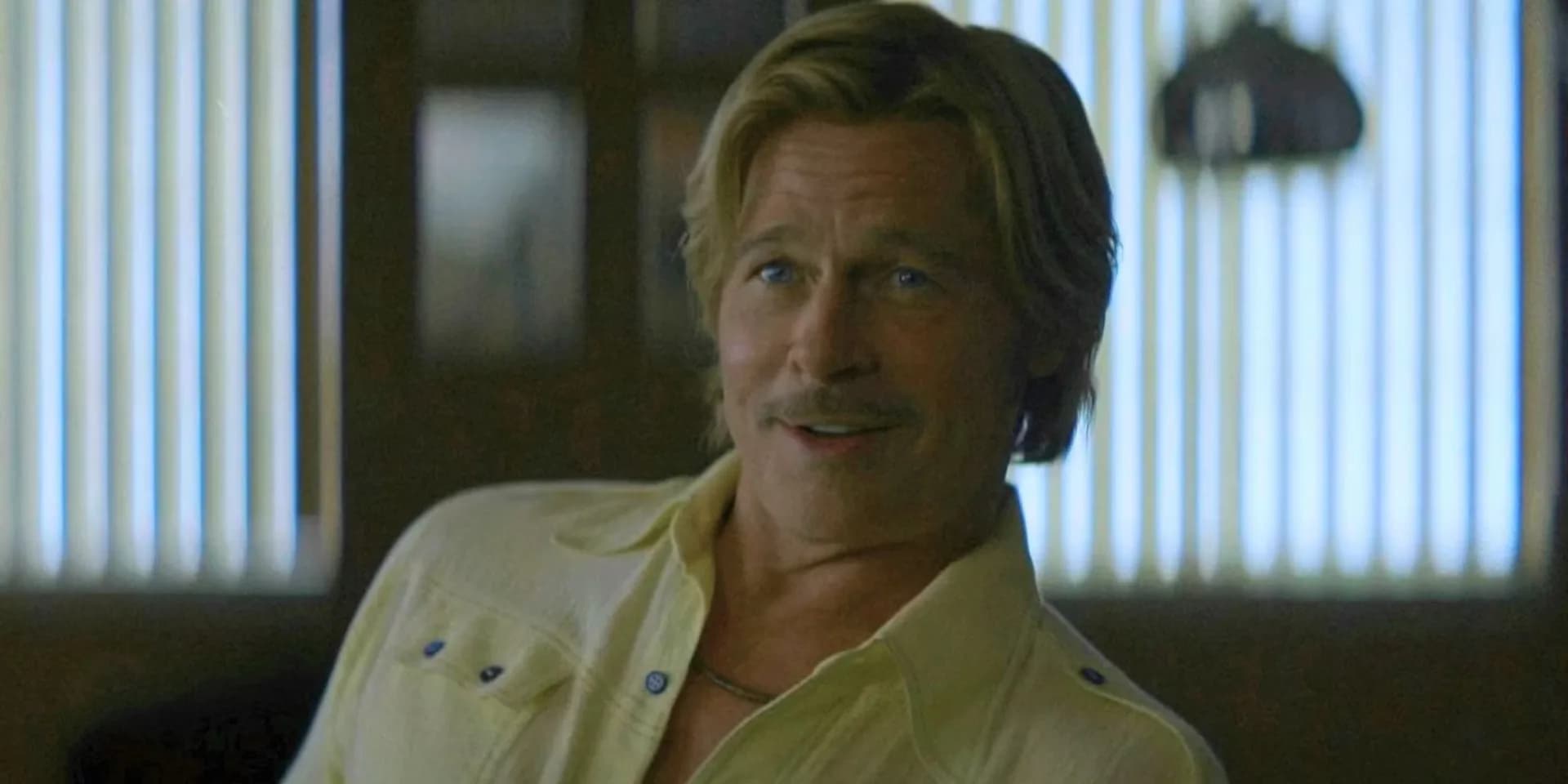
Brad Pitt reprises the role of Cliff Booth in The Further Mis-Adventures of Cliff Booth, a film set in 1977 and written by Quentin Tarantino — but not directed by him. Instead, David Fincher took the helm, marking the end of his exclusive deal with Netflix. The shift in creative control doesn’t mean Tarantino has stepped away.
His presence lingers in every frame, not through direction, but through voice, detail, and continuity. Early in the film, a montage traces the career of Charlie Peters, a volatile TV star played by Scott Caan. That sequence isn’t just visual, it’s narrated by Tarantino himself, using his signature cadence and dry wit.
It’s a callback to Once Upon a Time in Hollywood, where Tarantino also provided narration, and to The Hateful Eight, where he voiced a crucial scene. He’s done this before: from the answering machine in Jackie Brown to the Australian-accented cameo in Django Unchained, Tarantino has long used voice cameos as a way to stay embedded in his own stories.
This time, it’s not just about presence, it’s about legacy. The film keeps alive two of Tarantino’s most enduring fictional trademarks. Big Kahuna Burger appears when Cliff picks up food for his father, Gus, played by Peter Weller. Fans will recall the burger was central to Pulp Fiction, where Samuel L. Jackson’s Jules takes a bite while threatening criminals.
Now, it’s back, not as a joke, but as a cultural artifact. Even more telling is the return of Red Apple Cigarettes. Mentioned across nearly every Tarantino film, they were part of the world-building in Once Upon a Time in Hollywood, where Leonardo DiCaprio’s Rick Dalton filmed a commercial. In this new film, Cliff watches a fresh ad on television.
And who stars in it? Sharon Tate, portrayed by Margot Robbie. The implication is clear: the alternate history established in the earlier film continues. Tate survived.
She’s still acting. The Manson murders never happened. The film doesn’t state this outright. But the details do.
It’s not just a sequel. It’s a continuation of a universe where fiction reshapes reality. And Tarantino, even without a director’s chair, remains its architect. The movie opens Friday.
The real question now isn’t whether it’s good. It’s what comes next, what other brands, what other lives, what other lies he might resurrect.
Be the first to comment
Join the argument. No password, just your email or a passkey.