The weekend’s box office was a quiet one, but not for lack of trying. Universal’s Other Mommy took the top spot with a $13 million opening day — impressive on paper, but hollow in spirit. The film, budgeted at $19 million, is now projected to gross just $28 million. That’s barely enough to break even, and the cracks are showing fast: a D+ CinemaScore, 20% on Rotten Tomatoes, and a 47% audience score. It’s the lowest CinemaScore since Megalopolis flopped in 2024. And yet, it’s still ahead of Sony’s The Social Reckoning, which limped to $2.1 million on Friday from 2,606 screens. Its weekend total? A meagre $6 million. Less than a third of what The Social Network earned in 2010, adjusted or not. That’s not just a bad sign. It’s a warning. Two films, two very different stories, both failing to land with audiences. One is a thriller about a woman who might not be who she claims to be. The other is Aaron Sorkin’s latest attempt to grapple with the real-world fallout of Facebook’s role in the Jan. 6 Capitol riots. Both were made with care, ambition, and serious budgets. $19 million and $30 million respectively. But neither found its audience. And this isn’t an isolated case. Digger, another recent release, also sank without a trace. So did She Said. The pattern is clear: when movies try to reflect the present, especially the messy, uncomfortable parts. People stay away. Not because they’re bad. Because they’re too close to home. Sony can afford the loss. Spider-Man: Brand New Day is doing well. But that doesn’t change the fact that the theatrical window is under siege. Not by streaming. By indifference. So what happens next? Other Mommy might limp past $20 million by Monday. The Social Reckoning won’t. And if the trend holds, studios will keep asking the same question: why spend big on stories that feel like headlines instead of escapes? The answer may not be in the numbers. It’s in the silence after the lights go down.
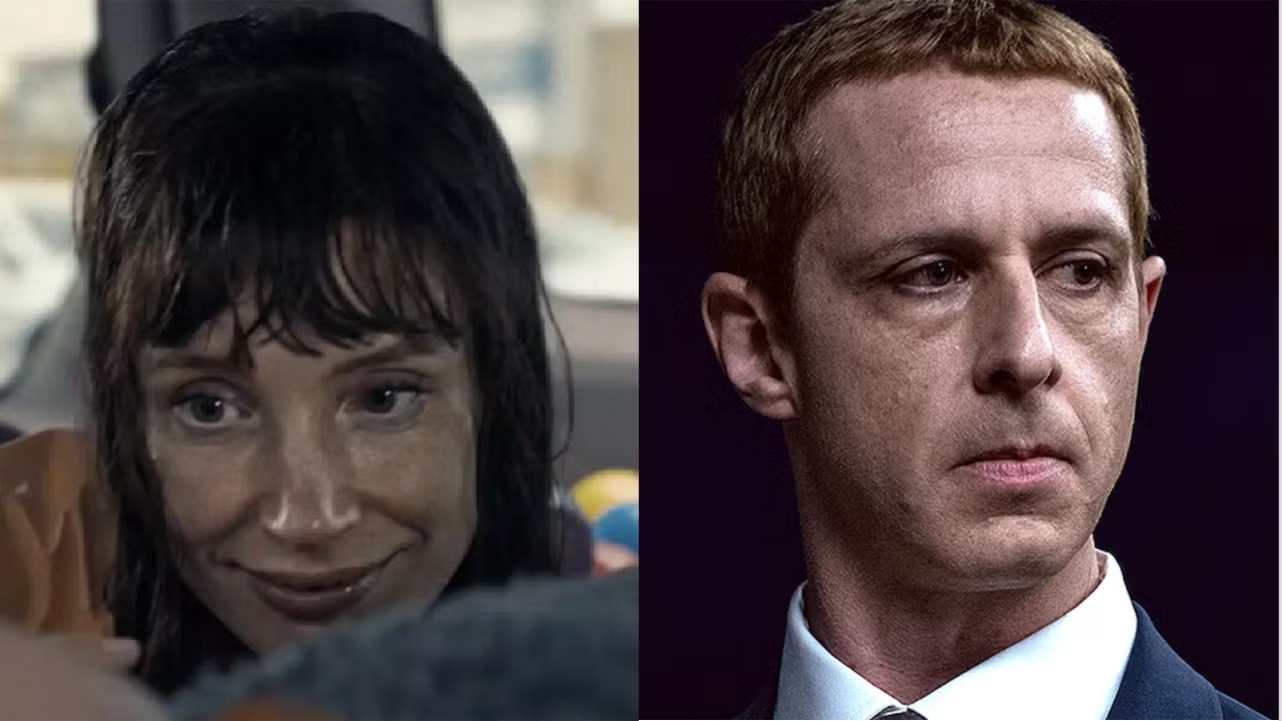 Photo via TheWrap
The Box Office Is Done With Reality
Two new releases, two weak openings. The box office isn't just slowing — it's rejecting stories about today.
Live site hype
around 3 reading right now · 436 today

About the film
The Social Reckoning
9 October 2026 · in theatres · cast, trailer and release details
Reported from
This article was written by the CutMirchi desk from the reporting above. Facts are attributed to their original publishers.
Read next
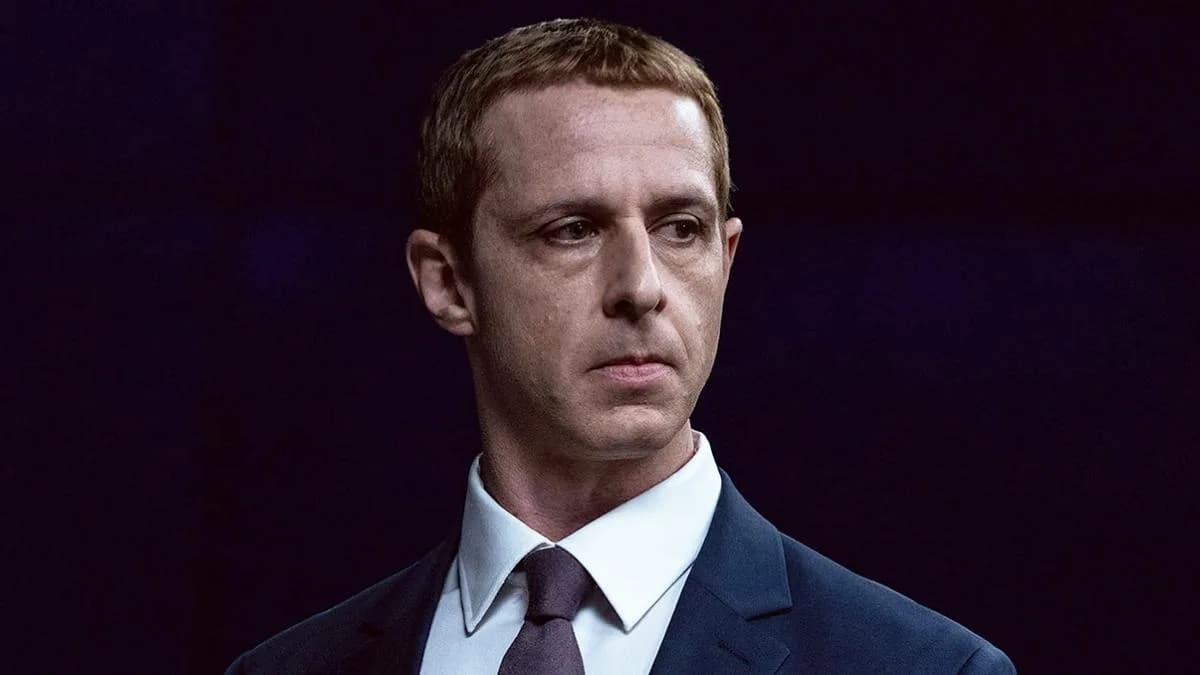
The Social Reckoning Opens With Survival Mode On
The Social Reckoning opens today with a $30M budget and $75M break-even target — a sequel built for survival, not spectacle.

Other Mommy Trailer Hype Fuels $20 Million Opening Forecast
Jessica Chastain's horror film Other Mommy is projected to open above $20 million across 3,200 North American screens on October 9, outpacing Sony's The Social Network follow-up The Social Reckoning, per early trade estimates.
Jessica Chastain Horror Film Tracks Near $24 Million Opening
Early tracking has Jessica Chastain's doppelganger horror film Other Mommy opening around $24 million, while Sony's Social Reckoning, a Social Network follow-up on Mark Zuckerberg, trails badly at the box office.
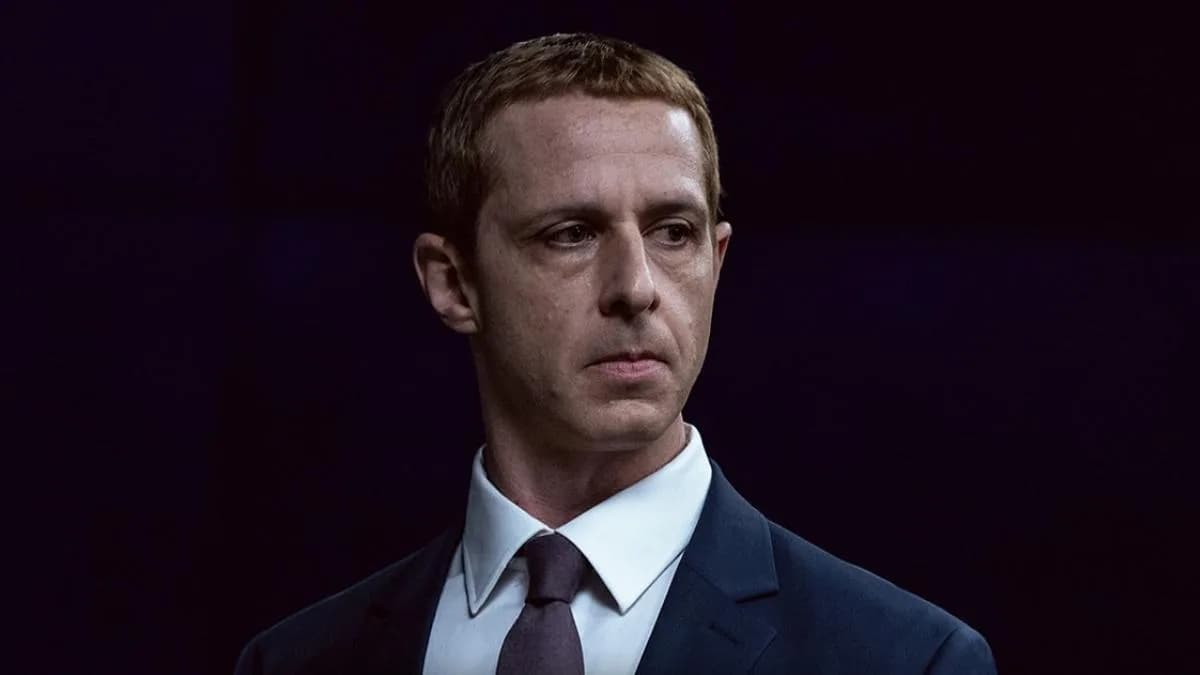
The Social Reckoning Falters: Under $1M Preview Take, Eyes $6M Opening
The Social Reckoning opened with a whimper. Just $650k from Thursday previews in North America—less than a million, and barely enough to justify the $7m opening weekend it once seemed poised for.
Be the first to comment
Join the argument. No password, just your email or a passkey.