Quentin Tarantino’s long-awaited return to the screen isn’t a full directorial effort—but it’s still packed with cameos, callbacks, and a surprise twist that has fans buzzing.
It’s not a Tarantino film. Not really. But it’s definitely his world. The Further Mis-Adventures of Cliff Booth lands in IMAX this week before hitting Netflix on December 23 — a holiday-season release that feels less like a movie and more like a reunion tour for the 1969 Hollywood dream machine.
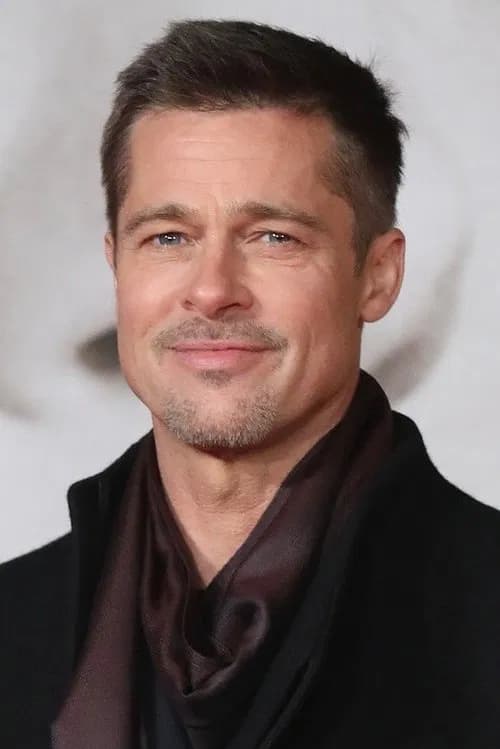
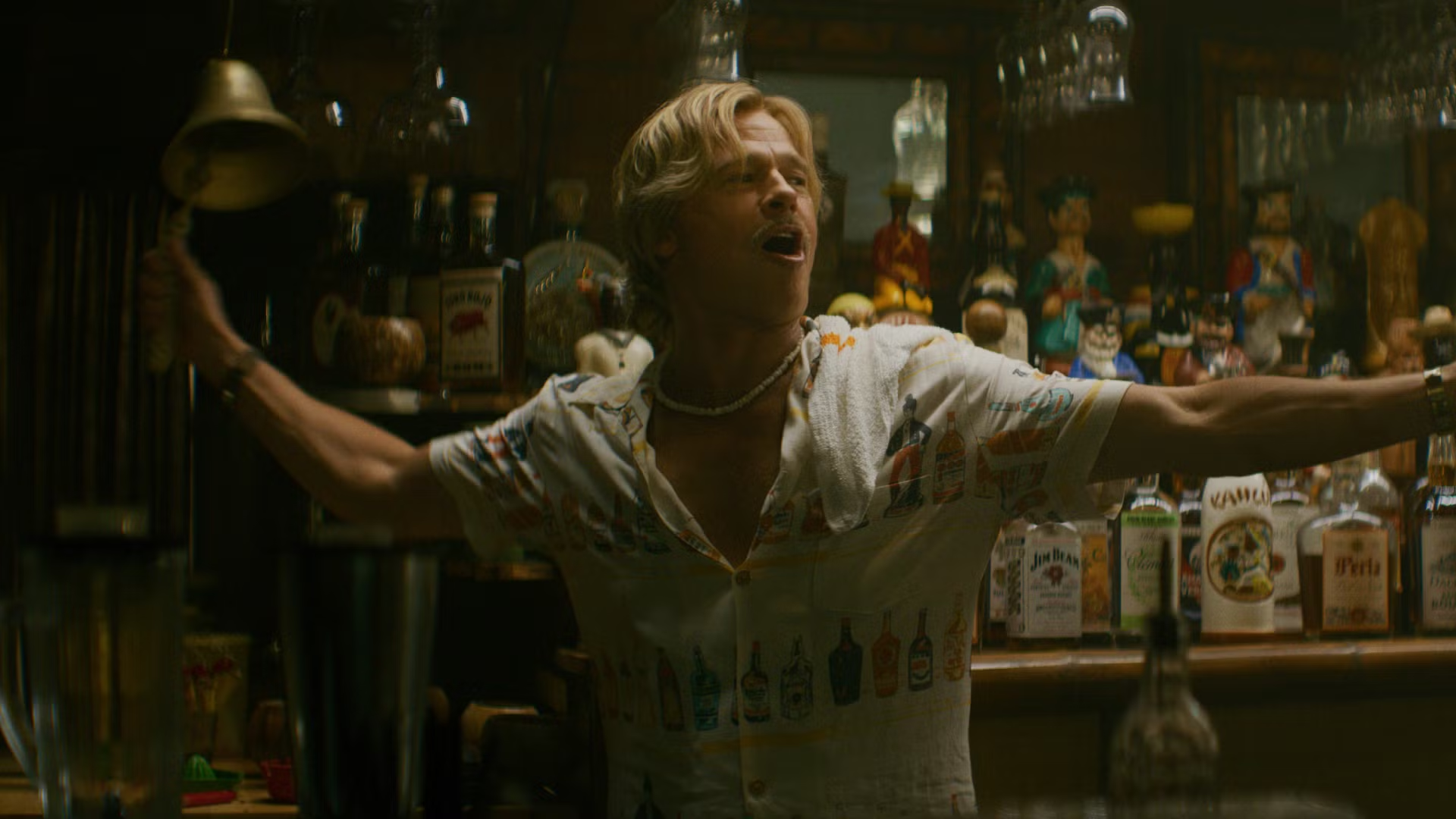
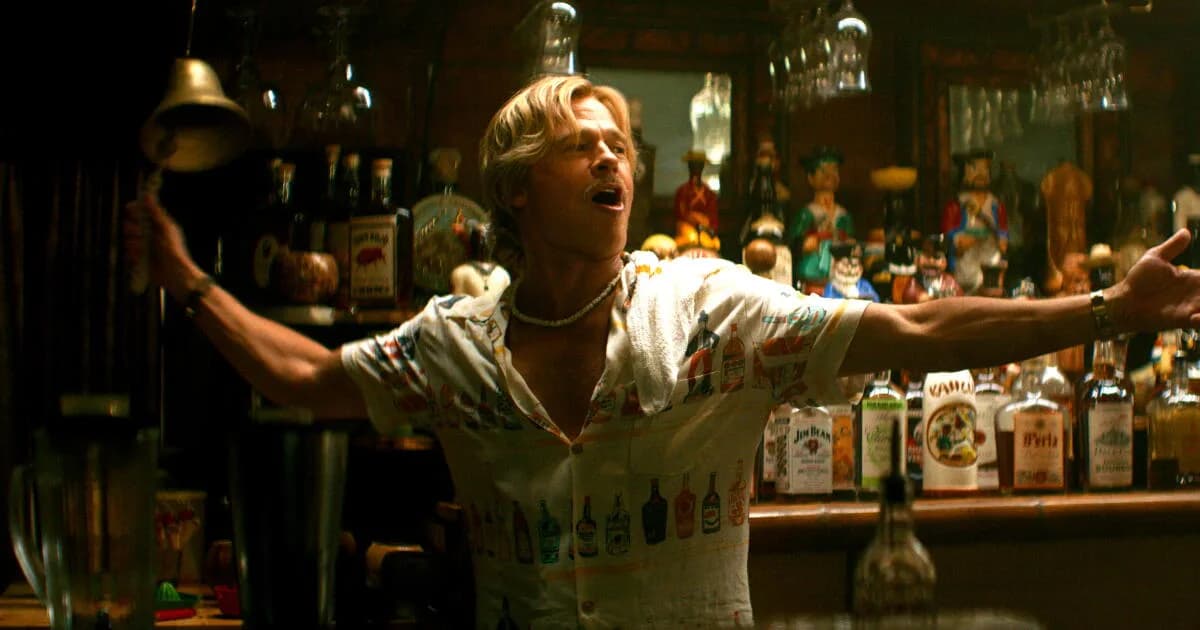
Brad Pitt is back as Cliff Booth, but this time he’s not just surviving. He’s trying to fix things. Or at least clean up after them. His latest job?
Helping a drunken TV star named Charlie Peters (Scott Caan) avoid a murder charge after he asks Filipino gangsters to kill his wife (Carla Gugino). It’s messy. It’s absurd. It’s exactly what you’d expect from a Tarantino story, even if he’s not behind the camera.
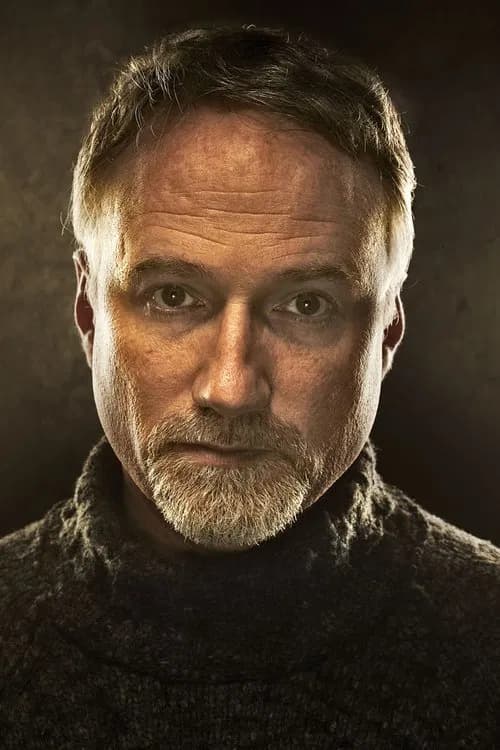
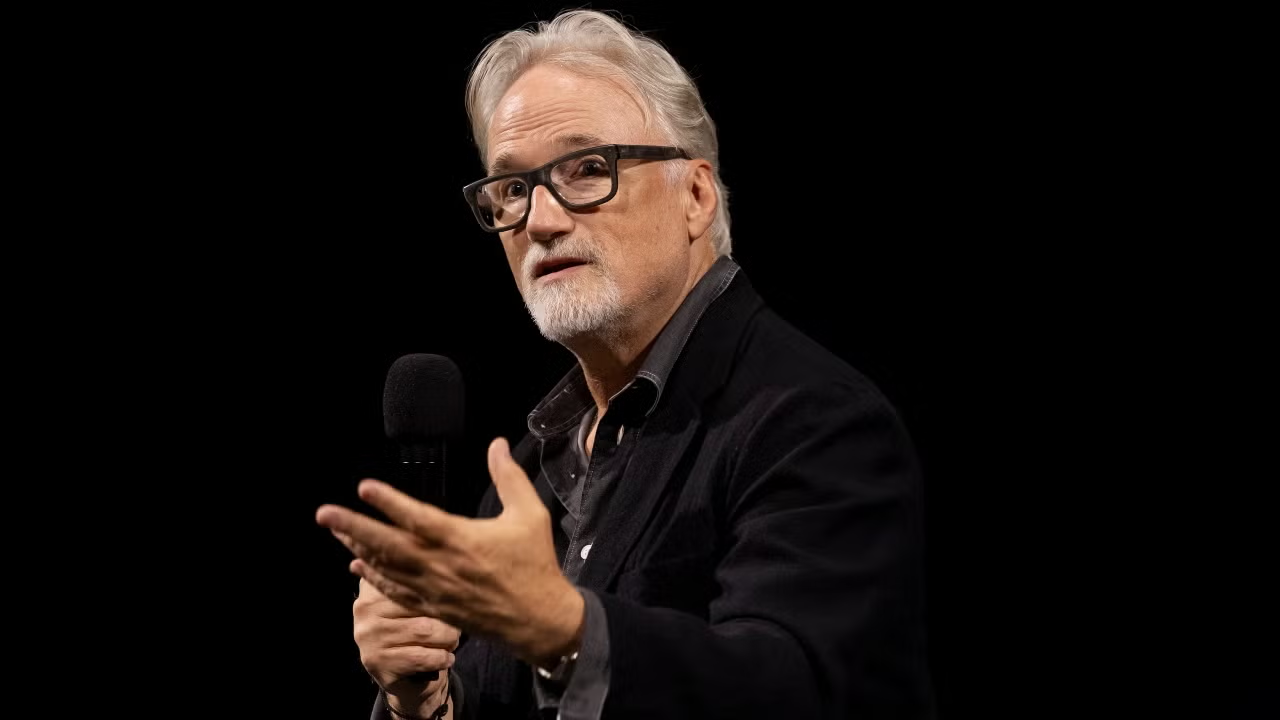
David Fincher takes the helm, no surprise there, given his history with Pitt, and delivers a sleek, tense, slightly surreal take on a man who’s seen too much, done too little, and still hasn’t figured out how to stop being useful. The film runs two hours and twenty-three minutes. That’s a lot of room for side plots.
There’s Booth’s strained relationship with his father. There’s his quiet romance with agent Karen (Elizabeth Debicki), who might be the only person who sees him clearly. And then there’s the real heart of the film: Sharon Tate. Margot Robbie returns, not as a victim, but as a survivor.
In this alternate timeline, she didn’t die. She kept acting. She starred in Red Apple Cigarettes ads. She’s famous.
She’s happy. And when Booth watches her on screen, he smiles. A small moment. A big one.
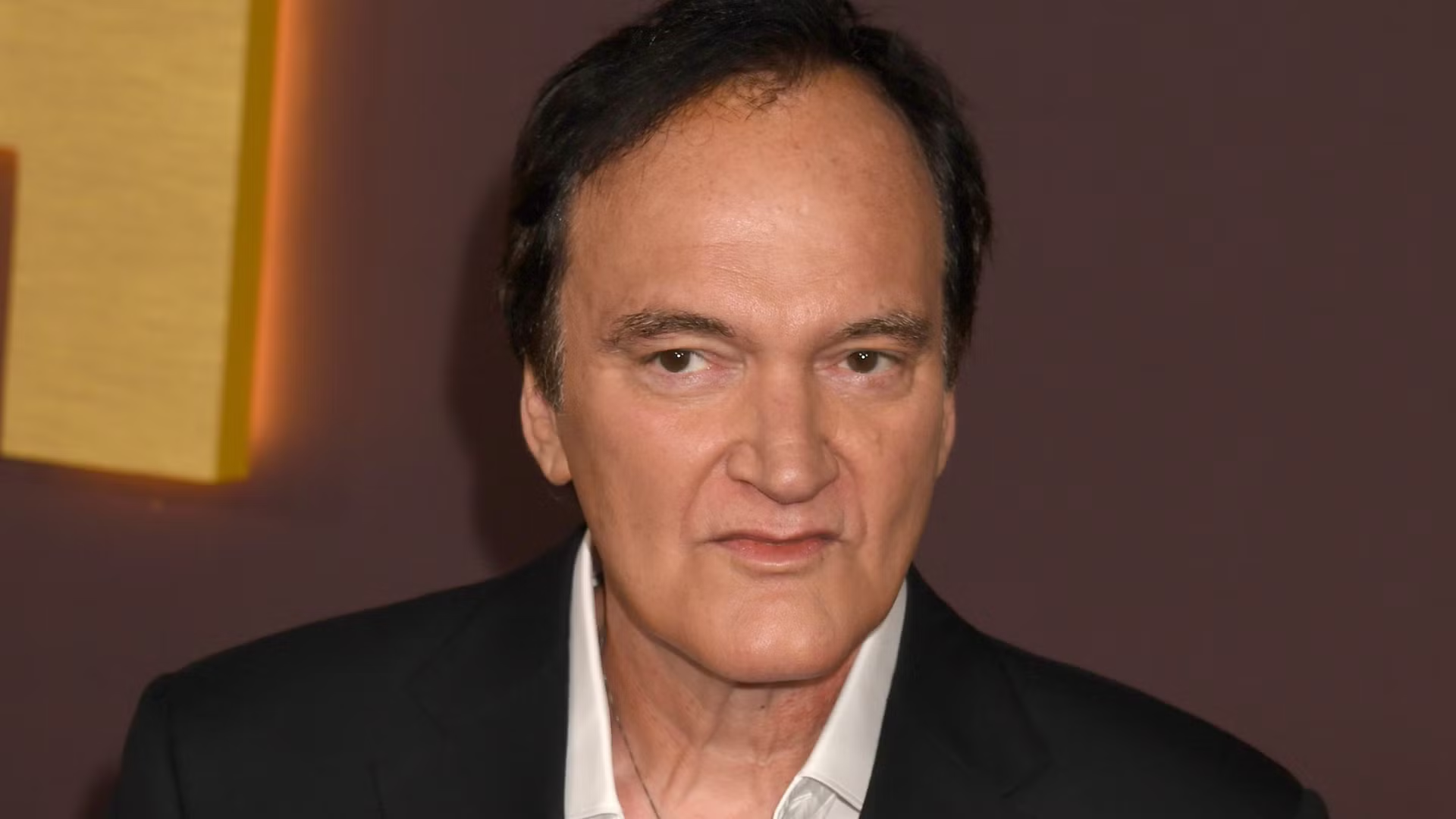
The kind that makes the whole film feel like a love letter to what could’ve been. But the biggest shock? Quentin Tarantino himself. Not directing.
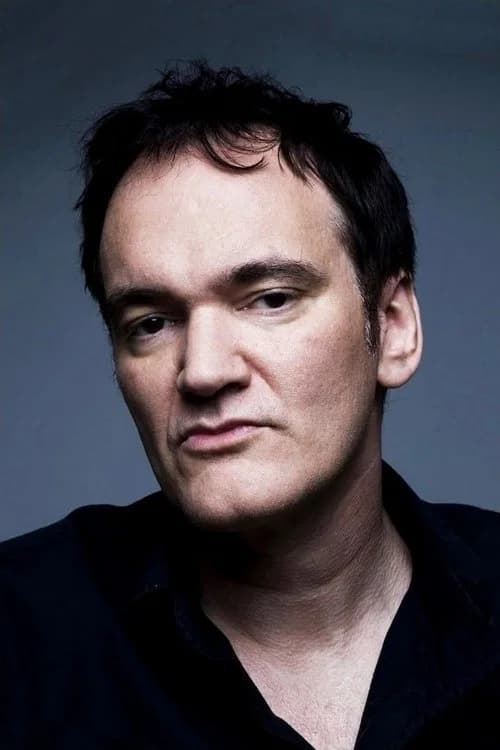
Not even acting. Just narrating. In a mid-film monologue, he explains the backstory of Charlie Peters, the ‘tagger’ who plays fast and loose with stunt doubles. His voice, dry and precise, cuts through the exposition like a scalpel.
It’s not a cameo. It’s a signature. And it’s the closest thing we’ve had to Tarantino’s presence since his last film seven years ago. Timothy Olyphant returns too, this time as a Nazi officer in a fictional war series.
He argues with Scott Caan’s American soldier over whether a gun should be pointed at someone’s head. Then Caan pulls the trigger. Real bullet. Real tension.
One scene. One performance. Olyphant steals it. The film doesn’t explain why Tarantino stepped back from directing.
No official word. But the collaboration speaks volumes: Fincher handles the visuals, the pacing, the dread. Tarantino handles the soul, the nostalgia, the irony, the way stories loop back on themselves. This isn’t a sequel.
It’s a continuation. A ghost in the machine. A version of Hollywood that never ended. Now streaming on Netflix.
On December 23. The holiday season just got darker. And brighter. And weirder.
And better. What happens next? That’s the question. The film ends with Booth walking down a sunlit street, a cigarette in hand, no destination.
Just motion. Just memory. And somewhere, a new story begins.

Be the first to comment
Join the argument. No password, just your email or a passkey.