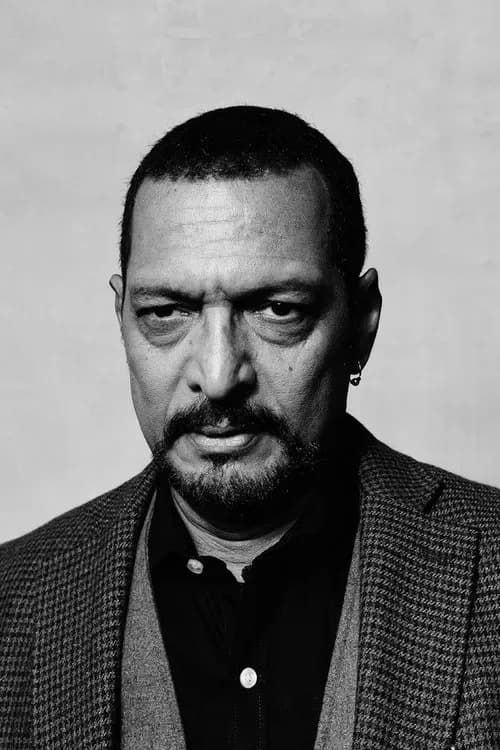
Nana Patekar is dead. The news hit the internet like a dropped mic at a silent concert — sudden, absolute, and impossible to ignore. No official statement yet, but the tributes are already flooding in: fans, colleagues, even strangers on Twitter calling him 'the last real actor' in Indian cinema. He was 75. Cardiac arrest. Goa. The details are still sketchy, but the impact isn’t. A man who once said he’d rather be remembered for his roles than his awards has now become one himself, a legend in the flesh, now gone from it. And with him, a certain kind of screen presence vanishes too. Not just an actor. A force. A storm in a suit. Now, silence. But not before he left behind a trail of box office numbers that still burn bright. So what did he actually make? Let’s cut through the grief and look at the receipts. Tirangaa (1993): ₹3.25 crore budget. ₹6.75 crore net. 107% ROI. A big hit. Not a blockbuster, but a turning point. Krantiveer (1994): ₹2.25 crore. ₹9.36 crore. 316% ROI. 1.62 crore footfalls. This wasn’t just a film. It was a movement. A myth. The movie that made people believe in heroes again. Agni Sakshi (1996): ₹4.75 crore. ₹19.52 crore. 310% ROI. 1.97 crore footfalls. A psychological thriller that didn’t need blood to scare you. It scared you with truth. Welcome (2007): ₹48 crore. ₹70.15 crore. 46% ROI. 1.67 crore footfalls. Not the highest return, but the most visible. The one where he played the dad who out-acted everyone else in the room. Still the meme king. Raajneeti (2010): ₹61 crore. ₹92.38 crore. 51% ROI. 1.54 crore footfalls. One of the costliest films of his career. And yet, it worked. Because he was there. His voice. His glare. His quiet fury. Natsamrat (2016): ₹7 crore. ₹42 crore. 500% ROI. The final act. The one that broke hearts and bank accounts both. A Marathi film that became a national phenomenon. Not because of scale. Because of soul. These aren’t just numbers. They’re proof. Proof that he could carry a film on his shoulders, no matter the genre, the budget, or the year. He wasn’t chasing trends. He was making them. And now? The industry breathes differently. The next generation will have to learn how to be loud without shouting. How to be powerful without being flashy. How to be real when the world demands fake. The lights go down. The screen goes black. But the legacy? That’s still playing.
 Photo via Koimoi - Box Office
The Numbers Don’t Lie: Nana Patekar Was a Box Office Force Before He Was a Legend
Nana Patekar's death triggers a reckoning over his cinematic legacy — not just as a performer, but as a financial force. His box office hits, from Krantiveer to Natsamrat, reveal a career defined by high returns and cultural weight. The numbers don’t lie. Neither does the silence after his passing.
In this story
Live site hype
around 2 reading right now · 125 today
Reported from
This article was written by the CutMirchi desk from the reporting above. Facts are attributed to their original publishers.
Read next
Nana Patekar Dies at 75 After Suspected Cardiac Arrest in Goa: His Life, Films and Awards
Nana Patekar, three-time National Award winner and Padma Shri, has died at 75 in Goa after a suspected cardiac arrest. A look at how he died and the career that made him one of Indian cinema’s most distinctive actors.

Doraemon: Castle of the Undersea Devil crosses Rs 12 crore, eyes Rs 14 crore by Friday
The anime film earned Rs 1.25 crore on Day 6 — a 30% dip from the previous day — and is on track to close its first week around Rs 14 crore.

Premada Oorali Box Office Collection Crosses Rs 28 Crore In 13 Days
Premada Oorali has grossed Rs 28 crore in 13 days at the Kannada box office, per Pinkvilla, after opening to under Rs 10 lakh and building word of mouth through its second week.

Maddock Shifts Shakti Shalini Release To Dodge Shah Rukh Khan's King
Maddock Films is reportedly moving Shakti Shalini out of its December 2026 slot to avoid clashing with Shah Rukh Khan's King, eyeing a March 2027 release instead, per trade sources.
Be the first to comment
Join the argument. No password, just your email or a passkey.