Krampus doesn’t arrive with a roar. It comes when a child’s letter to Santa gets torn up in despair — real, not performative. That moment, raw and unguarded, is what wakes it. The creature isn’t summoned by evil intent. It answers a cry that’s too honest for the world to handle. What follows isn’t just horror, it’s a holiday movie wearing a terrifying costume. The family boards up windows in their own living room while gingerbread abominations crawl through floorboards and something with brass cloven hooves thuds across the snow-covered roof. Every step vibrates the timber beams from inside. The practical effects. From animatronic horrors to porcelain masks and the jack-in-the-box eel, carry a grotesque physical weight that genuinely unsettles. Krampus earns its place on Collider’s list of the six best monsters in fantasy horror movies not for spectacle, but for how it turns warmth into weapon. The myth is treated with full mythic seriousness, then given a darkly devastating sense of humor. It’s not the monster that’s the joke. It’s the idea that joy can be so easily twisted into dread. The list also includes Pumpkinhead, summoned not out of rage, but out of love. The love of a father (Lance Henriksen) so destroyed by his son’s death that he digs a disfigured corpse from a cursed pumpkin patch in the rain and hands a witch his soul to animate it. The true horror starts there. The monster’s terrifying physical presence completely carries the film. Every kill it executes miles away sends a psychic shockwave back to Ed Harley. He convulses in the mud, clutches his temples, blood trickling from his nose. The real horror? How much Ed deserves it. The creature is a late-eighties creature-fabrication high-water mark that modern CGI still hasn’t surpassed. Coraline’s Other Mother is another kind of trap. She starts with dinner, perfect dinner. The table heaped with food, colors oversaturated, lights warm in a way Coraline’s real life never quite is. The Other Mother (Teri Hatcher) is everything a neglected kid’s imagination orders: attentive, inventive, deliriously domestic. But when she places a gift box on the table, the lid opens to reveal black button eyes and a needle. The stop-motion animation in Coraline does something digital filmmaking cannot capture. The faint, eerie wrongness of her joints, the razor-sharp click of needle-thin fingers tapping porcelain, the way her warm smile stays fixed a half-second too long. When she unfolds into the spindly predator underneath the illusion, it happens instantly. And as a heartbreaking result, Coraline’s instinct to trust her makes the whole thing ten times worse. That’s the trap. The warmth was always the weapon. The Ritual earns its monster by making sure you don’t deserve to survive it. Luke (Rafe Spall) and his friends are already broken before they enter the Swedish forest. They carry the unspoken rot of survivor’s guilt and petty cowardice after watching a friend die during a robbery. So The Jötunn simply finds what’s already there. Human arms emerging from an elk-headed torso, cradling a victim’s head like an unwilling disciple. But what pushes this thing over the edge is how the Moder actively weaponizes trauma. It reaches into the tree line and feeds their worst memories back to them until Luke wakes sobbing on his knees, fingernails bloody, crouched in the same defensive position he took the night his friend was killed. The monster is the forest. The forest is guilt. You just cannot outrun it. And Pinhead (Doug Bradley), unlike every other supernatural villain before him, doesn’t want to kill. He wants something worse. Instead of acting like a feral, mindless slasher, he is a Lead Cenobite who speaks in perfect, unhurried sentences about pleasure and pain, flesh and philosophy, in an empty room, without raising his voice. The Lament Configuration summons a theologian from the wrong dimension. The setup creates an image that is unequivocally the most formally terrifying in the genre: Kirsty Cotton (Ashley Laurence) trembling with the ornate puzzle box pressed to her chest, eyes wide and dry. Right above her, heavy meat hooks clink from invisible chains. These aren’t just creatures. They’re mirrors. They don’t come from nowhere. They rise from what we carry. What we bury. What we pretend isn’t inside us. And that’s why they stay. Even after the credits roll. Even after you swear you’ll never watch again. The question isn’t whether they’ll haunt your dreams. It’s whether you’ll finally listen.
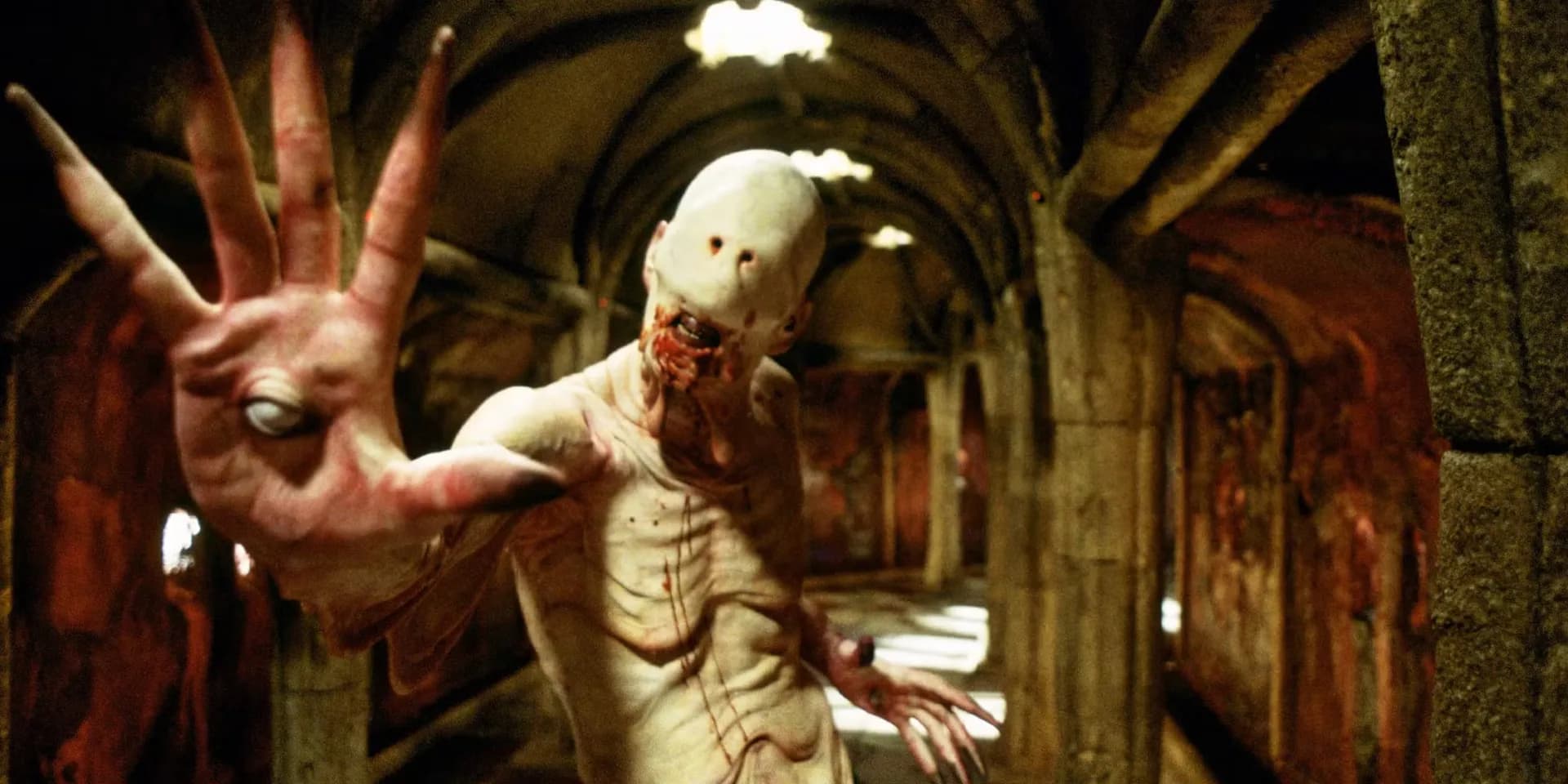 Photo via Collider
The Six Best Fantasy Horror Monsters, Ranked by Their Emotional Weight
The scariest monsters aren’t the ones that crawl out of the dark. They’re the ones that live in the quiet parts of us.
Live site hype
around 2 reading right now · 306 today
Reported from
This article was written by the CutMirchi desk from the reporting above. Facts are attributed to their original publishers.
Read next

The First Five Minutes Are All That Matter: How Horror Films Win Before You Even Know What’s Happening
The first five minutes of a horror film don’t just set the tone—they decide whether you’ll sleep at all.

Why The Texas Chain Saw Massacre Still Haunts Us 50 Years On
The Texas Chain Saw Massacre remains the genre’s most enduring nightmare: not for what it shows, but for what it leaves unsaid.

Zobel Steps Into the Dark With ‘Something Is Killing the Children’ Film
Craig Zobel is directing the live-action film adaptation of the hit horror comic 'Something Is Killing the Children' — and it’s coming from Blumhouse, which means the scares are already set to bite.

Arabella Olivia Clark’s Unicorn Role Is Finally Here: 'Other Mommy' Hits Theatres October 9
The film, directed by Rob Savage and based on Josh Malerman’s novel Incidents Around the House, is being released theatrically under the Blumhouse and Atomic Monster banner, with James Wan producing. Rob Savage, known for films including Host and The Boogeyman, directs a screenplay by Nathan Elston, based on Malerman’s bestselling novel Incidents Around the House. The book itself is told from Bela
Be the first to comment
Join the argument. No password, just your email or a passkey.