The Texas Chain Saw Massacre still hits like a hammer. Not because it’s loud, but because it doesn’t need to be. Fifty years on, Tobe Hooper’s film remains the raw nerve of survival horror — not for its gore, but for the way it turns every breath into a gamble. The Abbott family in A Quiet Place? They’re quiet because they have to be. But in The Texas Chain Saw Massacre, silence isn’t strategy. It’s surrender. The film doesn’t build tension, it lives in it. Every creak, every distant engine, every footstep on gravel is a countdown. And when Leatherface finally appears, he doesn’t roar. He just… moves. That’s what makes it unbearable. That’s what makes it legendary. So why does Screen Rant’s list of the 10 greatest survival horror films include it at all? Because it’s not just about monsters or zombies or foggy towns with tentacled horrors. It’s about the moment you realise: no one is coming. No backup. No rules. Just you, your instincts, and the thing that’s hunting you. The list is full of modern classics. Train to Busan, Green Room, 28 Days Later, each proving that survival horror thrives when the stakes aren’t just life or death, but identity. In Green Room, Patrick Stewart plays a man who doesn’t even need to speak to terrify. In The Mist, faith becomes a weapon. In A Quiet Place, love is a risk. These aren’t stories about heroes. They’re about people who keep moving, even when they don’t know why. But none of them outlast the original. Not because it’s better made, but because it’s simpler. It doesn’t explain the world. It doesn’t give you answers. It just shows you what happens when you walk into a house with no doors. And that’s the real horror. Not the chainsaw. Not the mask. The fact that you’d do the same thing. Walk in. Look around. Think: I’ll be fine. Then the door slams shut.
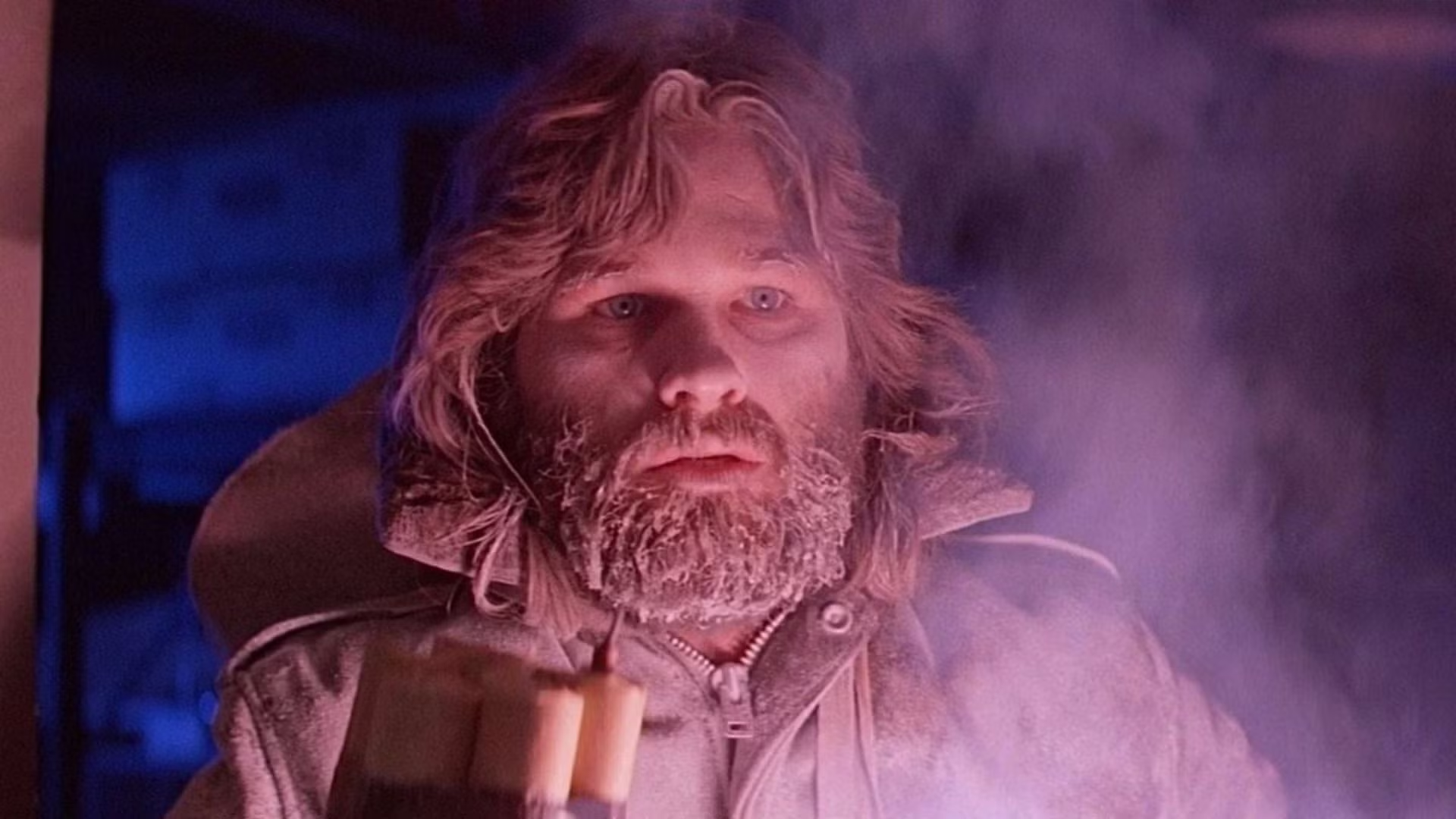 Photo via Screen Rant
Why The Texas Chain Saw Massacre Still Haunts Us 50 Years On
Tobe Hooper’s 1974 classic still holds up as the ultimate survival horror — not because it’s gory, but because it refuses to let you breathe.
Live site hype
around 2 reading right now · 421 today
Reported from
This article was written by the CutMirchi desk from the reporting above. Facts are attributed to their original publishers.
Read next
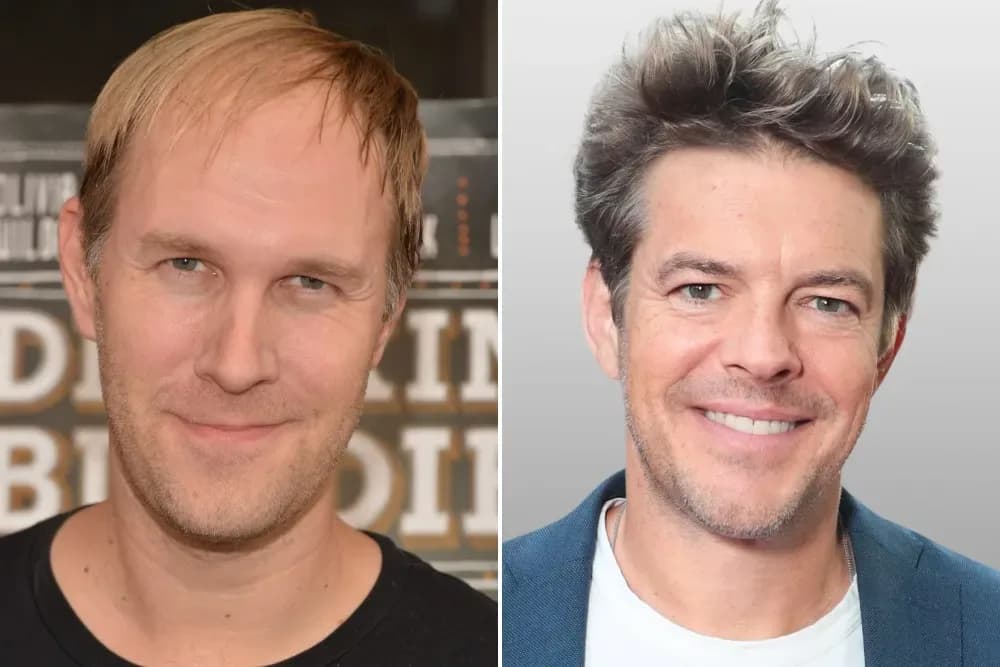
Zobel Steps Into the Dark With ‘Something Is Killing the Children’ Film
Craig Zobel is directing the live-action film adaptation of the hit horror comic 'Something Is Killing the Children' — and it’s coming from Blumhouse, which means the scares are already set to bite.
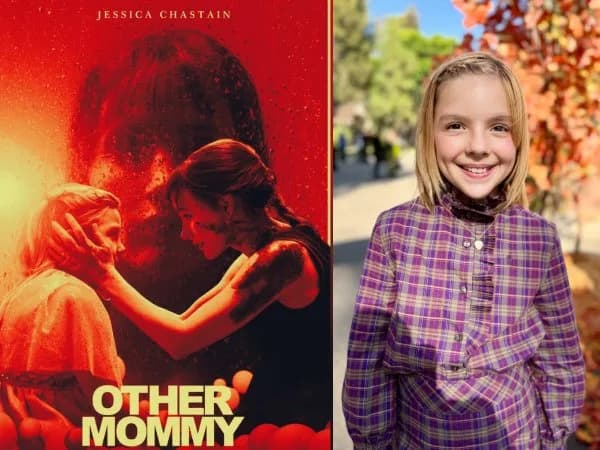
Arabella Olivia Clark’s Unicorn Role Is Finally Here: 'Other Mommy' Hits Theatres October 9
The film, directed by Rob Savage and based on Josh Malerman’s novel Incidents Around the House, is being released theatrically under the Blumhouse and Atomic Monster banner, with James Wan producing. Rob Savage, known for films including Host and The Boogeyman, directs a screenplay by Nathan Elston, based on Malerman’s bestselling novel Incidents Around the House. The book itself is told from Bela
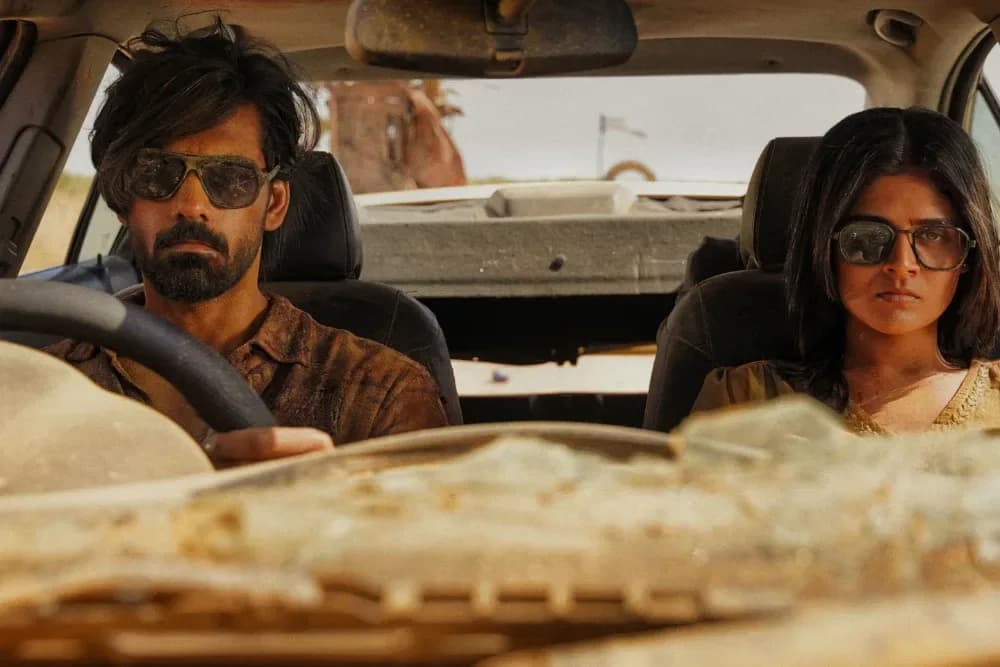
‘Half’ Survived War, Hail, and Heat. Now It’s Coming for You.
Samjad’s ‘Half’ survived a war, a hailstorm, and 56°C heat to become one of the year’s most talked-about genre films. Now, it’s heading to Sitges—and fans are already hunting it down.
Does horror keep working in India? The coverage mostly shows Hollywood doing the work
CutMirchi's recent reporting says little about homegrown Indian horror hits, but it does show Hollywood horror imports performing well on Indian screens.
Be the first to comment
Join the argument. No password, just your email or a passkey.