

The Social Reckoning hits Indian theatres today, and it’s not the kind of film that lets you look away. A direct sequel to The Social Network, this new drama from director Aaron Sorkin dives into the fallout of Facebook’s unchecked power — not just its founder’s ego, but how the platform became a weapon in real-world chaos. The film opens with a stark question: when a tool meant to connect people starts eroding truth, dignity, and mental health, who’s responsible? And more importantly, who’s still listening? The answer, as the movie unfolds, isn’t clear-cut. Michael Caine plays Francis Haag, a man clinging to ideals he no longer believes in, while Jeremy Allen White’s Jeff Harnett. A reporter chasing the story behind the headlines, becomes the audience’s conscience. Their dynamic is tense, layered, often funny, and always urgent. One scene, where they argue over whether outrage should be monetised, drew loud applause in early screenings. The film’s structure splits between two timelines: one tracing the 2021 data leak scandal, the other exploring how algorithmic amplification helped spread extremism, misinformation, and targeted harassment. Especially against young women on Instagram. These aren’t abstract themes. They’re shown through real moments: a teenager receiving death threats, a politician’s campaign built on lies, a public figure’s life unraveling after a viral post. The emotional weight lands hard. Performance-wise, Michael Caine delivers a career-best turn, a man caught between guilt and denial, his voice trembling with every attempt to justify what he once called ‘the world’s most open network’. Jeremy Allen White matches him, bringing both fire and vulnerability to the role of a journalist pushed to the edge. Even brief appearances by Betty Gilpin and Bill Pullman land with precision, their lines cutting like scalpels. But it’s not flawless. Some viewers found the pacing uneven, particularly in the second act, where the narrative slows to let ideas breathe. And while the film avoids naming real politicians or events directly. A choice some see as strategic, others as cowardly, it doesn’t shy from showing the consequences. The Capitol riot sequence, shot with chilling realism, stands out as one of the most visceral moments in recent cinema. So is it worth watching? If you’ve ever felt uneasy about your own screen time, if you’ve questioned why certain posts go viral, or if you believe tech giants should be held accountable for what they build. Yes. This isn’t entertainment. It’s a reckoning. And it arrives at a moment when India’s own digital discourse is under intense scrutiny. Whether it sparks conversation here remains to be seen. But it’s already doing so abroad. The film releases nationwide on Friday. The first reviews are in. Now comes the real test.
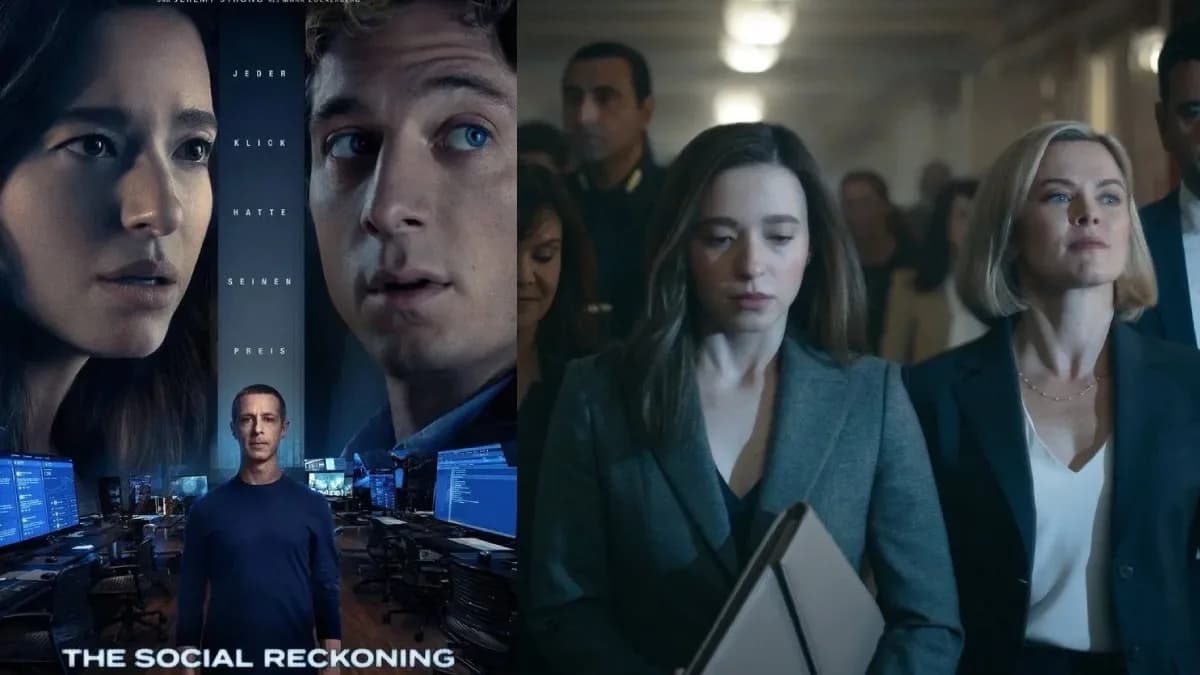 Photo via Filmibeat Tamil - Main Feed
The Social Reckoning: When the Algorithm Turns Against Us
The Social Reckoning review: தி சோஷியல் ரெக்கனிங் விமர்சனம்.. சமூக ஊடக அரசியல் இப்படியெல்லாம் செய்யுமா?
In this story
Live site hype
around 2 reading right now · 252 today
About the film
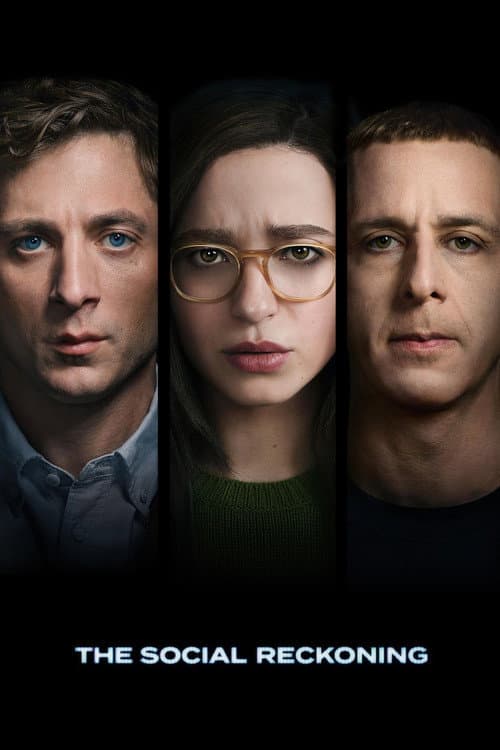
The Social Reckoning
9 October 2026 · in theatres · cast, trailer and release details
Reported from
This article was written by the CutMirchi desk from the reporting above. Facts are attributed to their original publishers.
Read next
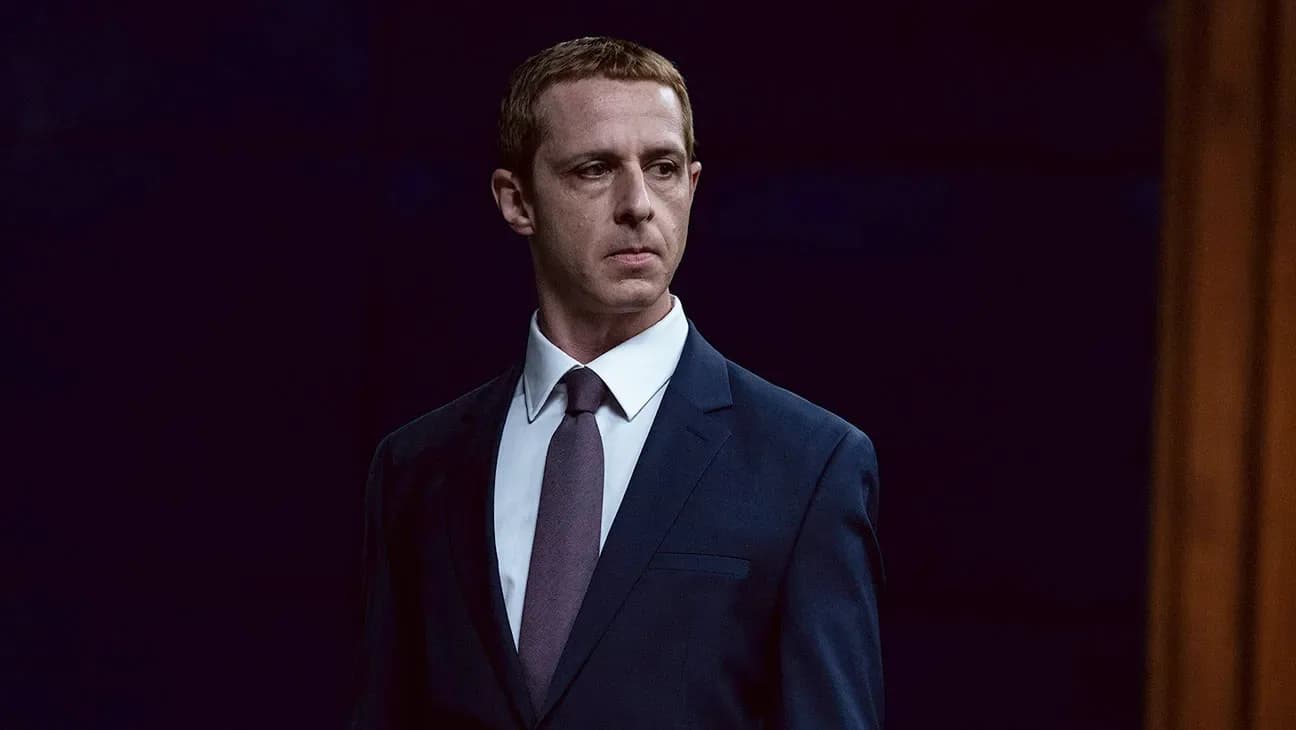
The Social Reckoning Early Reviews Split Critics Before Its Friday Release
First reactions to Aaron Sorkin's The Social Reckoning, starring Jeremy Strong as Mark Zuckerberg, are mixed ahead of its October 9 release, with critics split over whether it clears the shadow of The Social Network.
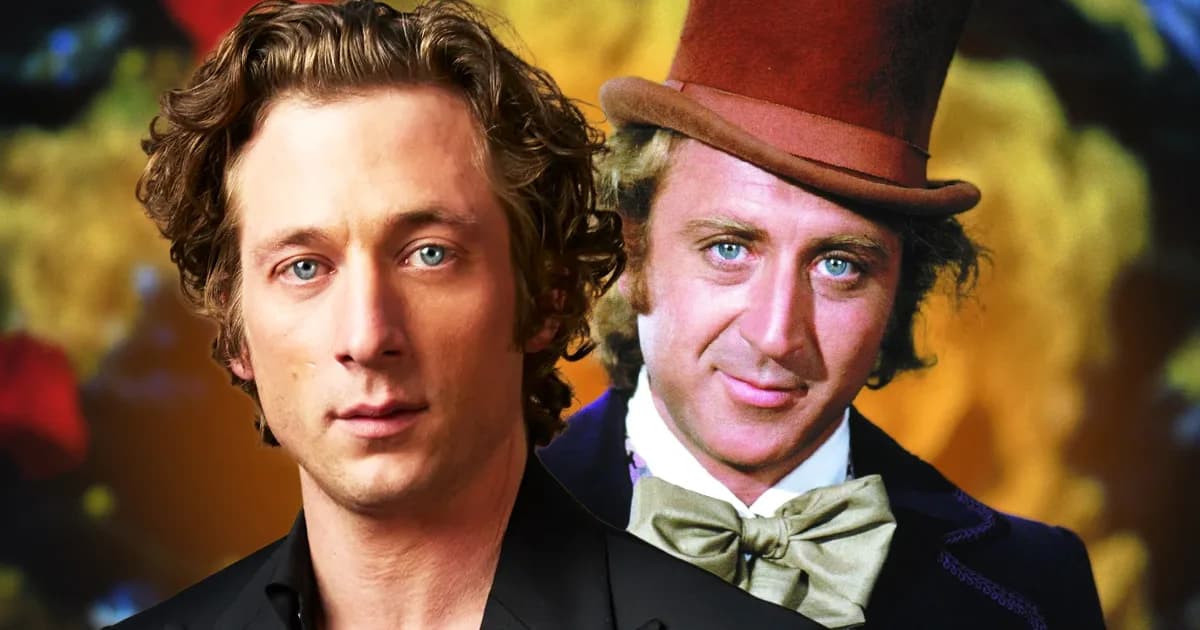
Jeremy Allen White Says He’d Play Gene Wilder
He’s not waiting for permission. He’s asking for it.
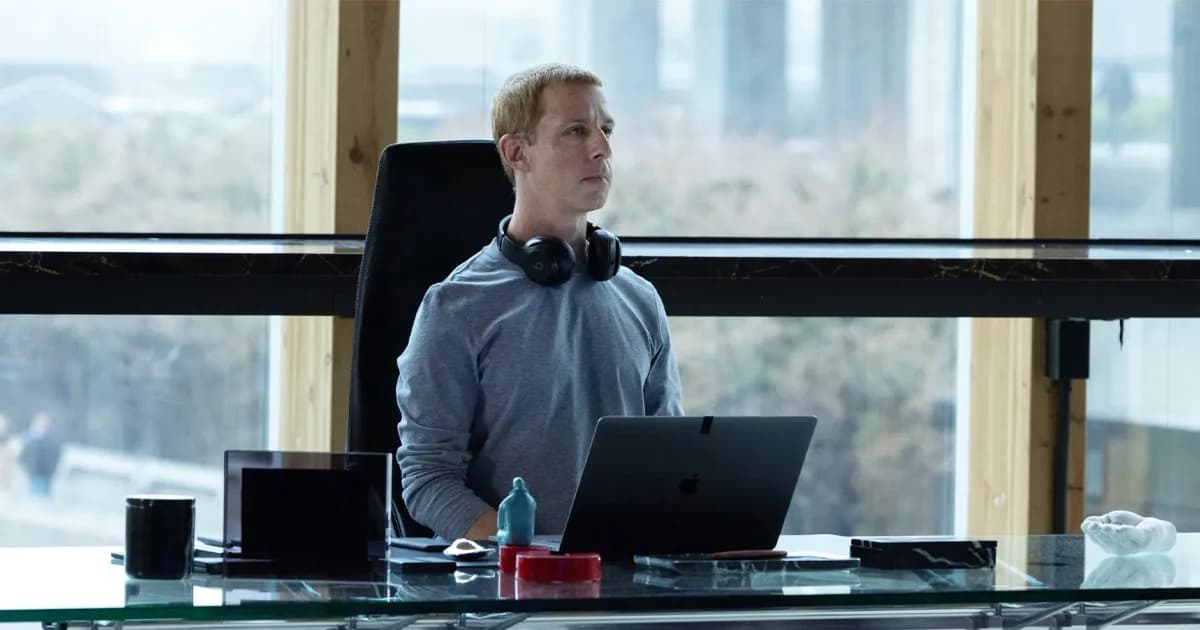
The Social Reckoning Opens October 9: Sorkin’s Tech Parable Divides Critics Before It Hits Screens
The Social Reckoning opens in India on October 9, but the verdicts are already out. Critics are divided: some hail it as Sorkin’s best work in years, others dismiss it as a slow, self-satisfied retread. The cast—Madison, White, Strong—draw praise. The script? Divisive. The timing? Unavoidable. The film’s about social media’s damage. But the real question is whether anyone’s listening anymore.
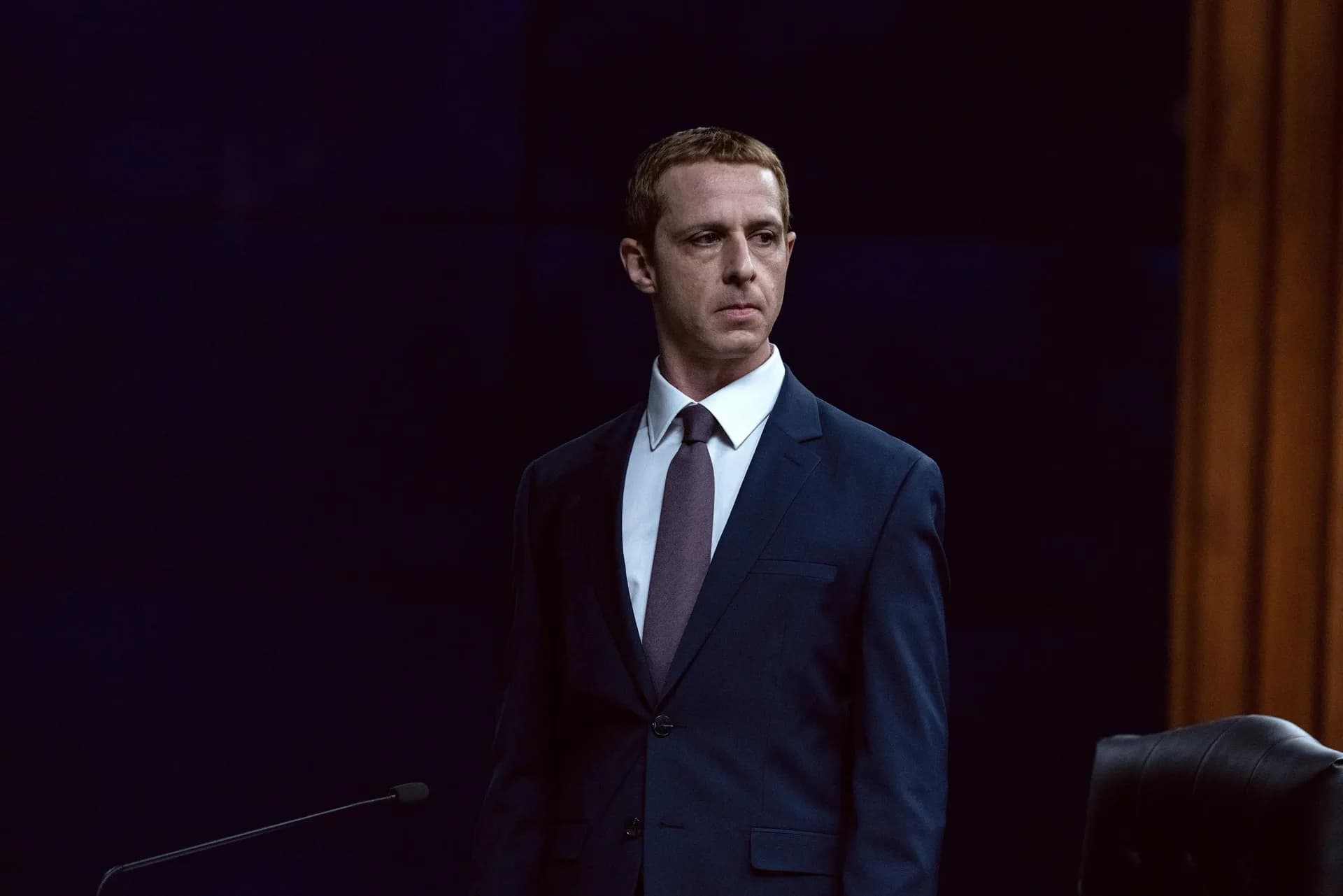
The Social Reckoning Opens With Mixed Reactions
The Social Reckoning, Aaron Sorkin's follow-up to The Social Network, opens to mixed reviews. Critics praise its timely subject and strong performances but question its pacing and directorial choices.
Be the first to comment
Join the argument. No password, just your email or a passkey.