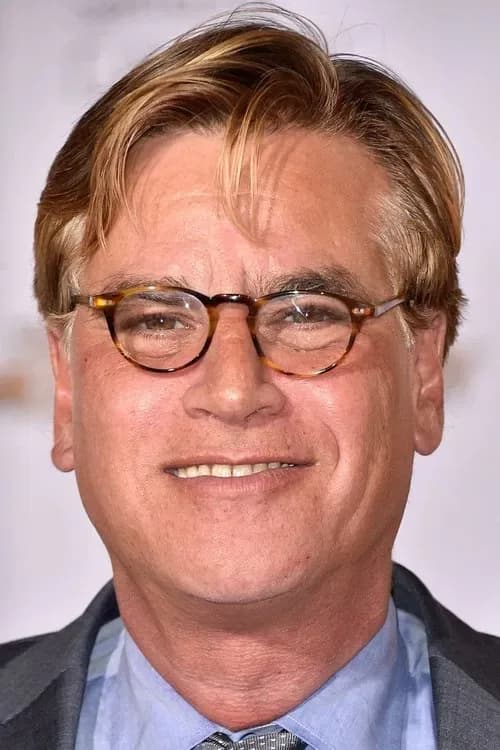
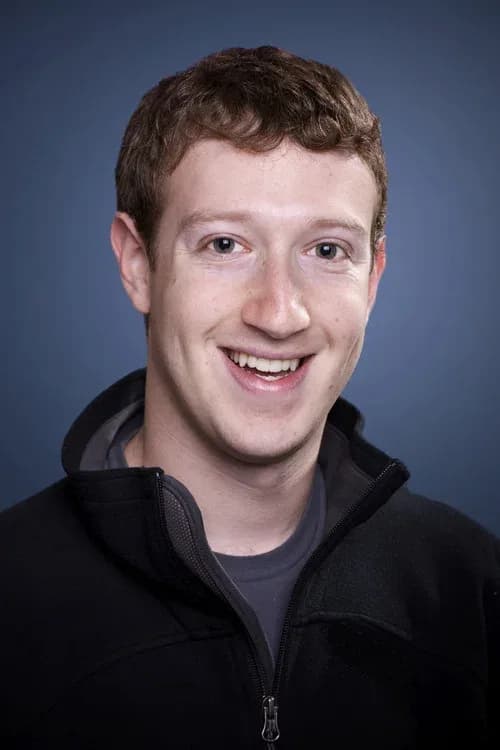


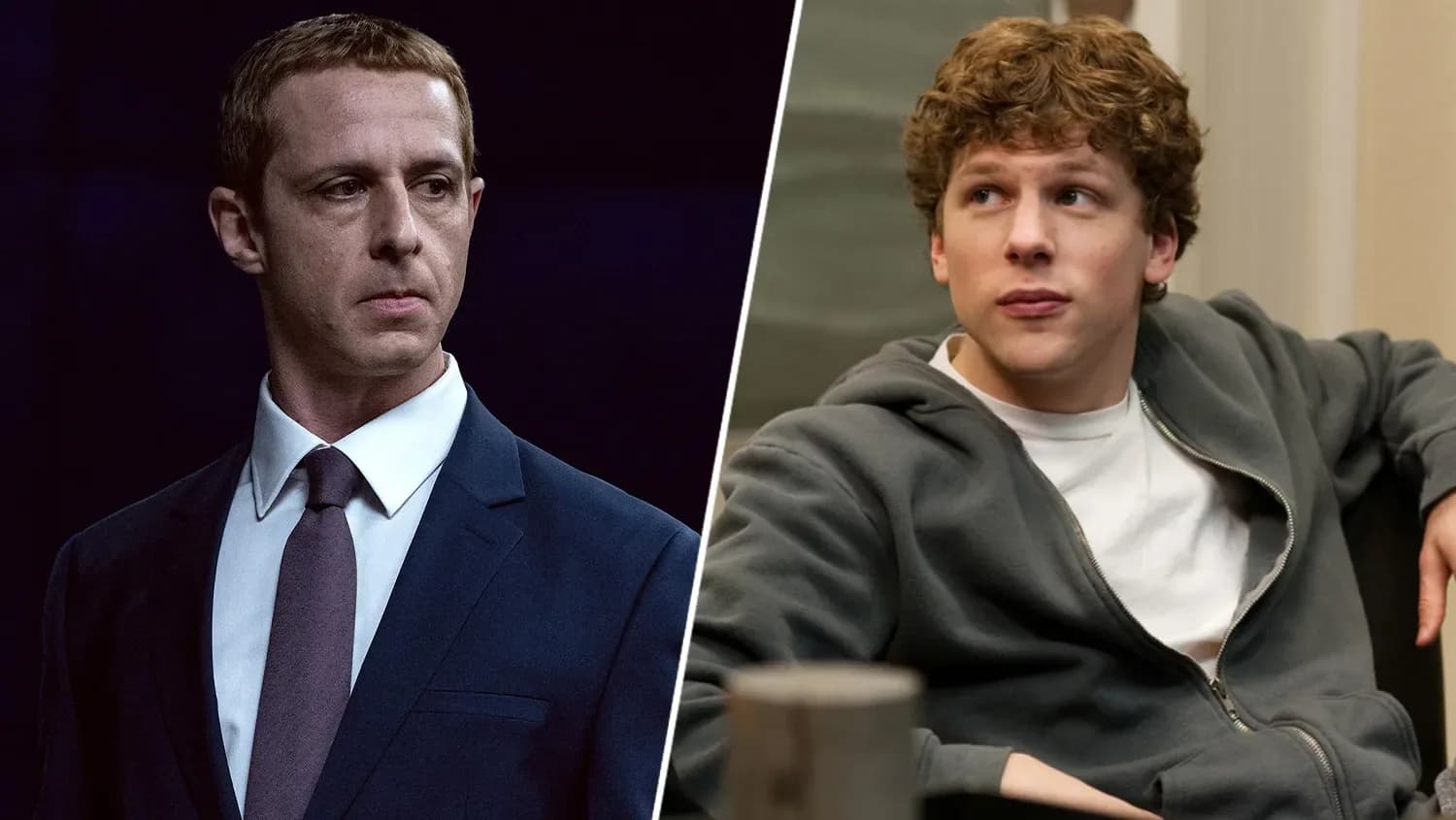
Jesse Eisenberg has once again declined to reprise his role as Mark Zuckerberg in Aaron Sorkin’s new film, The Social Reckoning, not because of money, but because he doesn’t want to be seen as a representative of the tech world — or of Facebook’s legacy. The actor, who played Zuckerberg in 2010’s The Social Network, confirmed during a recent interview about his new film, The Debut, that he hasn’t seen Sorkin’s latest project, which opens with just $5.5 million domestically. “I haven’t seen the movie yet,” Eisenberg told Deadline. “It just came out… I have a thousand million thoughts about the movie.” He went on to explain his decision: “I love the script and I love Aaron Sorkin so much, and it was such an honor to be in the first movie, if you can call it the first movie, and, I just didn’t want to be associated with that guy again and go around and do a year of press, where I’m talking about something which I know nothing about, because I’m not on that platform as a user, and I’m not interested in that kind of technology as a person. I just don’t want to be a representative of it.” The film, described as a companion piece to The Social Network, centers on Frances Haugen (played by Madison), a former Facebook engineer who blows the whistle on the company’s internal secrets with the help of Wall Street Journal reporter Jeff Horwitz (White). Mark Strong steps into the lead role. Sorkin, who had hoped Eisenberg would return, admitted he was surprised. “It never occurred to me that he wouldn’t want to do it,” he said in an interview with Entertainment Weekly. When speaking to Vanity Fair, Sorkin added that he knew what the studio offered Eisenberg, “a substantial sum”. But insisted money wasn’t the motivator. “Money does not motivate Jesse. It’s infuriating. If anything, money is a disincentive for him. It’s admirable. He’s very concerned about raising his kids with too much money.” Eisenberg’s stance isn’t a rejection of the story or the script, it’s a boundary. He’s not stepping back from the narrative. He’s stepping away from the spotlight. And while the film moves forward without him, the question remains: what does it mean to play a role that’s now part of cultural memory? Not just a performance, but a symbol. The next step? Letting the film stand on its own. Without a ghost in the machine.
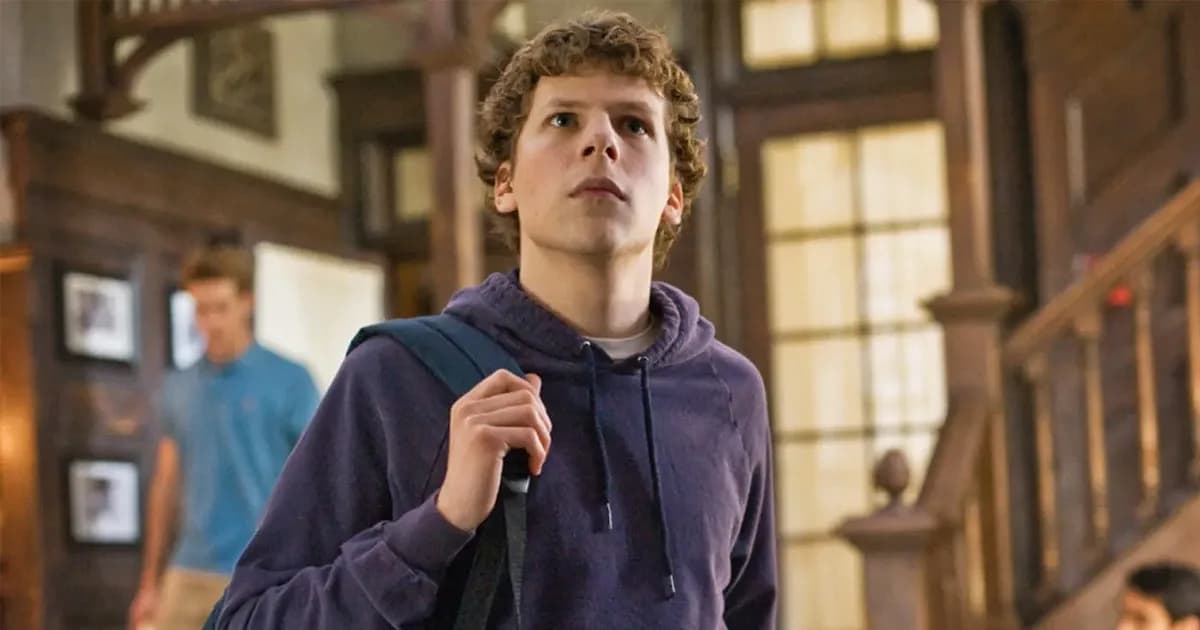 Photo via JoBlo.com
Eisenberg Declines Zuckerberg Role in The Social Reckoning Over Identity, Not Money
Eisenberg skips Zuckerberg role again—this time, not for money, but for distance
In this story
Live site hype
around 2 reading right now · 277 today
About the film
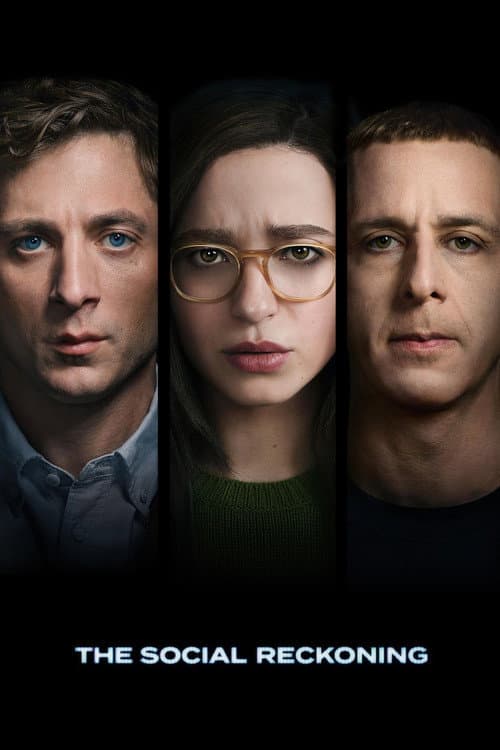
The Social Reckoning
9 October 2026 · in theatres · cast, trailer and release details
Reported from
This article was written by the CutMirchi desk from the reporting above. Facts are attributed to their original publishers.
Read next
Sorkin Wrote Eisenberg An Outline To Woo Him Back As Zuckerberg
Aaron Sorkin reveals he drafted an actual outline arguing why Jesse Eisenberg should return as Mark Zuckerberg for The Social Reckoning, before casting Jeremy Strong instead last September.

Aaron Sorkin Reveals Jesse Eisenberg Turned Down Zuckerberg Role Despite Pay
Aaron Sorkin says he was stunned when Jesse Eisenberg declined to reprise Mark Zuckerberg in The Social Reckoning, revealing he even wrote an outline to convince him. Jeremy Strong takes over the role instead.

Eisenberg Turns Down Zuckerberg Role Again, Says He Doesn’t Want to Be ‘Representative’ of Tech World
Jesse Eisenberg has turned down the role of Mark Zuckerberg in Aaron Sorkin’s The Social Reckoning, despite Sorkin’s belief he’d return. The actor, who played Zuckerberg in 2010’s The Social Network, said he doesn’t want to be a public representative of a platform he doesn’t use. He’s now focused on his own film, The Debut, set for December 11 release.
The Social Reckoning: How Two Actors Faced Down The Social Network's Ghost
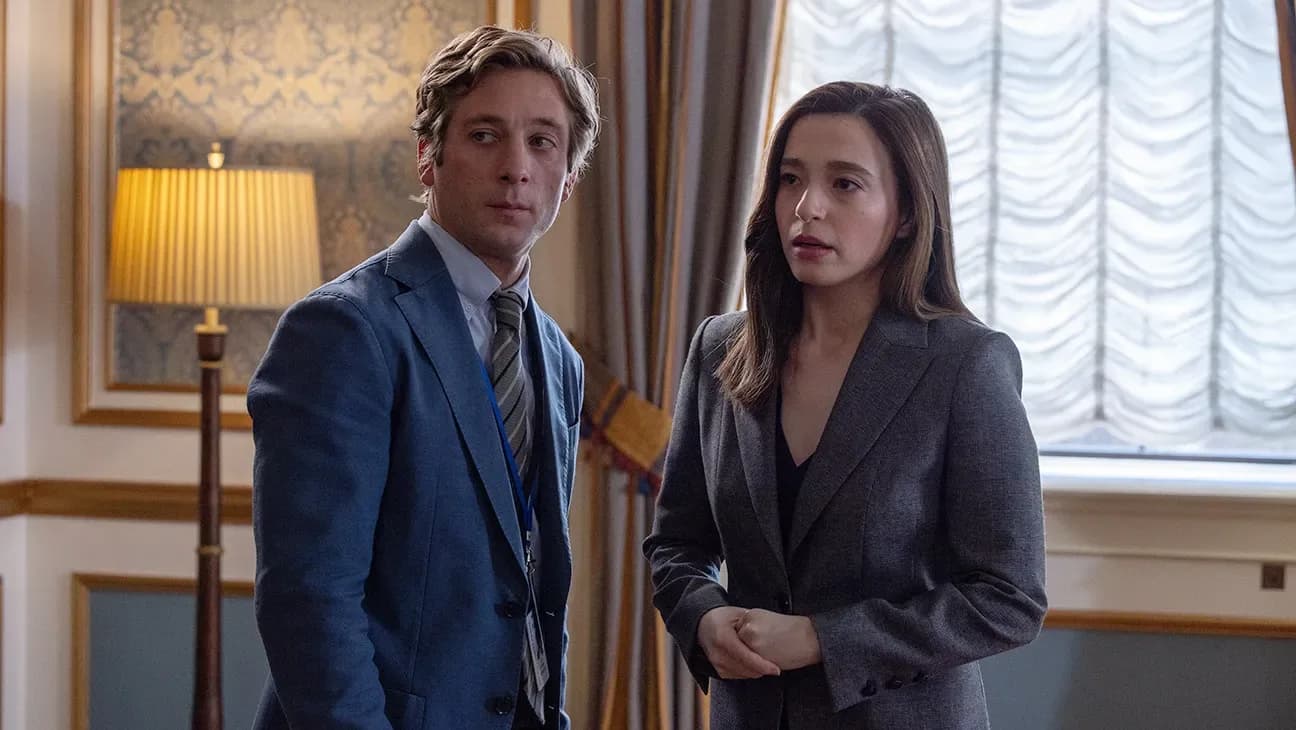
The Social Reckoning hits theatres on October 9 — and with it, the weight of a legacy. Not just any legacy: the ghost of The Social Network, the 2010 film that still haunts every tech drama made since.
Be the first to comment
Join the argument. No password, just your email or a passkey.