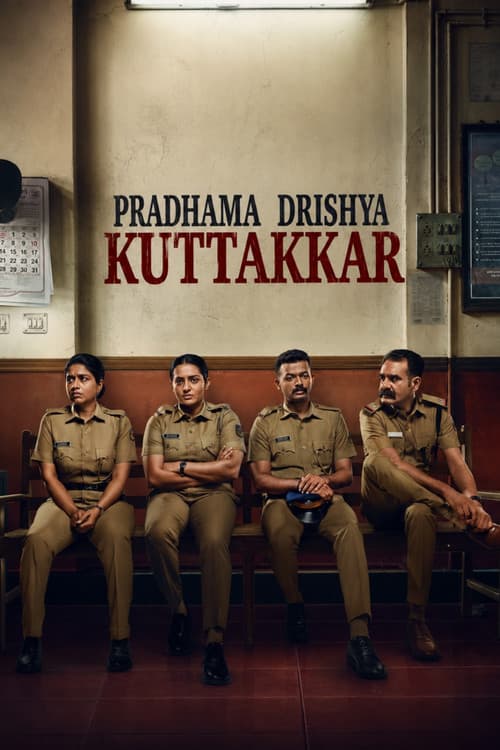
Parvathy Thiruvothu’s Pradhama Drishtya Kuttakkar is holding strong at Rs.50 crore — and it’s not just the numbers that matter. It’s the seven years it took to find a role that changed everything.
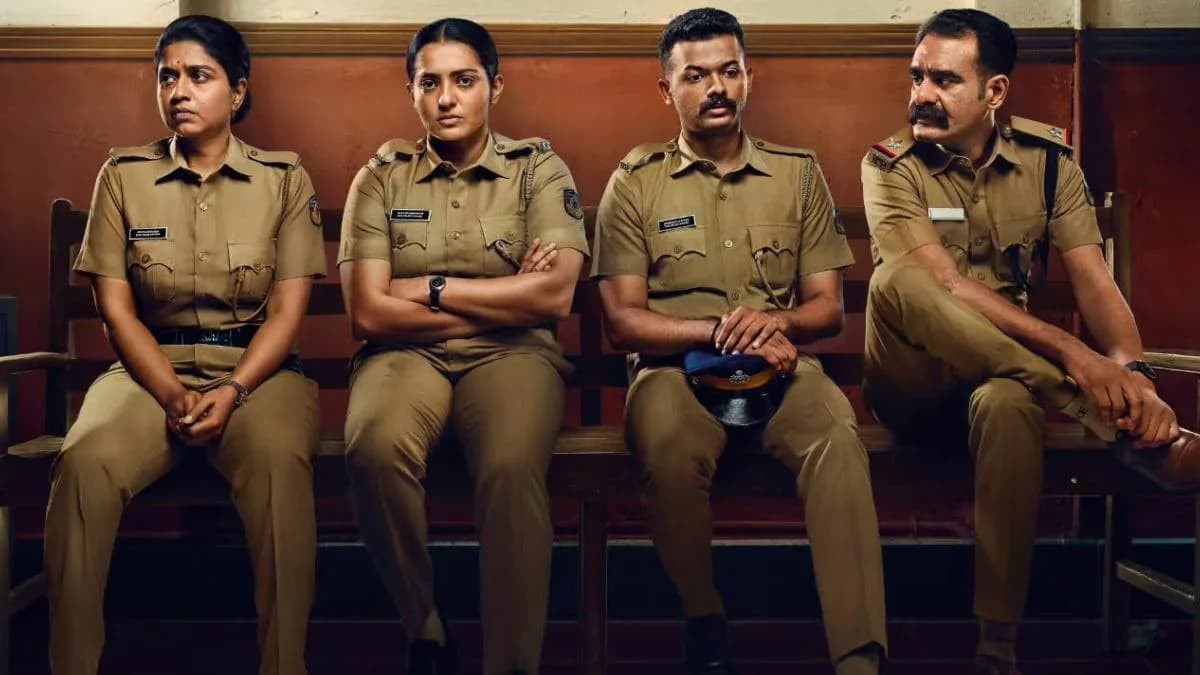
Parvathy Thiruvothu’s Pradhama Drishtya Kuttakkar has quietly become the only Malayalam film to survive the Bethlehem Kudumba Unit storm — and it’s not just surviving. It’s raking in Rs.50 crore, with no signs of slowing down. The film’s quiet dominance is a rare win in a year where even big names have stumbled.
But for Parvathy, the real story isn’t the box office. It’s the seven years it took to manifest a thriller that still makes her voice crack when she talks about it. 'Took me 7 years to manifest a thriller,' she says, laughing into the phone from London, where she’s shooting a film she won’t name.
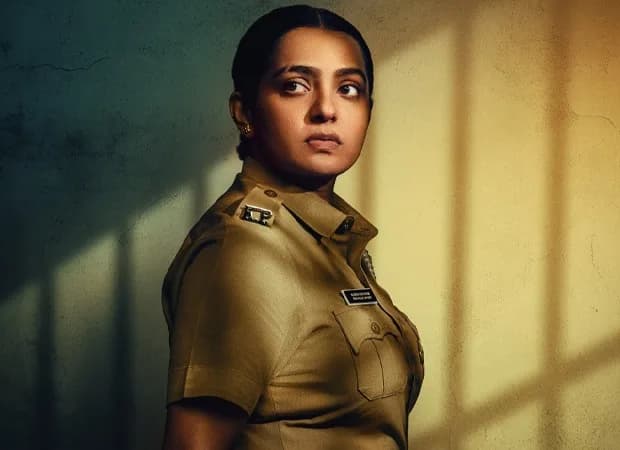
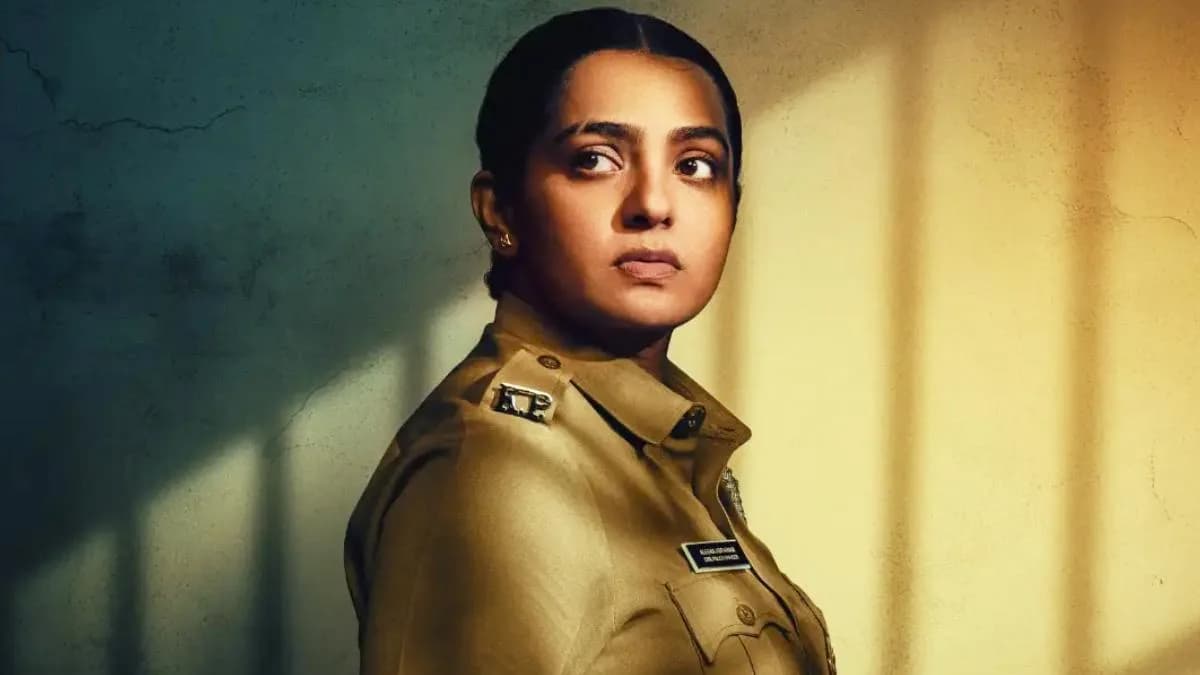
She’s mid-sentence, then pauses, ‘I need my spicy food!’. Before launching into a conversation that feels less like an interview and more like catching up with someone who’s been through a war and still remembers the taste of home. Her body language, even over a call, speaks volumes: this is a woman who’s lived every second of Aleena, the cop at the heart of PDK.
Not because she’s like her, she insists she’s nothing like Aleena. But because she had to become her. The character is a moral knot: a woman who commits a crime, knows she’s guilty, yet keeps moving forward, driven by something deeper than justice. She’s not fighting for innocence.
She’s fighting for her daughter. That line, ‘Divya’s safety becomes her North Star’. Isn’t just a detail. It’s the spine of the film.
And it’s why Parvathy spent months wrestling with whether audiences would ever root for her. She didn’t want sympathy. She wanted empathy. The script, written by Shahad, was a labyrinth, ‘two steps forward, one step back’.
With twists so tight they’d make a seasoned screenwriter sweat. Parvathy admits she once considered walking away, just focusing on her own arc. But she trusted the team: Shahad, editor Chaman Chacko, DOP Robby. They were the ones who could stitch together the web of secrets, lies, and shifting loyalties.
Even the smallest details, Aleena’s scar, the school she attended, the reason she reads Harris Meeran’s autobiography. Were mapped out in a PDF Shahad handed her. Most of it never made it to screen. But it mattered.
Because Aleena wasn’t just a cop. She was a woman shaped by loss: parents, husband, now her daughter in danger. And in that space, Parvathy found her. Not as a hero.
Not as a villain. As someone who, like many women in real life, doesn’t say ‘Oh! What do we do now?’ She just does. The film’s quiet brilliance lies in how it refuses to let you settle into easy answers.
You’re not supposed to cheer for the officers. You’re supposed to feel the weight of what they’ve done, and why they did it. And Parvathy? She’s still not sure if she pulled it off.
But she’s proud. Not because the film made money. Because it made her believe in the power of a role that demands not just acting, but survival. Next stop: the next film.
The one that shall not be named. But she’s already thinking about it. She’s already reading.

Be the first to comment
Join the argument. No password, just your email or a passkey.