The horror‑infused music video ‘FANAA’ now carries an 18+ tag on YouTube, limiting its reach, while Instagram numbers edge close to ten million.
The latest buzz in the music‑video arena comes from Tia Bajpai and composer‑producer Arian Romal. Their joint effort, titled FANAA, has been labeled 18+ on YouTube, effectively hiding it from casual browsers.
The duo explained that the age gate was a direct result of the video’s horror‑laden visuals. “We have had lots of issues with YouTube and everywhere else with the 18+ tag being put on it,” they told Bollywood Hungama. “We wanted to make the scariest music video, and we did.” The restriction means only logged‑in users over eighteen who actively search for the track can view it – a double‑edged sword that the creators described as “kind of cool, but also bad in the same way.”
Despite the setback on the world’s biggest video platform, FANAA is thriving elsewhere. Instagram, where the full clip is posted, shows the count inching toward ten million views. That figure dwarfs the limited YouTube impressions and has turned the platform into the primary discovery hub for the project.
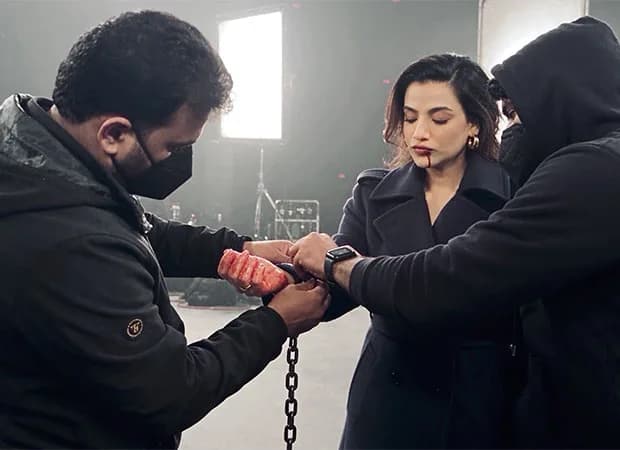
The horror‑music hybrid leans heavily on narrative storytelling. Bajpai, who has flirted with the genre before, said the shoot felt more like a short film than a typical clip. “Shooting ‘FANAA’ was a completely different experience for me because we were trying to create something that feels like more than just a music video,” she said. She added that the set produced “genuinely intense” moments, which she believes will linger with audiences after the final frame.
Romal’s soundtrack stitches together eerie melodies, pulsating beats and shadowy imagery, reinforcing the unsettling tone. The video even carries on‑screen warnings urging viewers not to watch alone and to “keep the lights on.” Those cues underline the creators’ intent to push the boundaries of what a music video can be.
Industry observers note that an 18+ tag is rare for music videos, a classification usually reserved for explicit lyrical content rather than visual horror. The move has sparked conversation about platform policies and whether artistic ambition should be throttled by algorithmic filters.
For fans, the restriction is a mixed bag. Some relish the exclusivity, treating the hunt for the clip as a thrill‑seeking quest. Others lament the reduced discoverability, fearing that the video’s message and emotional core may never reach a broader audience.
What’s next?
The team has hinted at possible follow‑up content that could bypass the age gate, perhaps by releasing a “clean” version on YouTube while keeping the original intact on Instagram. Until then, the horror‑music experiment will continue to thrive in the corners of social media where curiosity meets fear.
The saga of FANAA points to a growing tension between creative risk‑taking and the gatekeeping mechanisms of major platforms. Whether the YouTube ban will push more artists toward alternative distribution channels remains to be seen, but for now, the video’s eerie allure is clearly resonating with a sizable online crowd.



Be the first to comment
Join the argument. No password, just your email or a passkey.