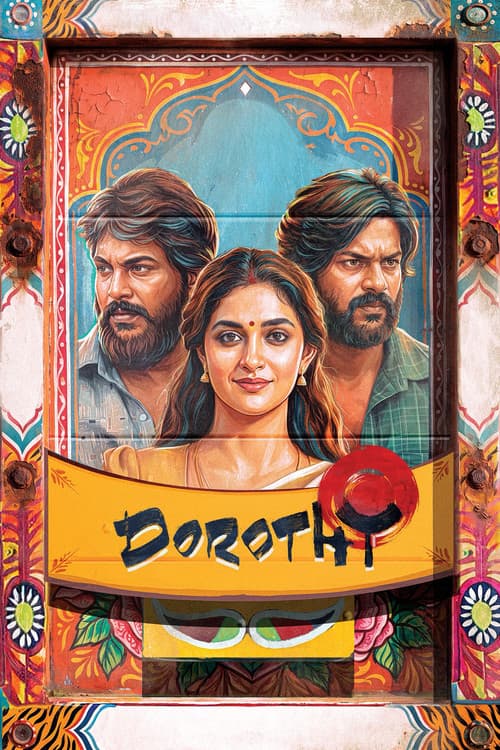
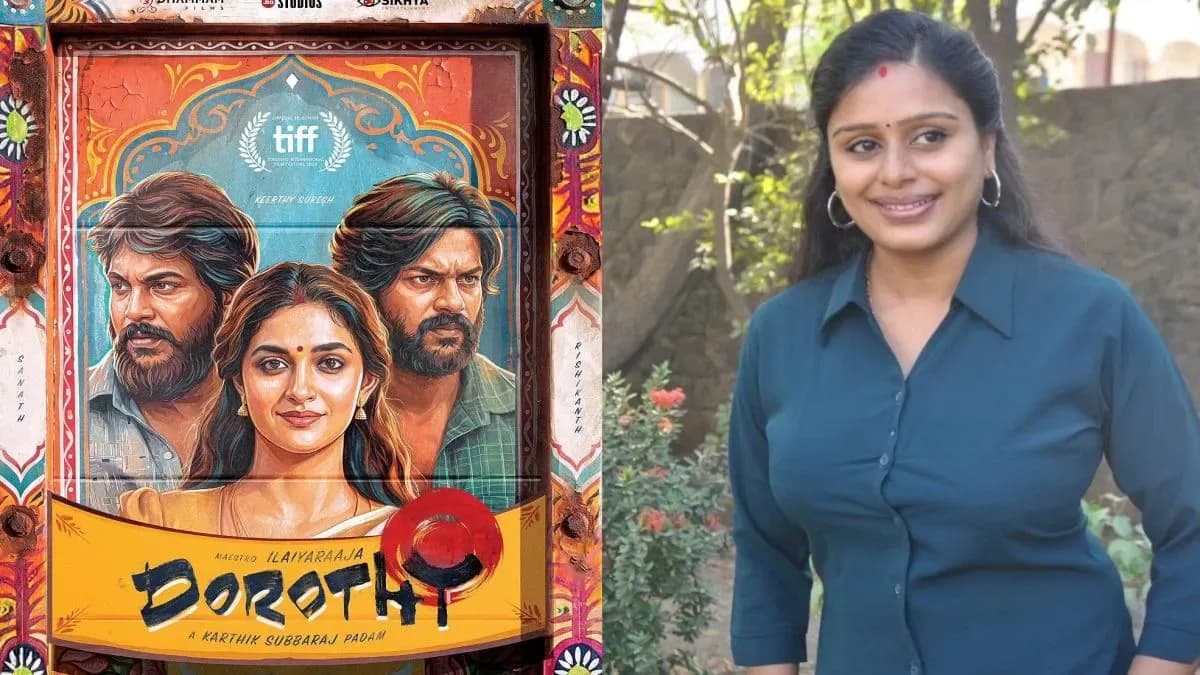
The Chennai‑based film, released on September 25, has drawn homophobic backlash, prompting trans activists to urge viewers to appreciate its authentic portrayal of their lives.
The Tamil drama ‘Dorothy’ opened its doors on September 25 and instantly sparked a firestorm on social media. While many praised director Karthik Subbaraj for giving trans lives a platform, a wave of homophobic and transphobic comments flooded comment sections within days.
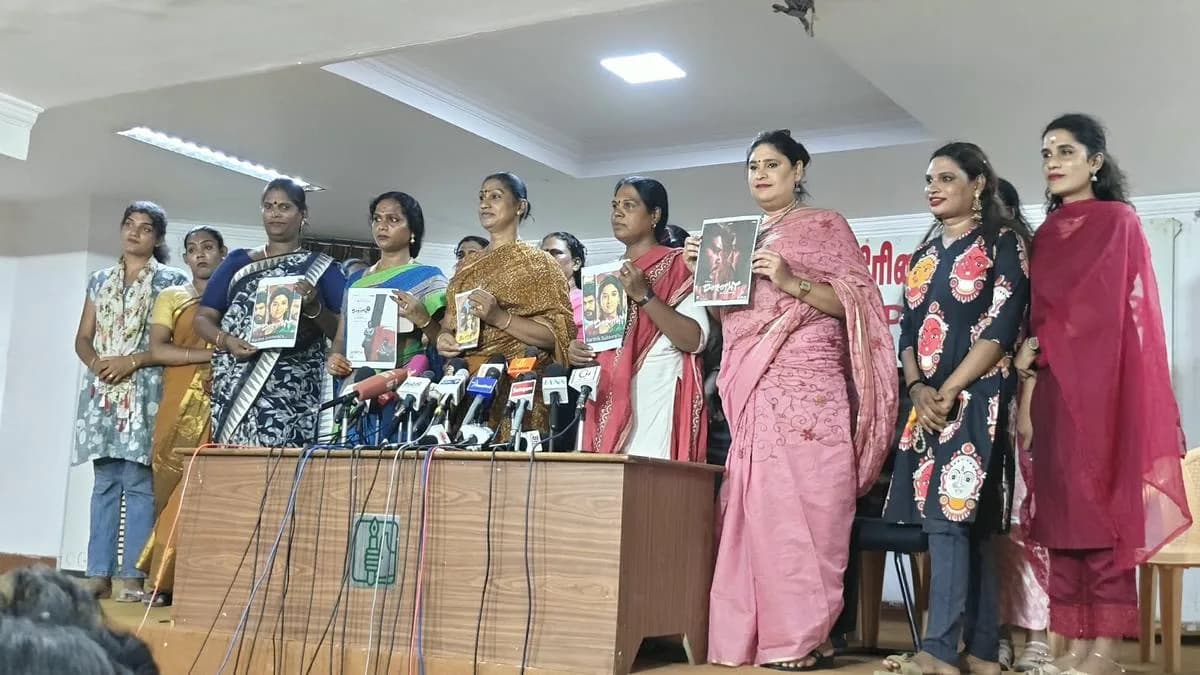
A group of trans activists gathered in Chennai on Monday, September 28, to push back against the negativity. They asked the public to look past the hate and recognise the film’s effort to showcase everyday realities of their community.
"The film opened our eyes to how trans people live from childhood," said Kalaimamani Sudha, a well‑known transwoman, speaking to reporters. She added that previous cinema often used the community as a plot device rather than reflecting genuine stories. "Seeing my own life on screen felt like a mirror," added Vaishnavi, another activist, echoing the sentiment that the narrative resonated deeply with her personal journey.
Meghna, who spent fifteen years hiding her identity to fit societal expectations, described the movie as a rare truth‑telling moment. "For years I pretended to be someone else. This film finally says what we have lived," she said.
The backlash, according to Sudha, stems from a confusion between sexual orientation and gender identity. She urged authorities and educators to introduce proper gender‑sensitivity training, noting that misinformation fuels the online vitriol.
"There’s a need for good gender education to be imparted to the public," Sudra explained, pointing out that many commenters conflate two distinct concepts, leading to misplaced anger.
Industry insiders note that ‘Dorothy’ joins a small but growing list of South Indian movies that centre trans narratives without resorting to caricature. Its release comes at a time when regional cinema is increasingly experimenting with socially relevant themes, from caste to climate.
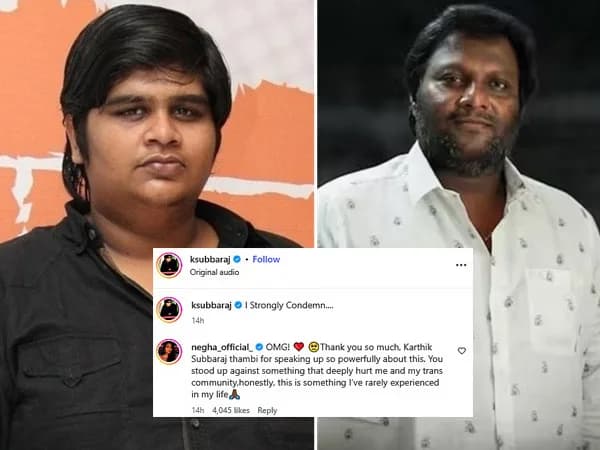
The activists also thanked Subbaraj for handling their stories with care. "We couldn’t reach such a wide audience on our own," Sudha said, highlighting the film’s role as a megaphone for a community that often struggles to be heard.
As the controversy rolls on, the film continues its theatrical run in major Tamil cities. Organisers have announced a panel discussion next week, featuring the director and several trans representatives, aiming to turn the online backlash into a constructive dialogue.
The hope, according to the group, is that audiences will walk out of the cinema with a clearer understanding of trans lives, rather than a handful of hateful comments. If the conversation shifts from outrage to education, ‘Dorothy’ may achieve what its creators intended: a lasting impact beyond the screen.
What the film shows
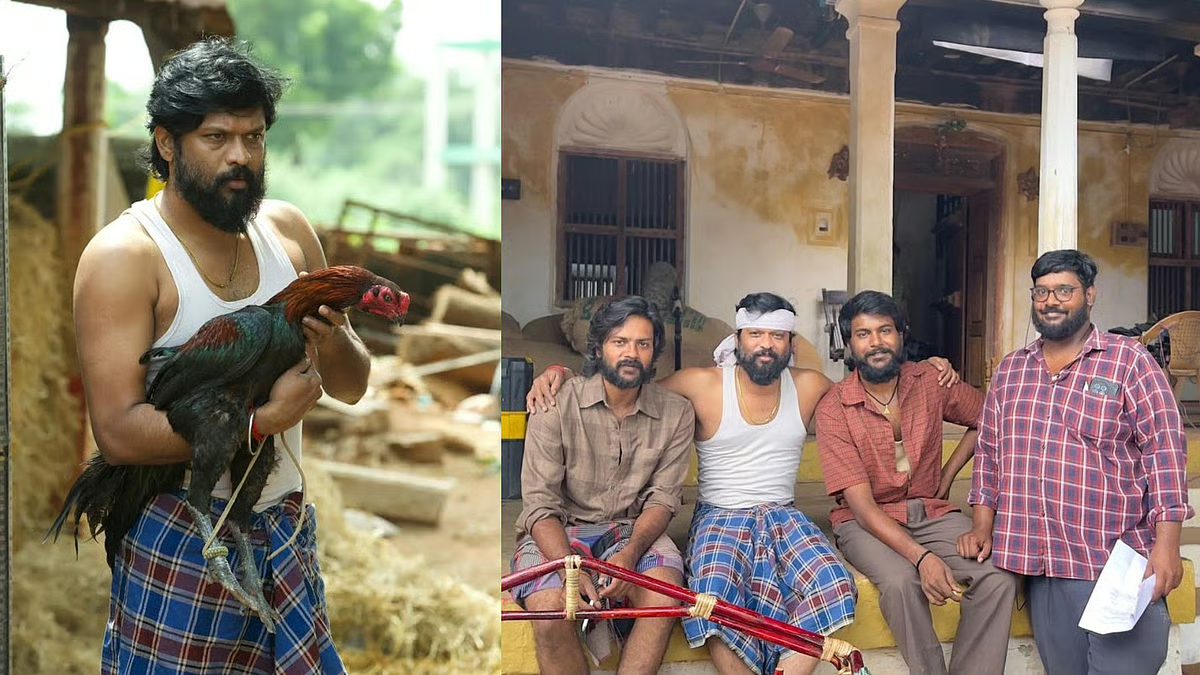
‘Dorothy’ follows the life of a young trans person navigating family expectations, school bullying, and the search for acceptance. Its narrative avoids melodramatic tropes, opting instead for quiet moments that reflect real‑world struggles. Critics have praised its restrained storytelling, while some detractors claim it “pushes an agenda.” The current debate points to how representation can still provoke strong reactions in a digital age.
The next step, according to the activists, is to let the film speak for itself and let viewers decide whether it truly mirrors their lived experience.

Be the first to comment
Join the argument. No password, just your email or a passkey.