The veteran actress accused the host of breaking Malayalam audience expectations, while the anchor claimed the bilingual approach was a direct demand from the crowd.
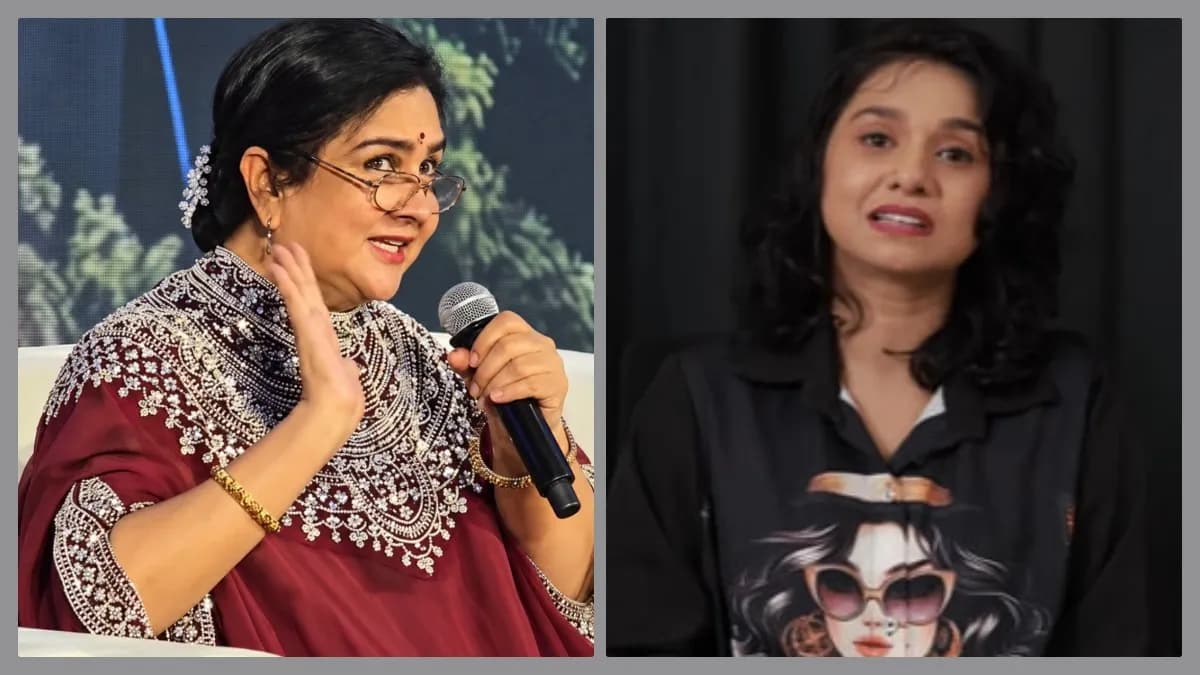
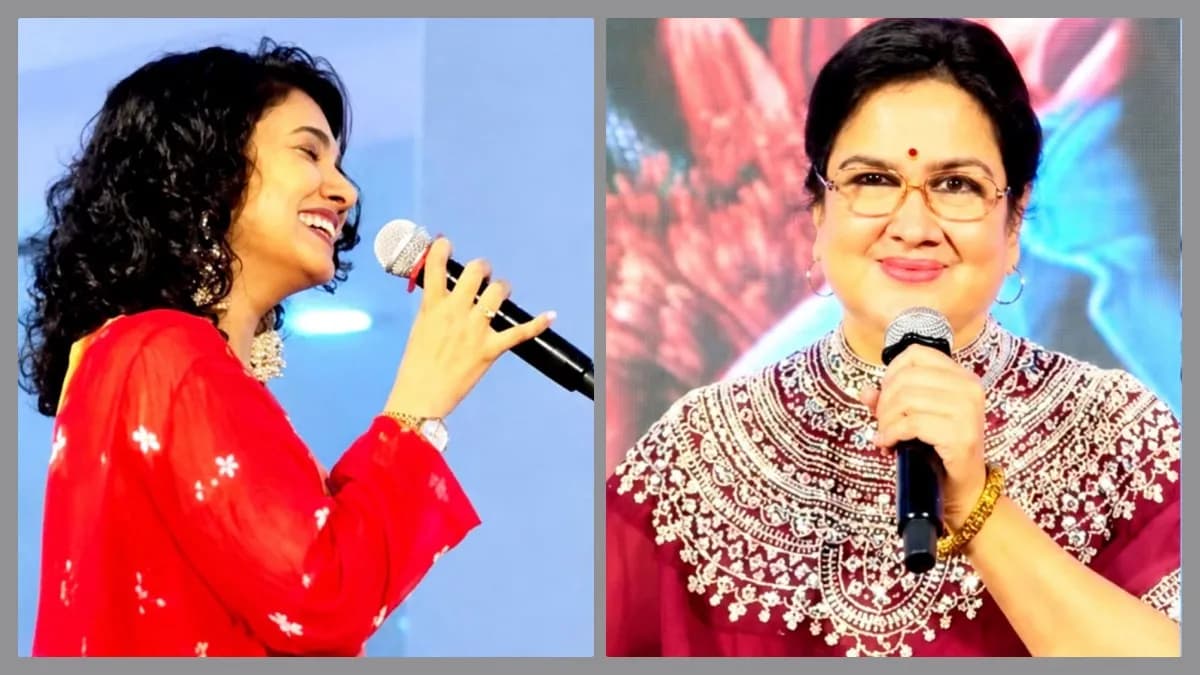
The controversy erupted at the Aash film’s pre‑launch in Kochi, where veteran actress Urvashi publicly rebuked the event’s host for using English instead of Malayalam. A short clip of the exchange went viral on social platforms, prompting a flood of comments accusing the anchor of alienating the local crowd.
Urvashi’s grievance centered on what she described as an unnecessary switch to English during a segment that should have catered to the Malayali audience. She questioned why the host would “mix English” when the event was meant for Malayalam‑speaking fans, implying a lack of respect for regional sensibilities.
In response, anchor Daksha Raveendranath uploaded his own video, explaining the rationale behind the language choice. “I’m posting this because the incident keeps resurfacing on social media, and I’m worried it could affect my mental health and professional reputation,” he said. He added that his reaction had been largely light‑hearted until Urvashi’s recent interview, which he said “caused a lot of distress.”
Daksha clarified that the Aash film is slated for release in five Indian languages, and the event was held at a venue in Kochi frequented by a multilingual audience. “The organizers instructed us to blend Malayalam and English,” he claimed, noting that many attendees were comfortable with both tongues. He argued that the bilingual delivery was a strategic push to generate buzz ahead of the movie’s launch.
The anchor also dismissed the notion that the audience had demanded the English segment. “If someone had asked for it, a simple hand‑raise would have sufficed,” he remarked, suggesting that the organizers could have directed the host to stick to Malayalam without any drama.
Both parties have since reiterated their respect for each other’s work. Urvashi, known for her extensive filmography across Malayalam cinema, emphasized that her criticism was aimed at the format, not the individual. Daksha, meanwhile, said his primary goal was to ensure the event ran smoothly from start to finish, regardless of language mix.
Industry observers note that such language debates are not new in South Indian promotions, especially for films targeting pan‑Indian markets. The Aash team has not issued an official statement, but the incident points to the tightrope producers walk when balancing regional authenticity with broader commercial appeal.
For now, the conversation continues online, with fans divided between supporting Urvashi’s call for linguistic purity and backing Daksha’s claim of audience‑driven bilingualism. The film’s release is scheduled for later this month, and whether this spat will affect its opening remains to be seen.
What’s next?
The Aash promotional calendar lists a series of city‑wide events leading up to the release. Keep an eye on the official social handles for any further clarifications from the cast or crew.
All statements attributed to Daksha Raveendranath are taken from his video posted on social media. Urvashi’s comments were reported in the same viral clip and later referenced in her interview.
Be the first to comment
Join the argument. No password, just your email or a passkey.