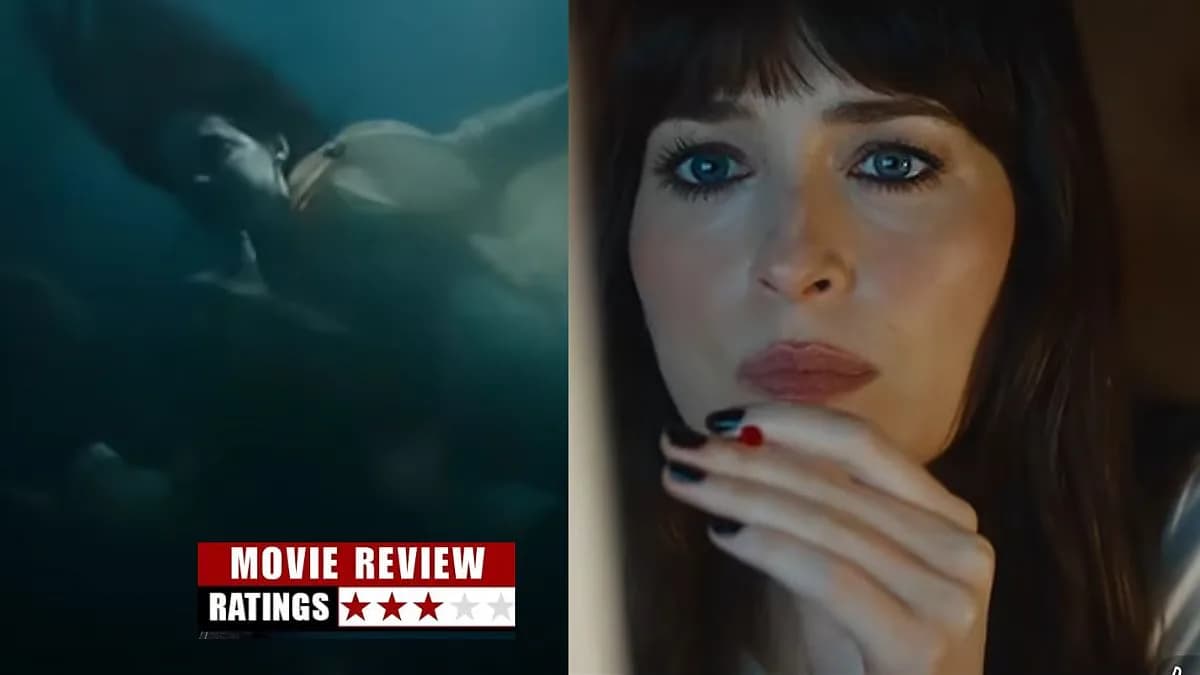
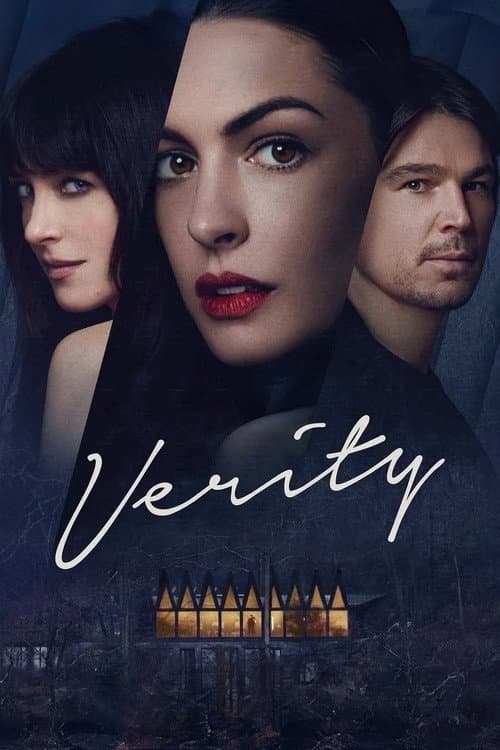
Verity hits theatres today — and it’s less a psychological thriller than a masterclass in misdirection. Dakota Johnson and Anne Hathaway play cat and mouse in a house where nothing is what it seems.
Verity hits theatres today, and with it, a question: how much disbelief can you hand over before the film stops being a thriller and starts feeling like a dare? Michael Showalter’s adaptation of Colleen Hoover’s novel doesn’t so much twist your mind as gently suggest you leave it at the door.
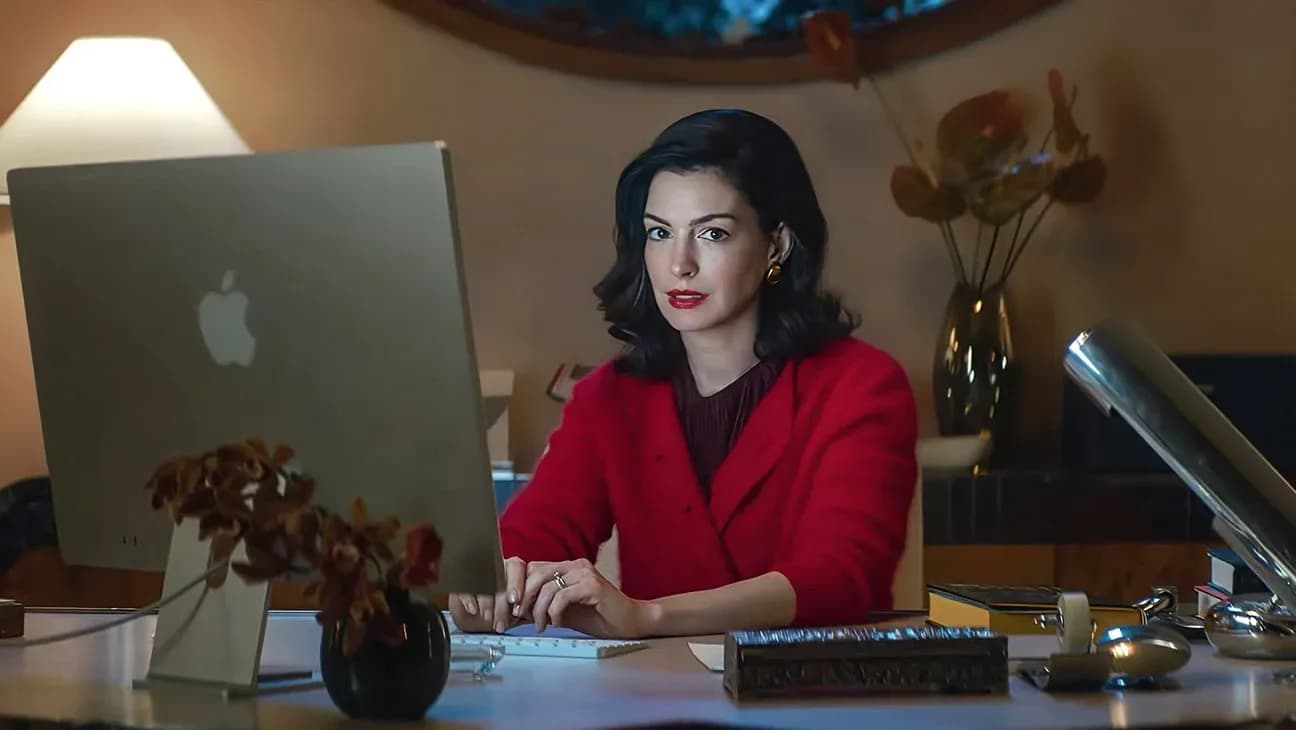
The premise is simple — struggling writer Lowen Ashleigh (Dakota Johnson) takes on a ghostwriting gig for the late Verity Crawford (Anne Hathaway), only to find herself trapped in a house where every word feels like a weapon. The Crawford home, all polished wood and shadowed corners, becomes a stage for psychological warfare disguised as literary collaboration.
And then the manuscript arrives. Not just any manuscript. One that rewrites everything. Including who’s lying, and who’s not.
The film’s early rhythm is deliberate, almost glacial. You’re meant to lean in, to feel the weight of silence between sentences. But once the first twist lands. Then the second, then the third, the pace shifts from slow burn to full-on combustion.
By the time the final revelation drops, the story has stopped pretending to be about truth and started celebrating chaos. It’s not that the twists don’t work. They do. They’re slick, they’re loud, they’re fun.
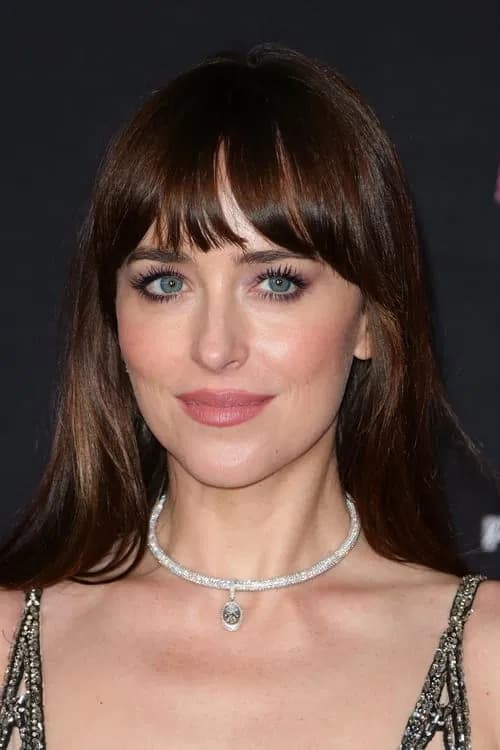
But fun isn’t always depth. Johnson plays Lowen with a quiet tension, her eyes always scanning, her posture tightening with every new clue. She’s not just reacting. She’s becoming something else.
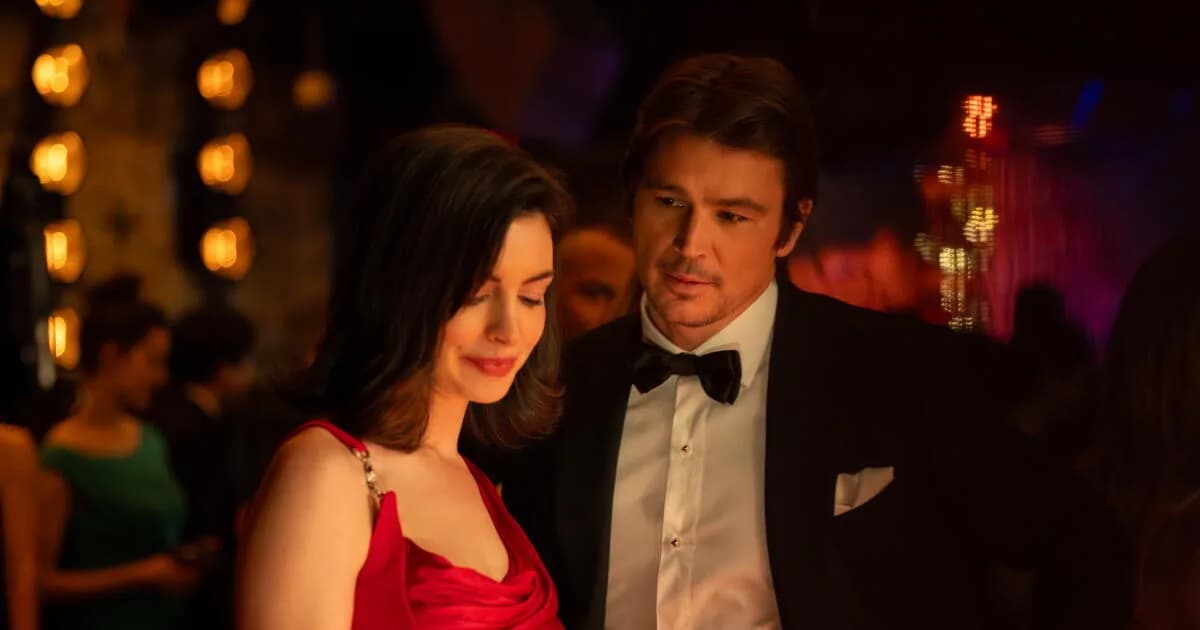
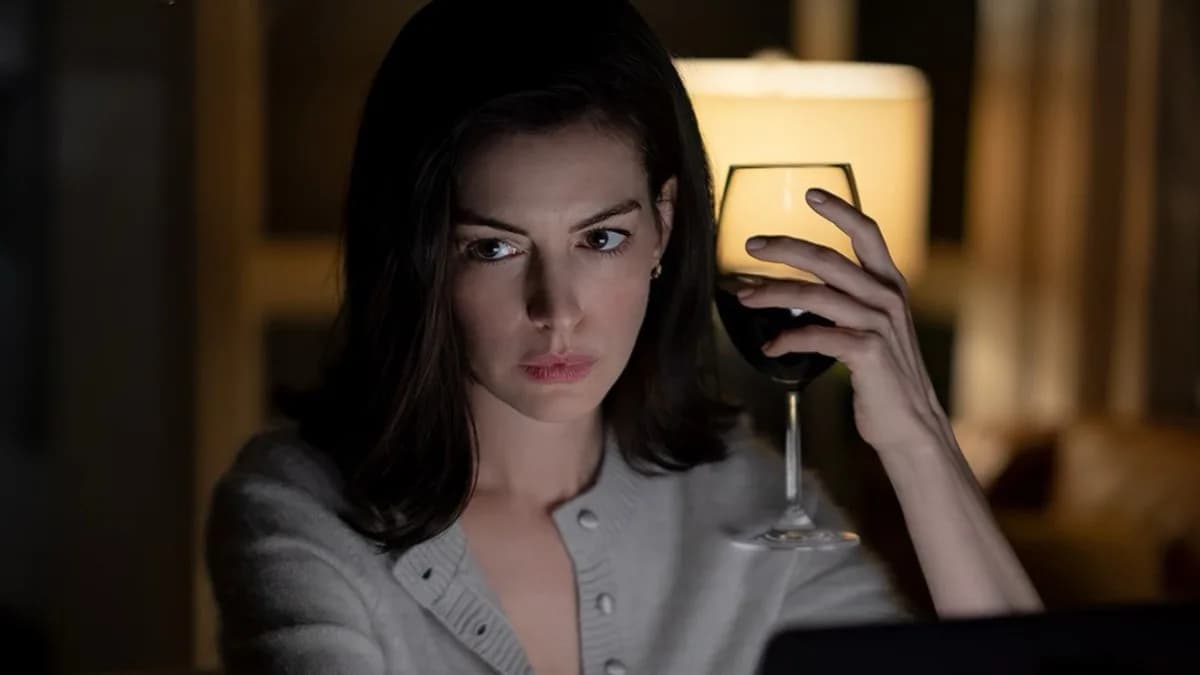
Hathaway, meanwhile, leans into the role like a performer stepping onto a stage she’s been waiting years to own. Her Verity is theatrical, magnetic, and utterly untrustworthy, not because she’s evil, but because she’s too clever to be real. Josh Hartnett’s husband is the kind of man who smiles too much, speaks too softly, and walks through rooms like he’s auditioning for a different movie.
He’s familiar, yes. But that familiarity is part of the trap. Visually, the film is a study in controlled decay. The production design gives the Crawford estate an air of old-world elegance, but there’s something off about the symmetry.
Every frame feels staged. Even the score, by Volker Bertelmann. Drags its fingers across the nerves, never quite letting go. It’s beautiful, unsettling, and occasionally distracting.
Because while the film looks like a classic Gothic thriller, it behaves more like a genre parody. It knows it’s absurd. It wants you to know it knows. And yet, somehow, it still demands you believe.
So what are we left with? A stylish, high-wire act that thrives on deception. It’s not deep. It’s not subtle.
But it’s impossible to look away. If you’re after a movie that makes you think, this isn’t it. If you want one that makes you feel, the thrill of being played, the shiver of a lie wrapped in velvet. Then Verity delivers.
Just don’t ask it to explain itself. It opens nationwide today. And if you’re going, bring your brain. But leave your sense of logic at the ticket counter.


Be the first to comment
Join the argument. No password, just your email or a passkey.