Sorkin’s new film redefines Zuckerberg — not as a villain, but as a symptom. The real story isn’t his rise. It’s what came after.
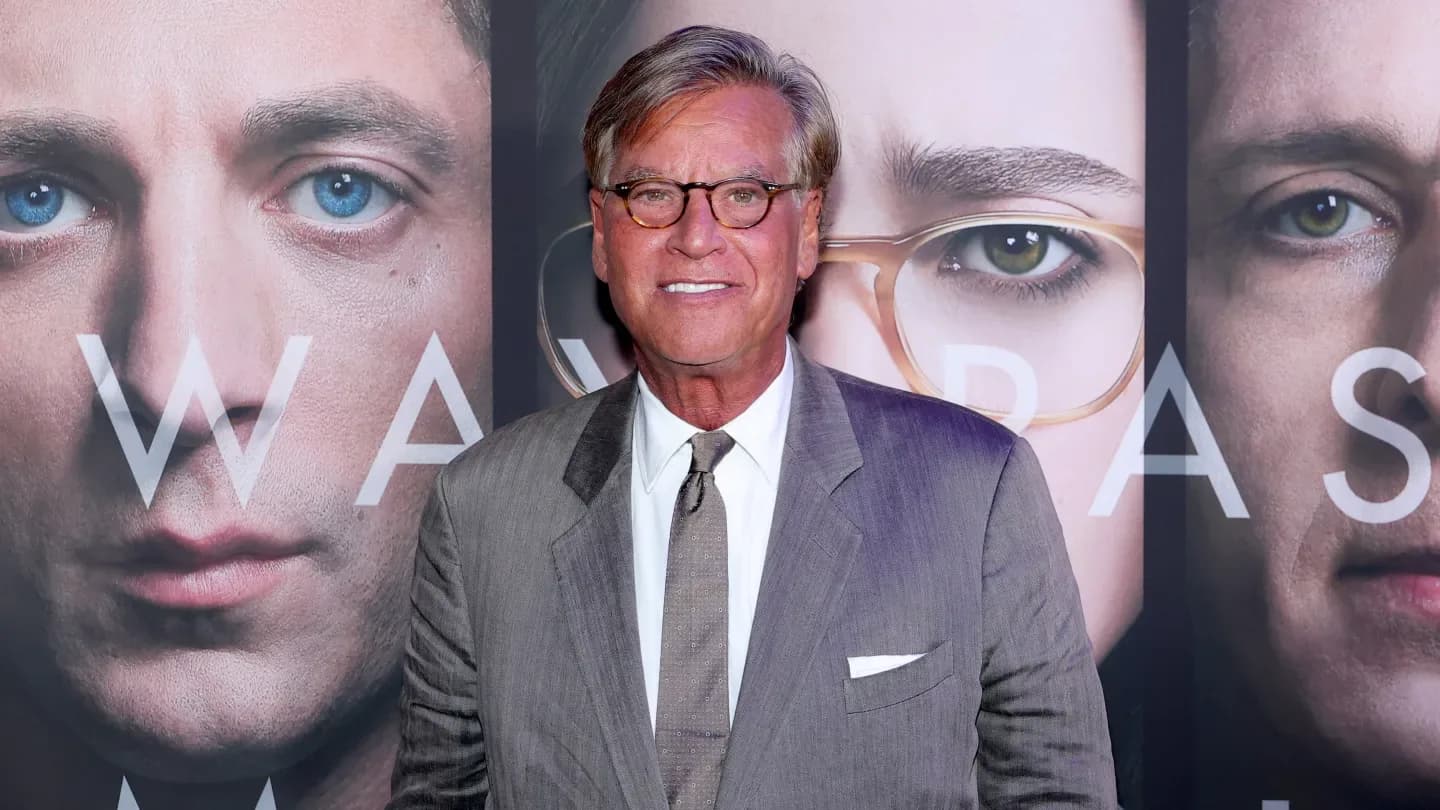
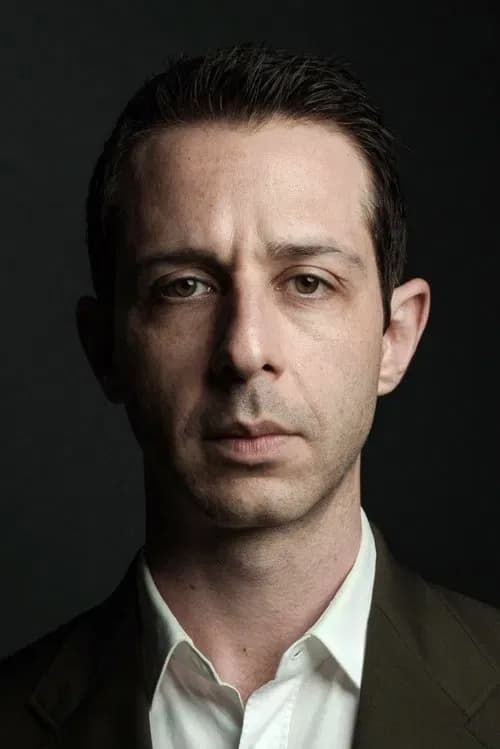
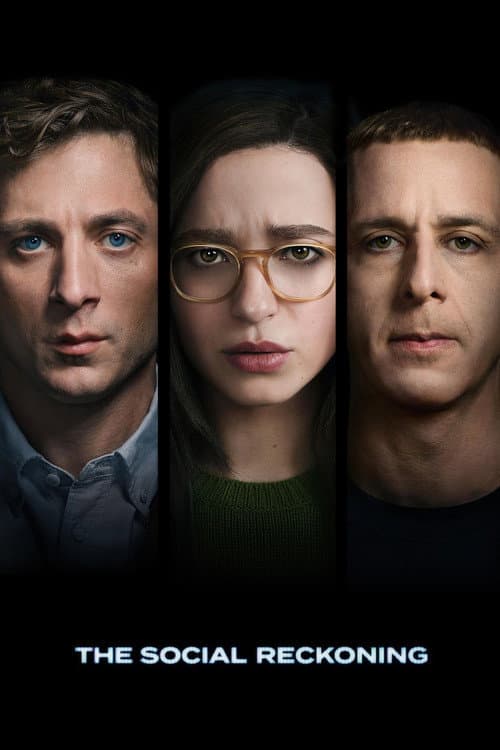
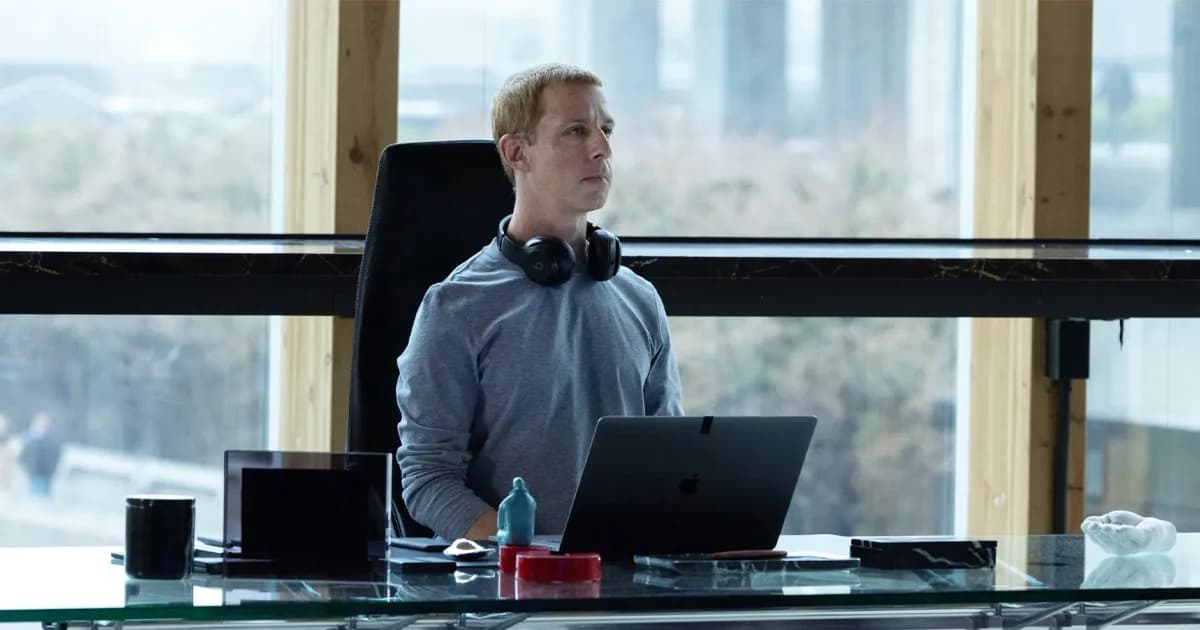
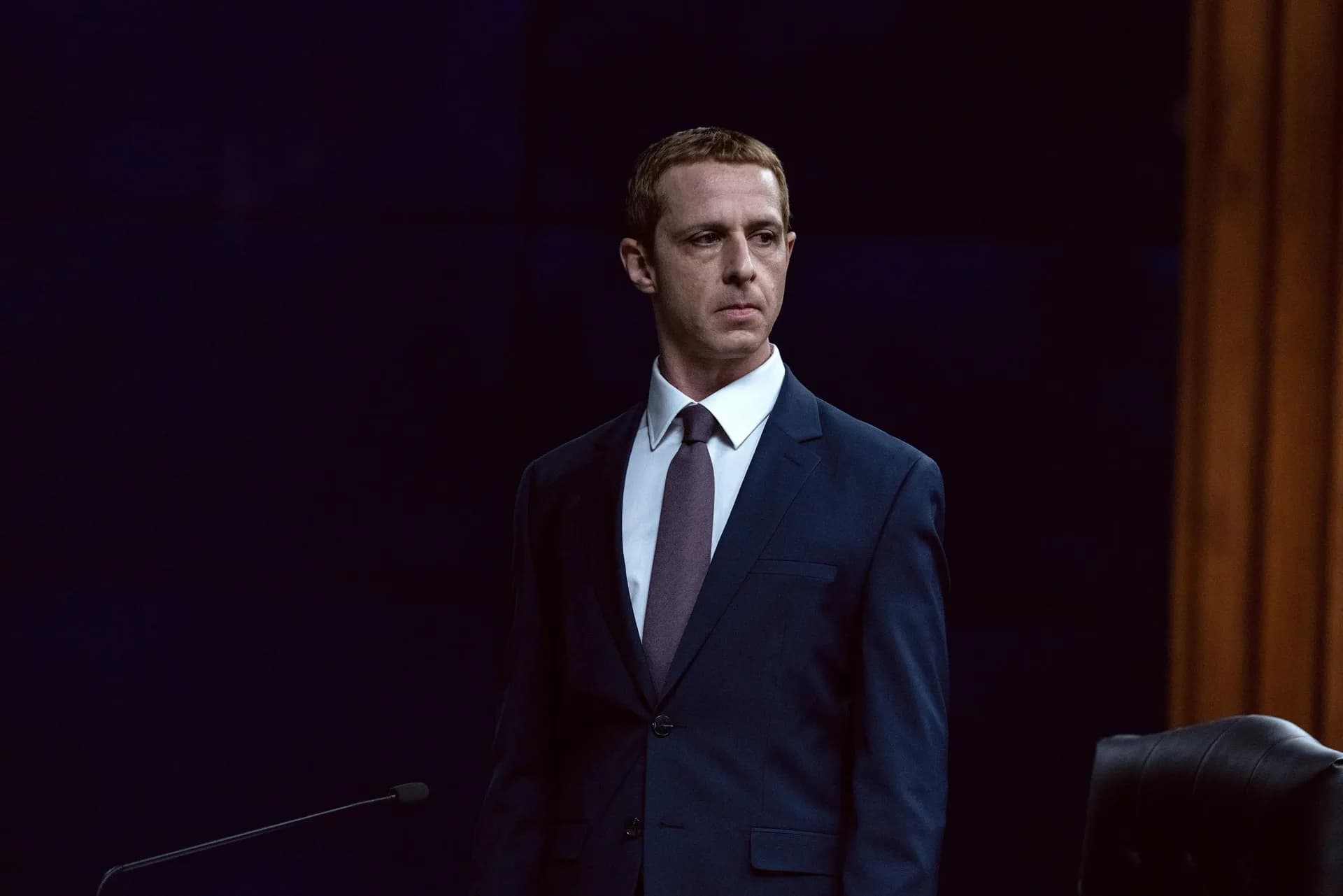
Jeremy Strong steps into the role of Mark Zuckerberg in The Social Reckoning, but this time, he’s not the center of the story. Aaron Sorkin made that clear at the New York premiere, where he described the film not as a sequel to The Social Network — which he once called a cautionary tale, but as a new movie he wrote “pretending I had never written The Social Network.” The shift in focus is deliberate.
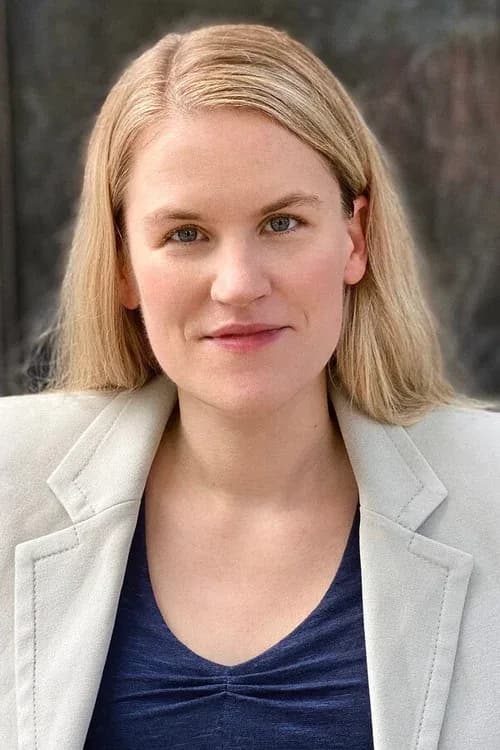
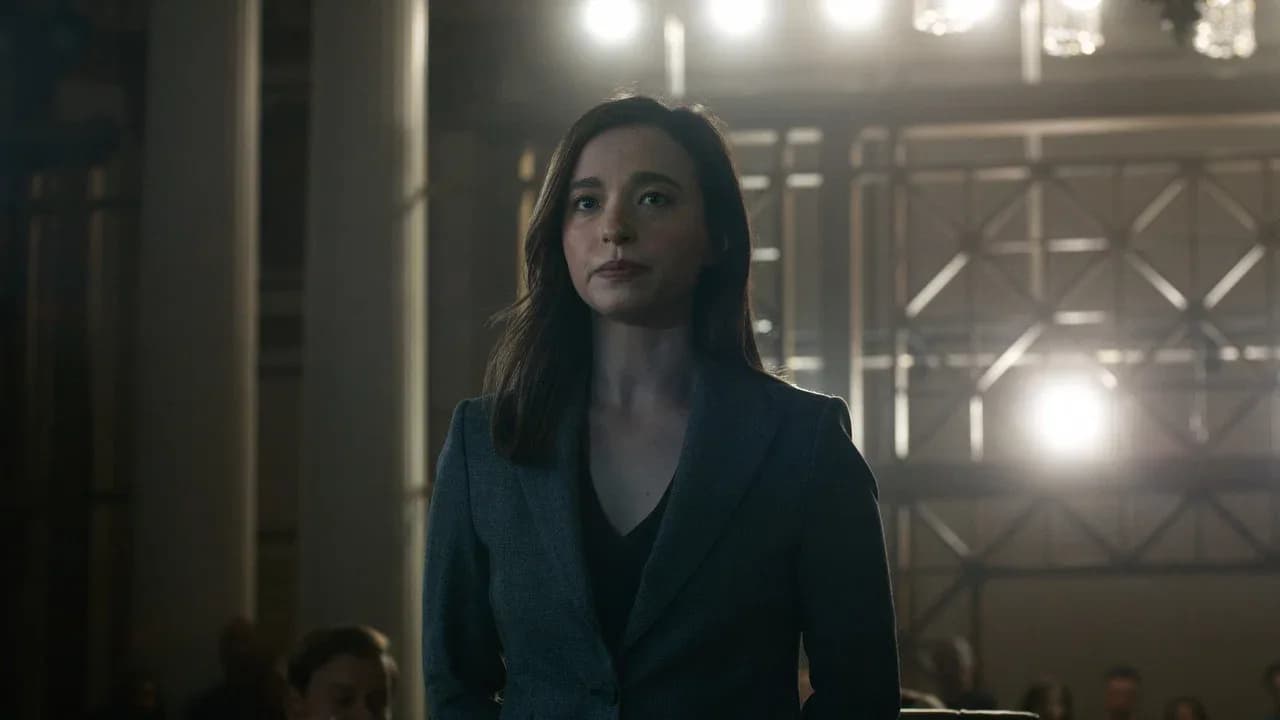
This time, the narrative pivots on the 2021 Facebook whistleblower leak, led by Frances Haugen, portrayed by Mikey Madison, and reported on by Jeff Horwitz, played by Jeremy Allen White. Sorkin insisted the change wasn’t driven by fear of backlash or a desire to reframe the earlier film. It was demanded by the story itself.
Zuckerberg, now worth $120 billion with a company valued at a trillion dollars and serving three billion users, has long since outgrown the image of a college dropout building a social network. He’s become part of something larger: an algorithmic ecosystem that shapes what each person sees, thinks, and believes.
‘We’re all living in our own world,’ Sorkin said. The film doesn’t shy from the consequences. White, who plays Horwitz, revealed his own shift in perspective while preparing for the role. ‘I gave these companies the benefit of the doubt before,’ he admitted.
‘I thought maybe it was just the genie out of the bottle. But the truth is, they understand exactly what’s going on. It’s purposeful.’ That intent. To capture attention, dominate feeds, manipulate engagement, is central to the film’s argument.
Bill Burr, portraying Zuckerberg’s legal counsel, didn’t hold back either. He dismissed the idea of corporate innocence. ‘They’ve made synthetic heroin. They’ve killed like 90 people with Waymo cars and just get a fine.’ For him, Meta isn’t a neutral platform.
It’s a powerful entity operating with impunity. Sorkin and Sony chief Tom Rothman both rejected the label of villain for Zuckerberg. ‘He’s making bad decisions that are hurting us,’ Sorkin acknowledged. But in dramatist terms, he’s not a villain.
A villain wants revenge, money, destruction. Zuckerberg, according to Sorkin, still believes in connection. His intentions are good. But his methods?
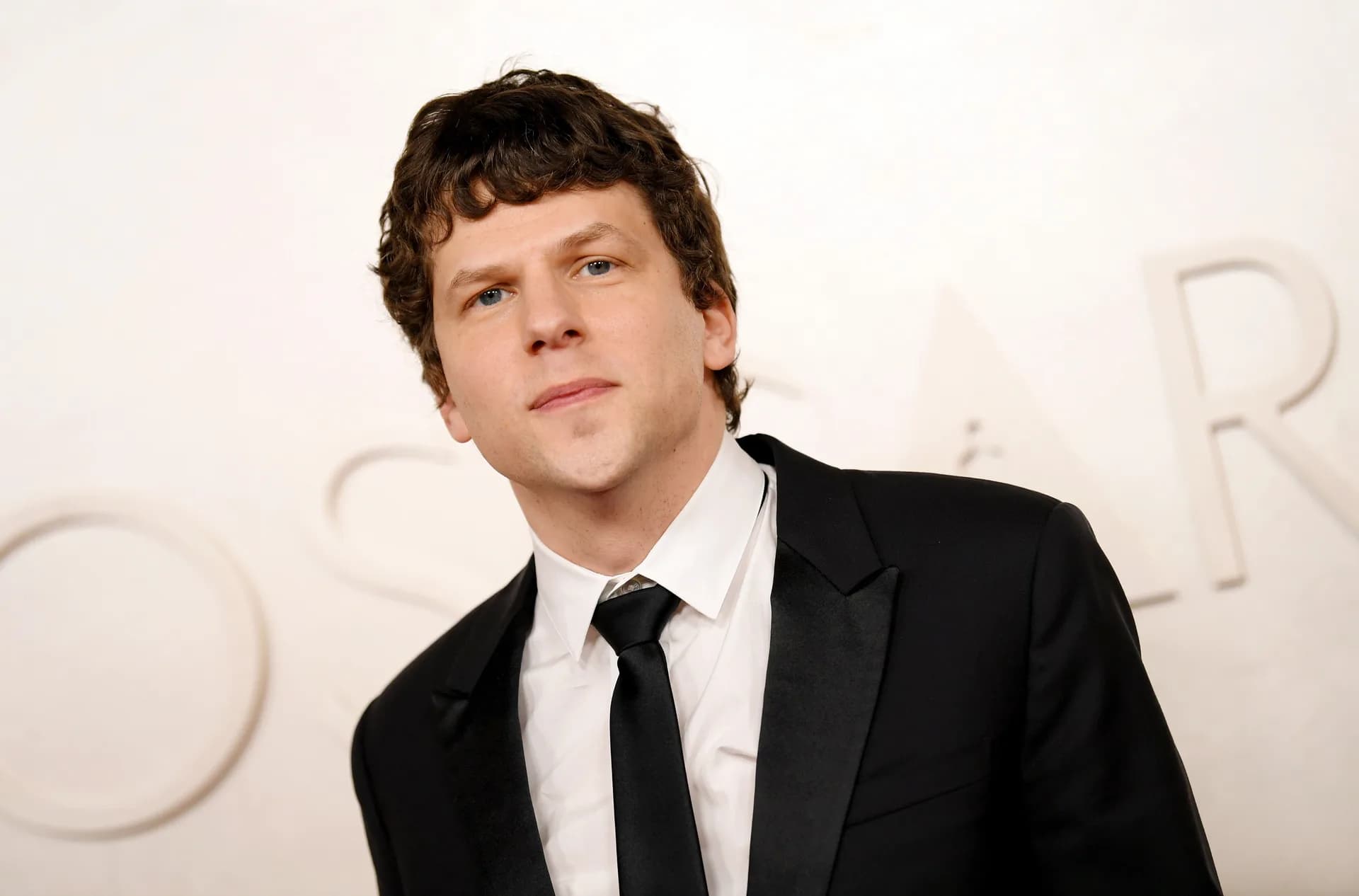
Flawed. Dangerous. That’s the antihero. And Strong, who took over the role after Jesse Eisenberg declined to return, said Sorkin’s writing was key to understanding the character.
‘Aaron is always examining the fault lines in our society,’ he told reporters. ‘All I can do is try to be as accurate and truthful as I can.’ He’s not here to judge. He’s here to render. The film arrives in theatres next month.
No fanfare. No grand announcement. Just a quiet, sharp look at the world we live in. One where the real threat isn’t a single man, but the system he helped build.
And the question it leaves hanging: when everyone’s fed different truths, who decides what’s real?

Be the first to comment
Join the argument. No password, just your email or a passkey.