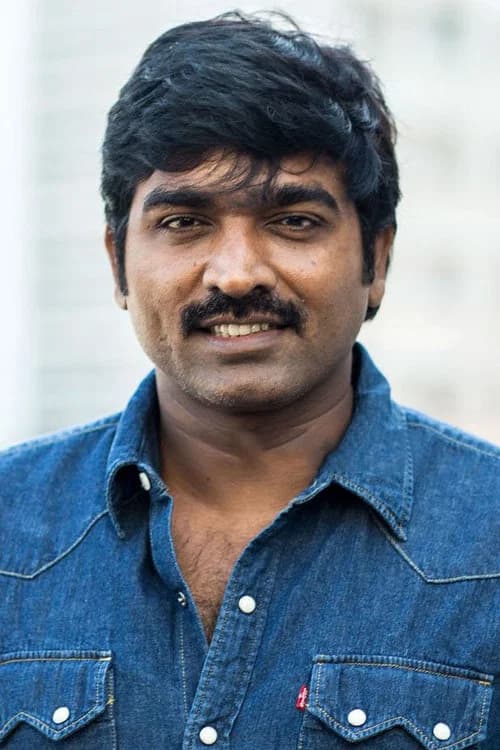
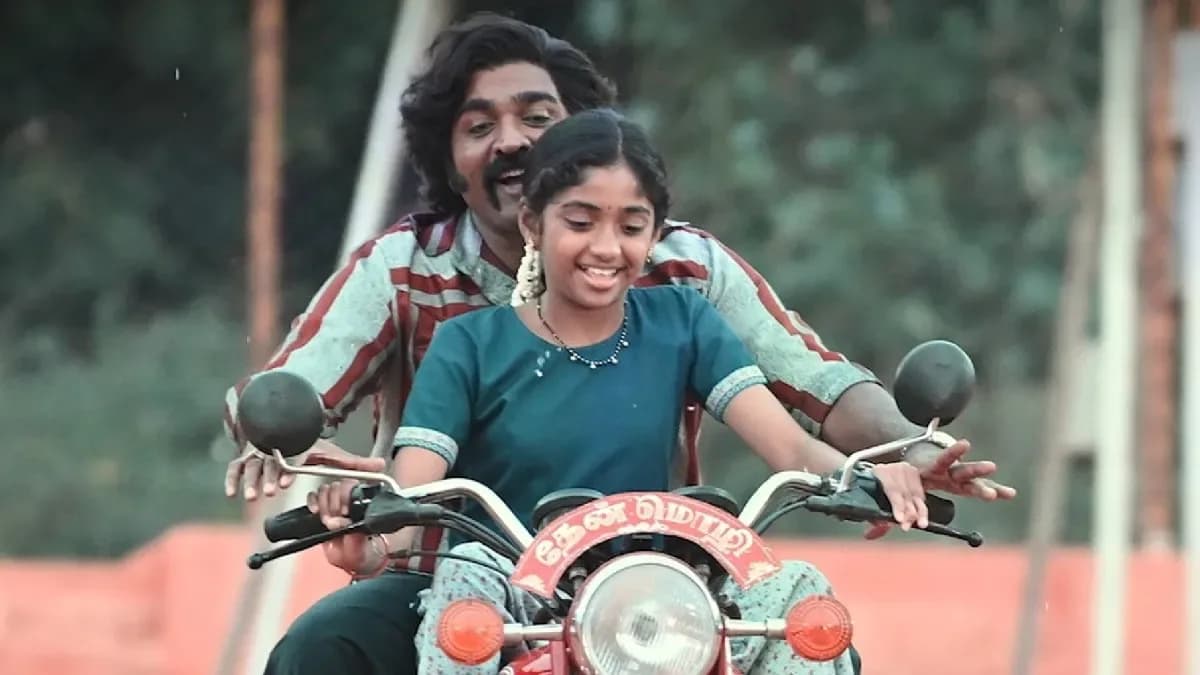
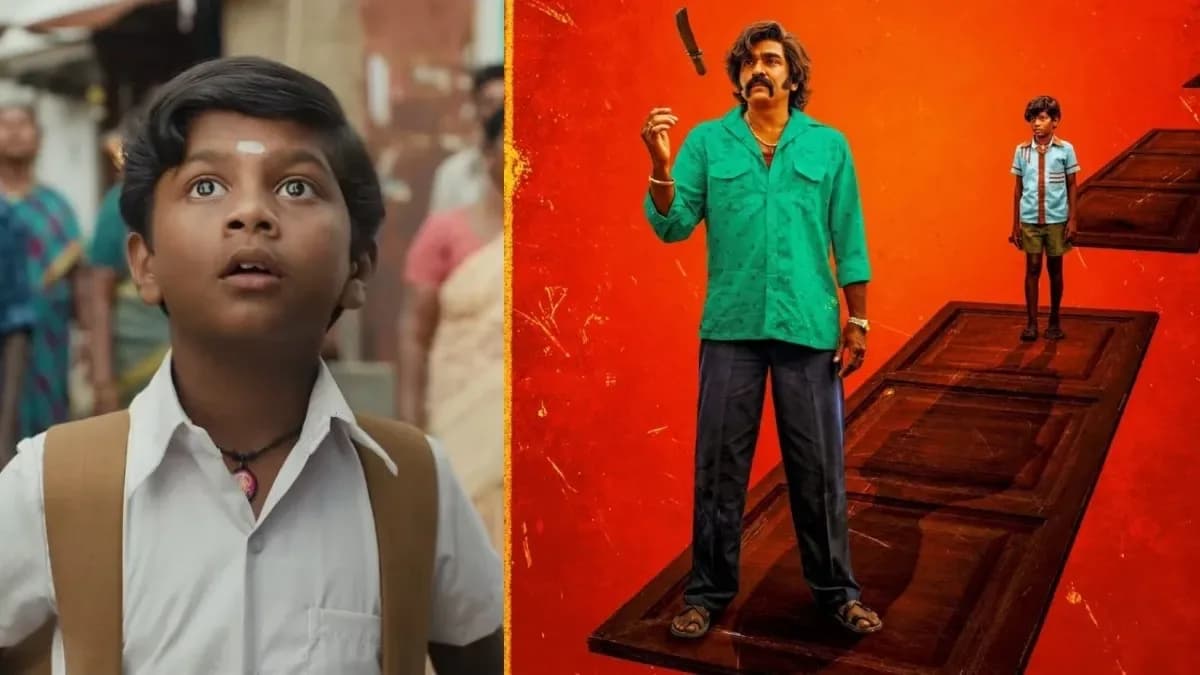
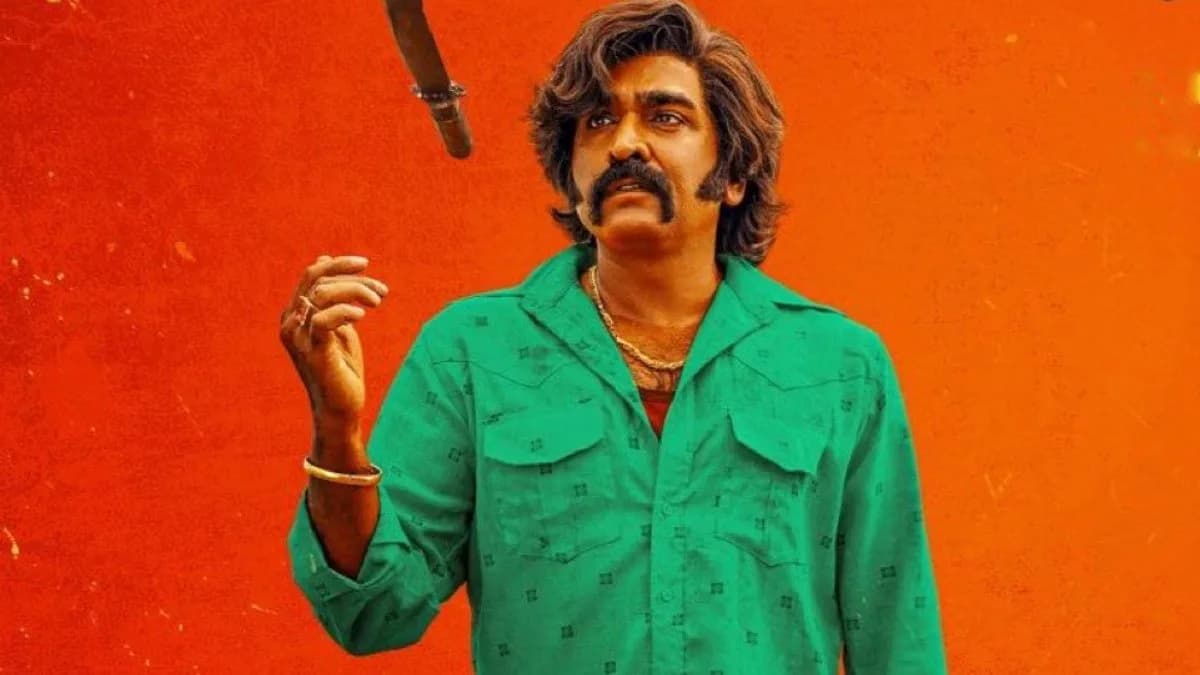
Baththa’s final scene isn’t a victory lap. It’s a quiet surrender. Vijay Sethupathi, as the man once known as Baththa, sits at his kitchen table in October 2026, accepting a plate of food from his wife without flinching. No threats. No rage. Just a hand reaching out — his own, trembling slightly, and a meal served in silence. The transformation wasn’t sudden. It wasn’t even earned through blood. It came from eight years old, a boy named Sabari, who locked him in a school bathroom and never meant to change the world. But he did. Pinkvilla’s breakdown of the film’s ending confirms what audiences have been whispering since opening weekend: this isn’t a redemption arc built on violence or revenge. It’s one forged in isolation, guilt, and the unbearable weight of being seen. Baththa, the feared outlaw of 1986 Madras, spent years terrorising streets and his own home with equal ferocity. His family lived under his shadow. Kanimaa, Thenmozhi, silent witnesses to a man whose power was measured in fear. Then Sabari, an innocent kid, made a mistake. Locked him in. Ran. And stayed gone. For days. Until guilt pulled him back. Not to escape punishment, but to offer bread and water through a crack in the door. Their conversations. Awkward, hesitant, sometimes cruel, became the first cracks in Baththa’s armor. He didn’t just hear Sabari’s voice. He heard himself. The way he spoke to his daughter. The way he treated his wife. The way he’d laughed when someone screamed. The real prison wasn’t the restroom. It was the self he’d built. And it took a child’s courage to finally open the door. When he stepped out, weakened, humbled, the gang expected war. He gave them silence. Walked away. Left the life behind. Balaji Tharaneetharan’s film doesn’t glorify change. It makes you feel its cost. The last shot. A simple meal, a shared space, isn’t peace. It’s the beginning of something harder: living with what you’ve done. And for now, that’s enough. The question isn’t whether Baththa changed. It’s whether anyone else will.
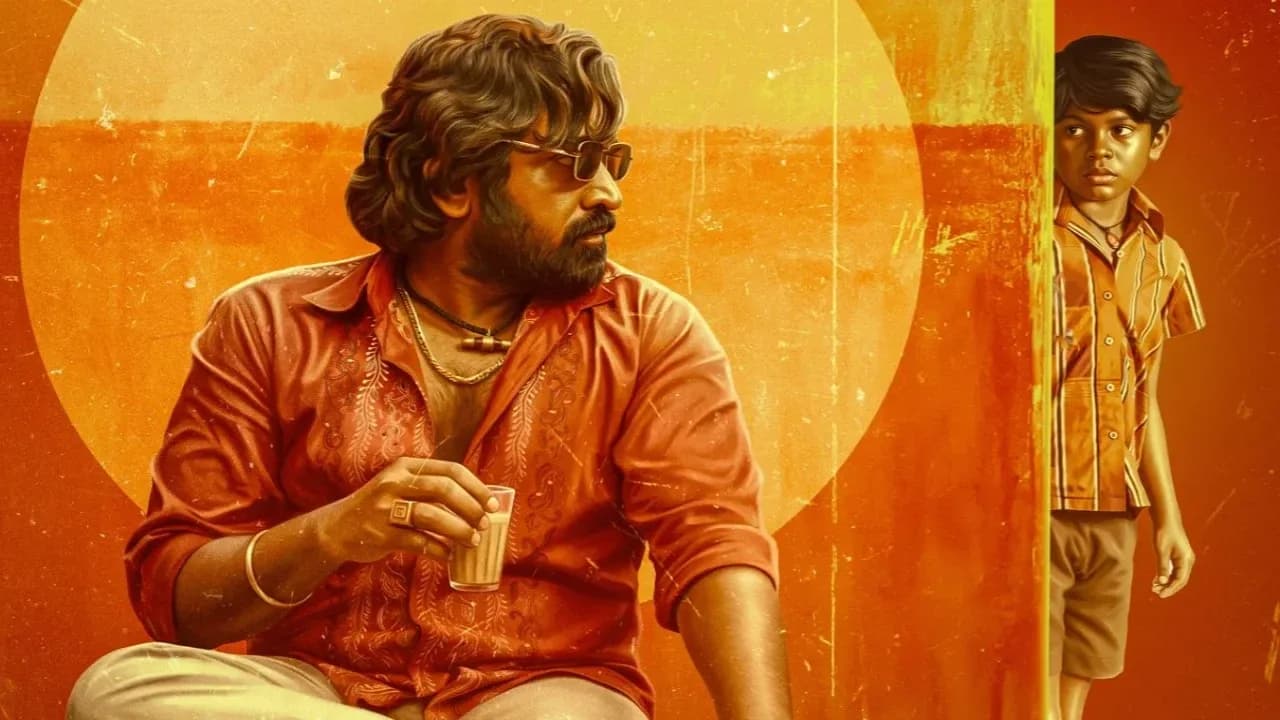 Photo via PINKVILLA
Baththa Ends With a Plate of Food, Not a Gun
Baththa ends not with a bang, but a plate of food. Vijay Sethupathi’s outlaw walks away from violence—not because he won, but because he finally saw himself.
In this story
Live site hype
around 2 reading right now · 272 today
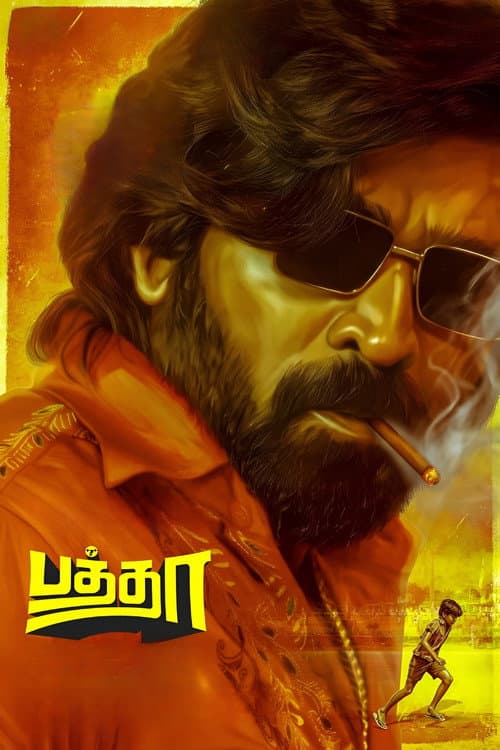
About the film
Baththa
1 October 2026 · in theatres · cast, trailer and release details
Reported from
This article was written by the CutMirchi desk from the reporting above. Facts are attributed to their original publishers.
Read next
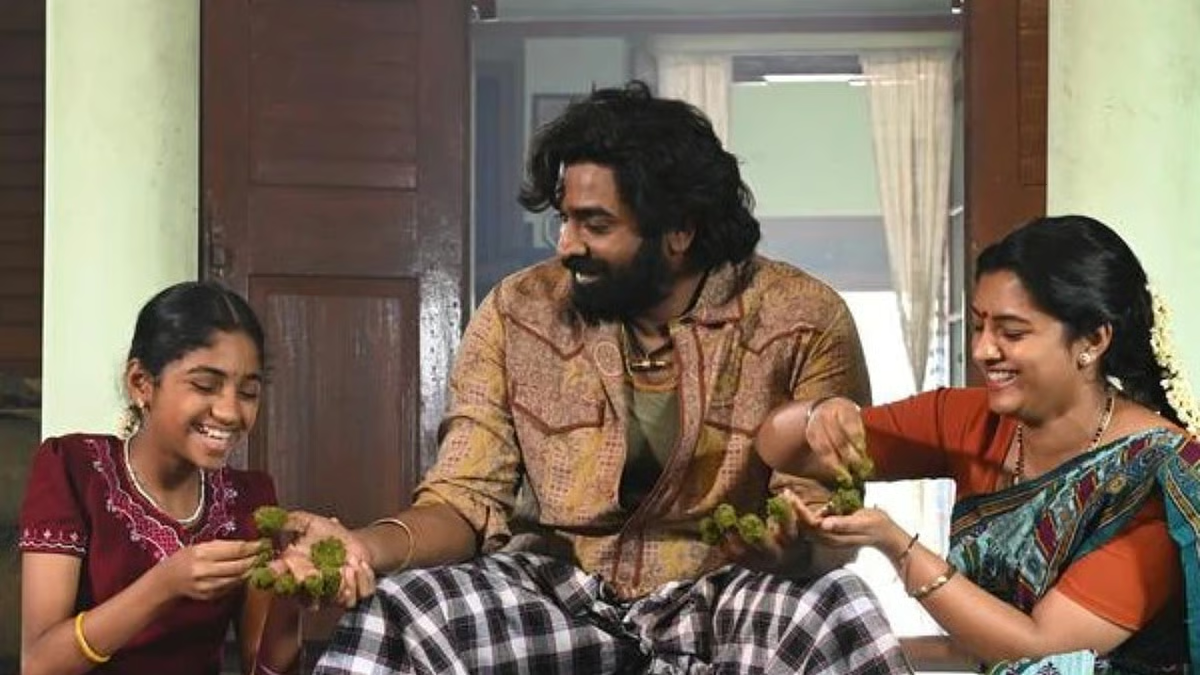
Baththa Movie Collection: Vijay Sethupathi’s Film Holds Steady After First Monday Dip
Baththa’s box office run has held steady through its first Monday, collecting ₹1.5 crore gross on Day 5 — a drop of just 13% from its opening Thursday haul. The Vijay Sethupathi-starrer, released without fanfare on October 1, has now crossed ₹13.18 crore gross in India, with net collections at ₹11.35 crore. That’s not a blockbuster, but it’s far from a bust.
Vijay Sethupathi's Baththa Crosses Rs 11 Crore In Four Days
Vijay Sethupathi's Baththa has collected Rs 11.68 crore gross in four days, topping last week's new Tamil releases, with child actor Sai's emotional climax scene driving word of mouth.
Vijay Sethupathi's Baththa Crosses Rs 6.95 Crore In Three Days
Baththa, directed by Balaji Tharaneetharan and starring Vijay Sethupathi alongside Lijomol Jose, has collected Rs 6.95 crore over three days, with critics and audiences praising both its genre twist and young actor Sai.
Vijay Sethupathi's Baththa Doubles Up With 80% Day Two Jump
Vijay Sethupathi's Baththa had a quiet Thursday opening of 1.5 crore net but jumped 80% on Friday to 2.7 crore, taking its two-day India total past 4 crore.
Be the first to comment
Join the argument. No password, just your email or a passkey.