
Baththa hits screens on Friday, October 13 — and with it, Vijay Sethupathi’s third collaboration with Balaji Tharaneetharan lands with the quiet confidence of a man who knows his way around a flawed heart. Set in Madras, 1986, the film isn’t about gang wars or revenge plots. It’s about a man who’s spent years being feared, suddenly learning that fear doesn’t always command respect, especially when faced with a schoolboy named Sabari (Sai Prithviraj), whose innocence is less a weapon than a mirror. The premise sounds like a Tamil indie staple: a moral reckoning wrapped in comedy. But Baththa leans into its own rhythm, letting the absurdity of a hardened gangster floundering in a world where intimidation fails to work on children carry the weight of something deeper. Sethupathi, as Baththa, delivers a performance that’s equal parts bluster and vulnerability. He’s not playing a villain. He’s playing a man who’s forgotten how to be human. And that’s what makes the film’s most potent moments land. Not in grand speeches, but in small failures: a raised voice that dies in silence, a threat that collapses into confusion. The chemistry between him and Sai Prithviraj is the film’s spine. Their exchanges aren’t forced. They’re lived-in. There’s no script for how a gangster learns to listen. But here, it happens through awkward pauses, mistaken assumptions, and one particularly memorable scene where Baththa tries to impress Sabari by pretending to know the lyrics to a popular song, and fails spectacularly. That moment, simple as it is, says more about character than any monologue could. Lijomol Jose as Kanima, Baththa’s wife, holds her ground without becoming a martyr. Her quiet presence reminds us that redemption isn’t just a personal journey. It’s a shared burden. The production design nails the era: the flicker of old TV sets, the smell of street food from roadside stalls, the way clothes hang differently in a time before smartphones. But the film stumbles with consequences. Baththa changes. But does anyone else? The people he’s hurt, his family, his associates. Don’t get much space to react. The screenplay treats transformation as a solo act, which leaves the emotional stakes feeling unbalanced. Pacing wavers too. The middle section, where the duo’s odd-couple dynamic thrives, is tight and warm. The final stretch, however, drags. Some tonal shifts feel jarring, one minute, you’re laughing at a misunderstanding over a school project. The next, you’re sitting through a scene that demands grief, with little build-up. Still, the film’s heart remains intact. It’s not a perfect redemption arc. It’s not even a complete one. But it’s honest. And in a year where every big release feels like a battle cry, Baththa whispers instead. It’s not trying to win. It just wants to be seen. For now, that’s enough.
 Photo via Filmfare
Baththa: When a Gangster Learns to Listen
Vijay Sethupathi’s Baththa is a slow-burn redemption tale set in 1986 Madras — and it works best when it stops trying to be profound.
In this story
Live site hype
around 2 reading right now · 257 today
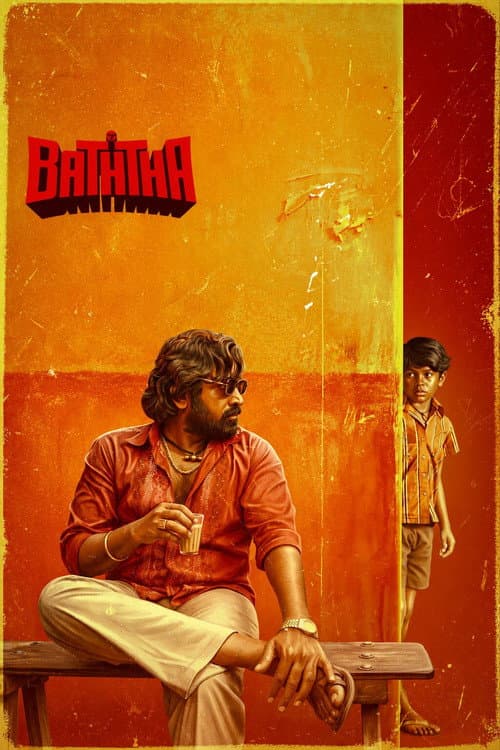
About the film
Baththa
1 October 2026 · in theatres · cast, trailer and release details
Reported from
This article was written by the CutMirchi desk from the reporting above. Facts are attributed to their original publishers.
Read next
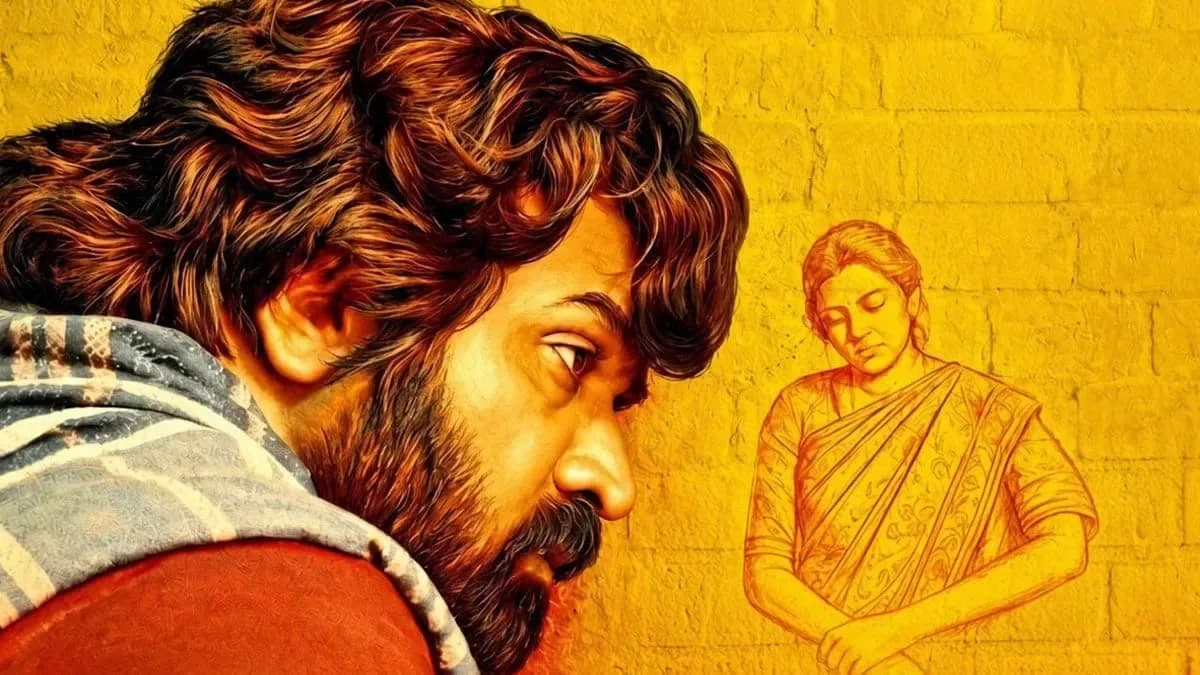
Vijay Sethupathi's Baththa Loses Steam On Day 12, Nears ₹25 Crore Net
Vijay Sethupathi's Baththa collected ₹1.20 crore net on Day 12, a sharp fall from its second-weekend high, pushing its India total to ₹24.61 crore as the film enters weekday territory again.

Baththa Crosses ₹23 Crore India Net, Still Holding Strong After 11 Days
Baththa crosses ₹23 crore India net — and still climbing. The Tamil action drama, starring Vijay Sethupathi and Lijomol Jose, has quietly outlasted expectations, logging a 3.2% uptick on Sunday with ₹3.20 crore in collections. That’s Day 11, and the film’s cumulative India net now stands at ₹23.41 crore, with gross collections at ₹27.08 crore.
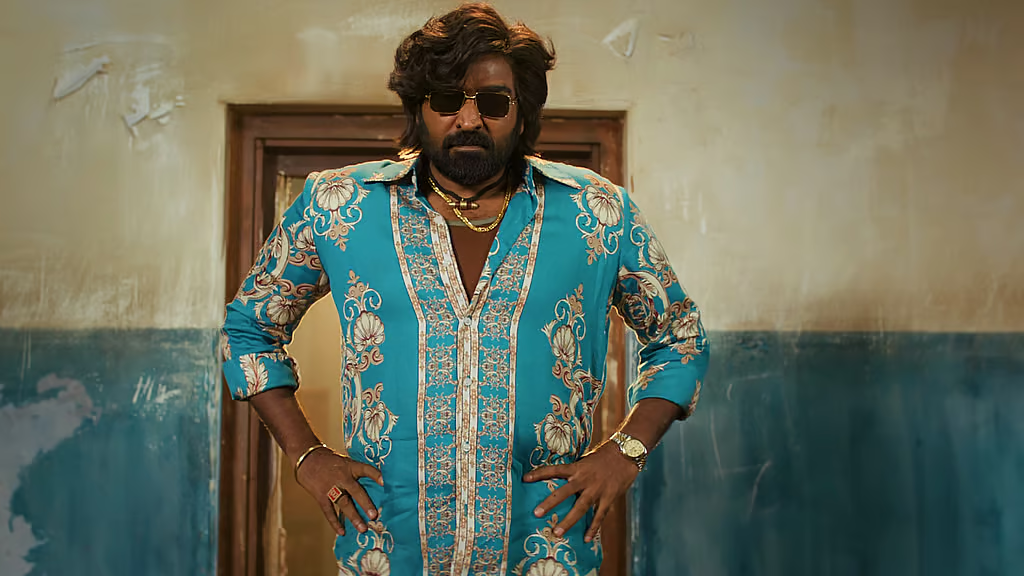
Kerala's Love for Baththa Moves Sethupathi to Thanks
Kerala’s embrace of Baththa defies expectations. Vijay Sethupathi’s quiet gratitude speaks louder than any marketing campaign.
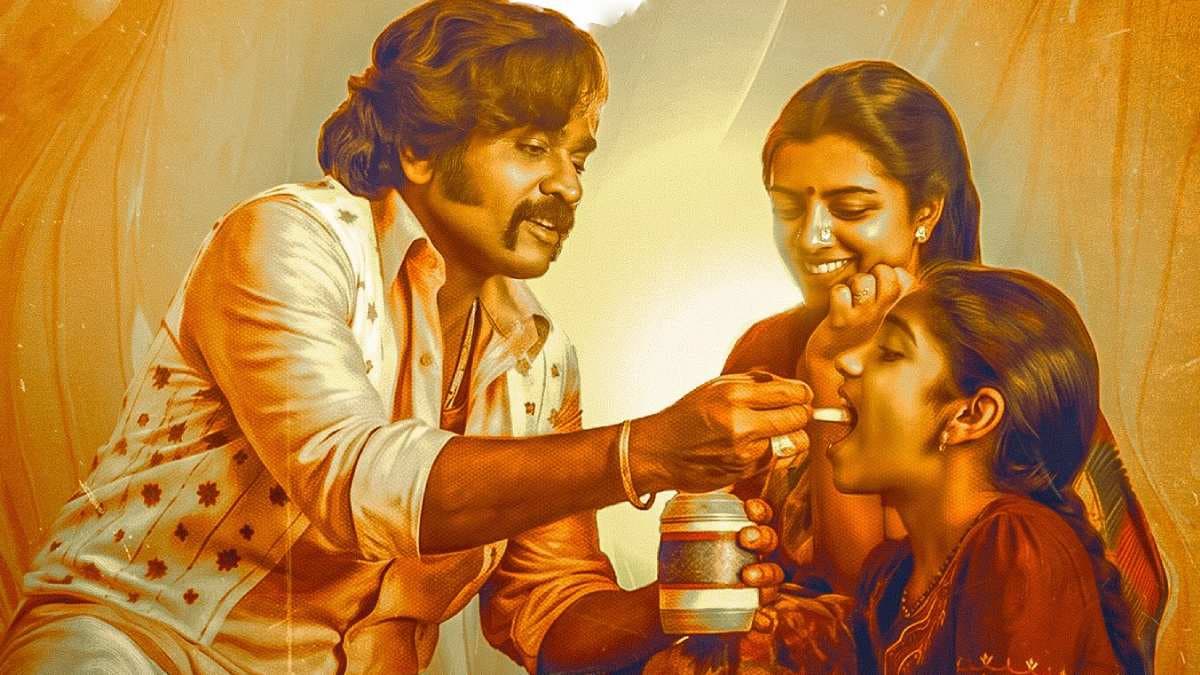
Baththa Surges Past Opening Week, Eyes 20 Crore Mark
Vijay Sethupathi’s Baththa is on track to cross 20 crore net in India, aiming to surpass his own Merry Christmas after a strong second-week surge.
Be the first to comment
Join the argument. No password, just your email or a passkey.