
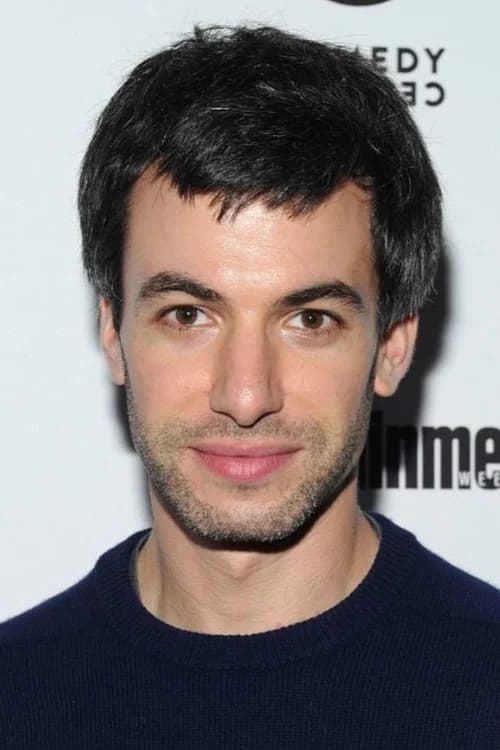
Elizabeth Holmes’ story isn’t just a footnote anymore. Nathan Fielder and Lance Oppenheim’s documentary You Can See Everything, which examines the rise and fall of the Theranos founder, has earned five nominations at the 11th annual Critics Choice Documentary Awards — placing it in the same category as Ava DuVernay’s 14th, which leads with six nods, and David Greaves’ Once Upon a Time in Harlem. The film, released by A24, is up for Best Documentary Feature, along with Best Political Documentary, Best Historical Documentary, Best Director (Fielder and Oppenheim), and Best Editing (Adam Locke-Norton). Deadline reported the full list of nominees Tuesday, with the winners set to be announced on November 8 at The Edison Ballroom in Manhattan, hosted by Ross Mathews. The event also honors Ron Howard with the Critics Choice Impact Award for his body of work in nonfiction storytelling, including Avedon (2026), Jim Henson Idea Man (2024), and We Feed People (2022). Jehane Noujaim will receive the Pennebaker Award, named in tribute to D.A. Pennebaker and presented by his widow, Chris Hegedus. The awards recognize feature-length documentaries, two-part docs, and short-form films released commercially in the U.S. Between January 1 and December 31, 2026, whether theatrically or via streaming. You Can See Everything stands out not just for its subject but for how it frames her, less as a villain, more as a constructed myth. The film uses archival footage, surreal reenactments, and layered narration to explore how Holmes cultivated an image of genius, ambition, and inevitability. That approach has drawn attention from critics and industry insiders alike. While the film hasn’t yet opened wide, its presence in the top tier of nominations suggests it’s being seen as more than a retread of the Theranos scandal. It’s being read as a commentary on power, media, and the American dream gone wrong. And with the awards season now underway, the question isn’t just who wins. It’s whether this moment repositions Holmes not as a failed entrepreneur, but as a cultural case study. The conversation around her isn’t over. It’s just beginning again.
 Photo via Deadline
Elizabeth Holmes Documentary Nominated For Critics Choice Awards
The Elizabeth Holmes doc lands five Critics Choice nominations — and suddenly, the Theranos story isn’t just history. It’s a live debate.
In this story
Live site hype
around 2 reading right now · 261 today
Reported from
- Deadline — Critics Choice Documentary Awards Nominations: ‘14th’ Nabs 6; Elizabeth Holmes Doc, ‘Once Upon A Time In Harlem’, ‘Nuisance Bear’ Land 5 Each
- IndieWire — ’14th’ Leads 2026 Critics Choice Documentary Award Nominations
This article was written by the CutMirchi desk from the reporting above. Facts are attributed to their original publishers.
Read next

A24's Elizabeth Holmes Doc Sells Out Alamo Drafthouse
You Can See Everything is already selling out at Alamo Drafthouse — and not just because it’s a doc about Elizabeth Holmes. The A24 documentary, directed by Lance Oppenheim and Nathan Fielder, has hit record presales for any film in the chain’s history, trailing only Avengers: Doomsday in ticket demand.

You Can See Everything lands at IDFA, alongside Musk and White Tiger Column
You Can See Everything, the Nathan Fielder and Lance Oppenheim documentary on Elizabeth Holmes, is heading to IDFA. The film—already a sensation after its Telluride premiere—has been added to the International Documentary Festival Amsterdam’s 2026 lineup, where it will screen in the festival’s main competition.
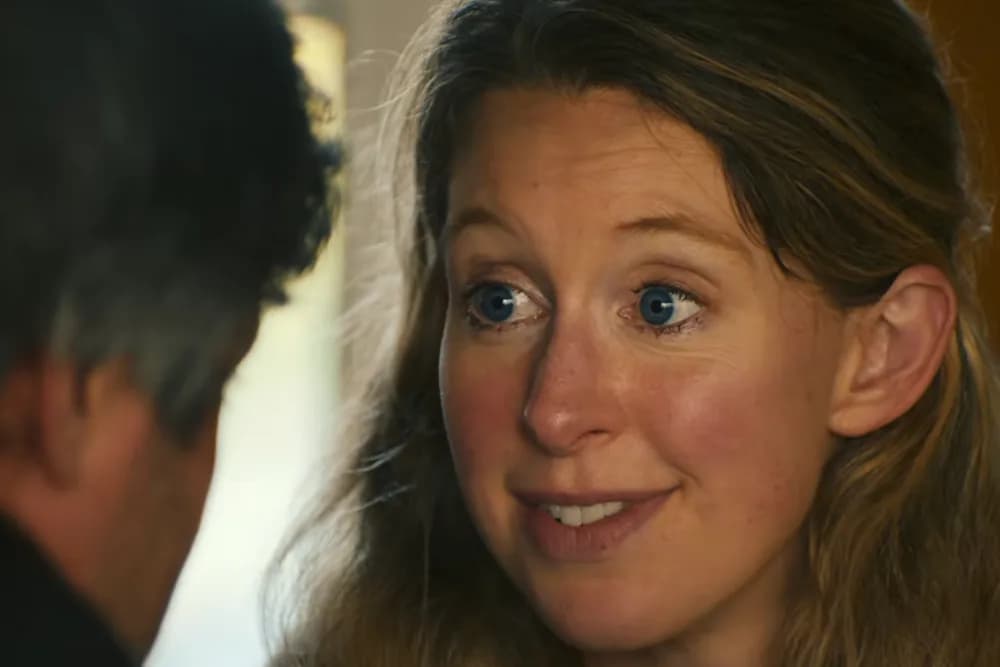
You Can See Everything: Fielder’s Elizabeth Holmes Doc Hits UK Theatres in November
A24 has set November 20 as the U.K. release date for Nathan Fielder and Lance Oppenheim’s Elizabeth Holmes documentary 'You Can See Everything', following its surprise premiere at Telluride. The film, which captured Holmes in the weeks before her 11-year prison sentence, will open in U.S. theaters on October 16.

Elizabeth Holmes Documentary Gets Surprise R-Rating For Nudity
Nathan Fielder's Elizabeth Holmes documentary 'You Can See Everything' has landed an R-rating from the MPA, citing graphic nudity and language, ahead of its October 16 theatrical release.
Be the first to comment
Join the argument. No password, just your email or a passkey.