Eva Marie Saint, Oscar-winner and Hitchcock icon, dies at 102. The last living 1950s acting Oscar recipient leaves behind a legacy of intelligence, grace, and quiet rebellion.
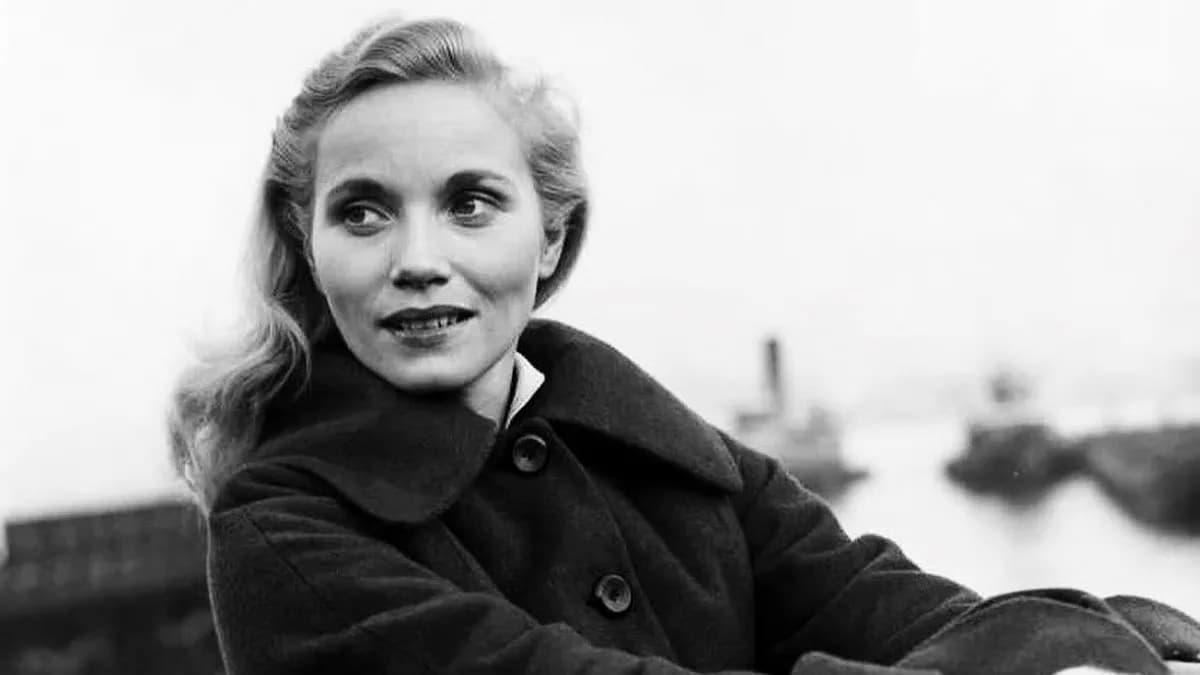
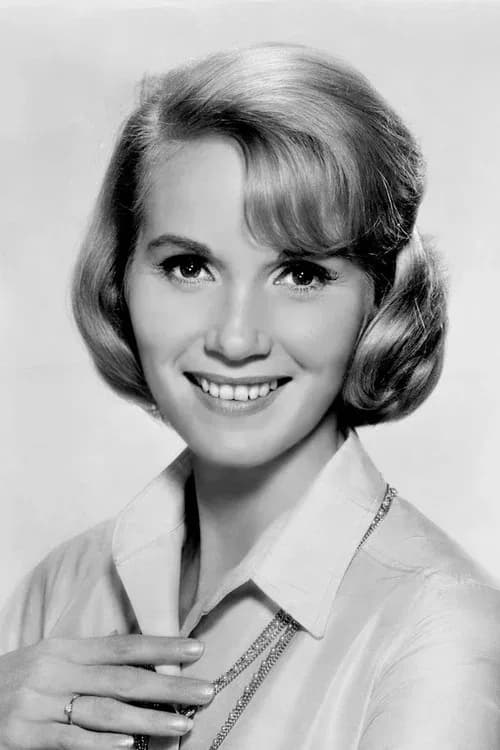
Eva Marie Saint, the Oscar-winning actress whose screen debut as Edie Doyle in On the Waterfront became a defining moment in American cinema, has died at 102. She passed away Tuesday at her Los Angeles home of natural causes, surrounded by family, according to her publicist. Her death marks the end of an era — she was the last living winner of an acting Academy Award from the 1950s.
The news was confirmed by multiple outlets, including Variety and Deadline, with tributes pouring in from across Hollywood. Her legacy isn’t just in the roles she played, but in how she redefined what a leading lady could be: intelligent, layered, unapologetically present. In North by Northwest, she didn’t just play a woman caught in a spy thriller, she out-thought Cary Grant’s character, delivered one of Hitchcock’s most iconic lines (“It’s going to be a long night”), and turned Eve Kendall into a figure of quiet power.
Yet, despite that performance, she wasn’t nominated for an Oscar. A glaring oversight that still echoes today. Born July 4, 1924, in Newark, New Jersey, Saint began her career not on film, but on radio and television, working as an NBC page before landing small parts in live TV dramas.
Her breakthrough came in 1953 on Broadway in The Trip to Bountiful, where she earned acclaim for playing Thelma, a kind-hearted stranger who shares a journey with an elderly woman returning to her roots. That same year, she made her way to the big screen with On the Waterfront, opposite Marlon Brando.
Her portrayal of the grieving sister of a murdered dockworker gave moral weight to Kazan’s masterpiece, and won her the Best Supporting Actress Oscar. It was a role that launched her into stardom, but also set the tone for her career: never a passive presence. She followed it with five major films in five years. A Hatful of Rain, Raintree County, Exodus, All Fall Down, and North by Northwest, each showcasing her ability to hold her own against legends.
Even when the films didn’t find commercial success, her performances were praised. After the mid-’60s, she shifted toward television, earning two Emmy nominations for Middle of the Night and Our Town, and later winning for People Like Us in 1990. She returned to film in the ’80s and ’90s with memorable turns in Nothing in Common, The Sandpiper, and Because of Winn-Dixie.
Her final screen appearance was in Winter’s Tale (2014), where she played a centenarian publisher. In 2018, she attended the Oscars to present the Best Costume Design award. And walked off the stage to a standing ovation. She was married to director Jeffrey Hayden for 65 years, until his death in 2016.
They had two children, four grandchildren, and two great-grandchildren. Her life spanned nearly a century of cinematic evolution, from silent-era radio to podcast voiceovers in her final years. She lived through the rise of television, the golden age of Hollywood, the decline of studio systems, and the digital shift. And yet, she remained a constant: a woman who believed in craft, in truth, in the power of a single line delivered with conviction.
She once said, “I don’t want to be remembered as someone who looked good.” She didn’t. She wanted to be seen. And she was.


Be the first to comment
Join the argument. No password, just your email or a passkey.