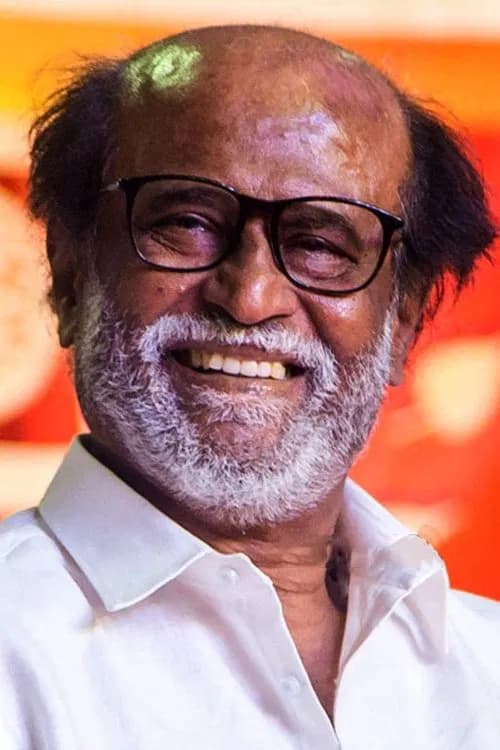
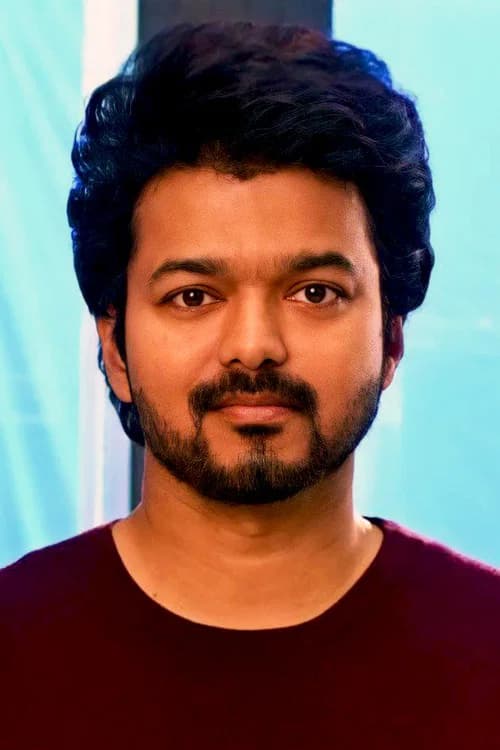
Deva, the veteran Tamil film music composer affectionately known as Thenisai Thendral — ‘a breeze of sweet music’, has passed away in Chennai at the age of 75. He died on October 17 after a reported heart attack, following his admission to a private hospital around 8:30 am. His final rites are yet to be announced, but tributes have begun flooding in from across the South Indian film industry and beyond. Born Devanesan Chokkalingam on November 20, 1950, to MC Chokkalingam and Krishnaveni, he was drawn to music early, performing with composer Chandra Bose and training in classical music under Dhanraj before entering cinema. His debut came with Maatukara Mannaru (1986), a film that didn’t do well commercially, but whose soundtrack earned critical attention. It was Vaikasi Poranthachu (1990) that truly launched his career, earning him his first Tamil Nadu State Film Award for Best Music Director. From there, his name became synonymous with the sound of a generation. He composed for some of Tamil cinema’s most iconic stars. Rajinikanth’s Baashha (1995), Annamalai (1992), and Arunachalam (1997). Vijay’s Deva (1995), Nerrukku Ner (1997), and Kushi (2000). And Ajith’s Kadhal Kottai (1996). His work extended into Telugu, Kannada, and Malayalam films, with over 400 projects credited to his name. But it was his deep connection to gaana, a musical tradition rooted in Chennai’s working-class neighborhoods. That defined his legacy. He didn’t just include gaana songs. He transformed them. The track ‘Kaavalaipadaathey Sagothara’ from Kadhal Kottai became a benchmark, proving that such rhythms could carry emotional weight and stay power in a theatrical setting. Directors once hesitated to place gaana numbers before climaxes, fearing audience walkouts. Deva changed that. He brought authenticity without spectacle, grounding cinematic emotion in lived experience. His ability to craft romantic melodies beyond his signature style also earned respect. Veteran composer MS Viswanathan bestowed upon him the title Thenisai Thendral, a tribute to the softness and grace of his compositions. He received the Kalaimamani award from the Tamil Nadu government and won both the Tamil Nadu State Film Award and the Filmfare Award for Best Music Director, first for Aasai (1995) and later for Amrutha Varshini (1997). He also played a key role in Sivappu Mazhai (2010), which entered the Guinness World Records for being the fastest-produced film from script to screen. Beyond music, he served as chairman of the Tamil Nadu Eyal Isai Nadaka Mandram and contributed hundreds of devotional albums throughout his career. His passing marks the end of an era. One where the pulse of the city found its voice in film scores. The silence where his melodies once lived is already being felt.
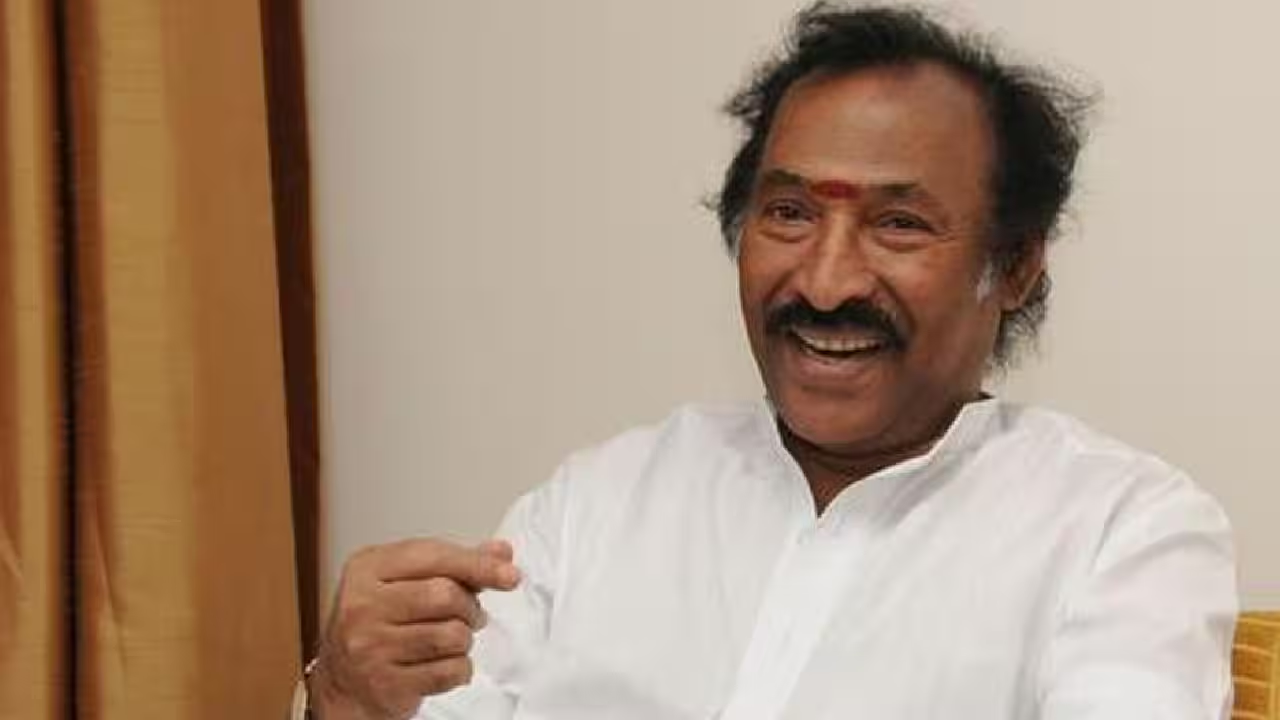 Photo via The Times of India Entertainment
Music composer Deva passes away at 75 in Chennai
The legendary Tamil film composer, known for blending gaana music into mainstream cinema, died after a heart attack on October 17.
In this story
Live site hype
around 1 reading right now · 74 today
Reported from
- Telugu360 - Movie News — Veteran Music Composer Deva is No More
- NDTV Movies — Veteran Tamil Music Composer Deva Dies At 75, Rajinikanth Pays Last Respects
- TeluguCinema.com — Baashha, Tholi Prema music composer Deva passes away
- The Times of India Entertainment — Who was Deva? The late music composer behind Rajinikanth’s title card
- The Times of India — Who was Deva? The late music composer behind Rajinikanth’s Superstar title card theme who took Gaana from
- The Sunday Guardian — Who Was Deva? Legendary Composer Behind Rajinikanth’s Iconic Intro Music Dies At 75, Leaving Tamil Cinema In Mourning
- The News Minute — Beloved music composer Deva passes away in Chennai
- LiveChennai — Music Composer Deva Dies at 75: Tamil Cinema Loses 'Thenisai Thendral'
This article was written by the CutMirchi desk from the reporting above. Facts are attributed to their original publishers.
Read next
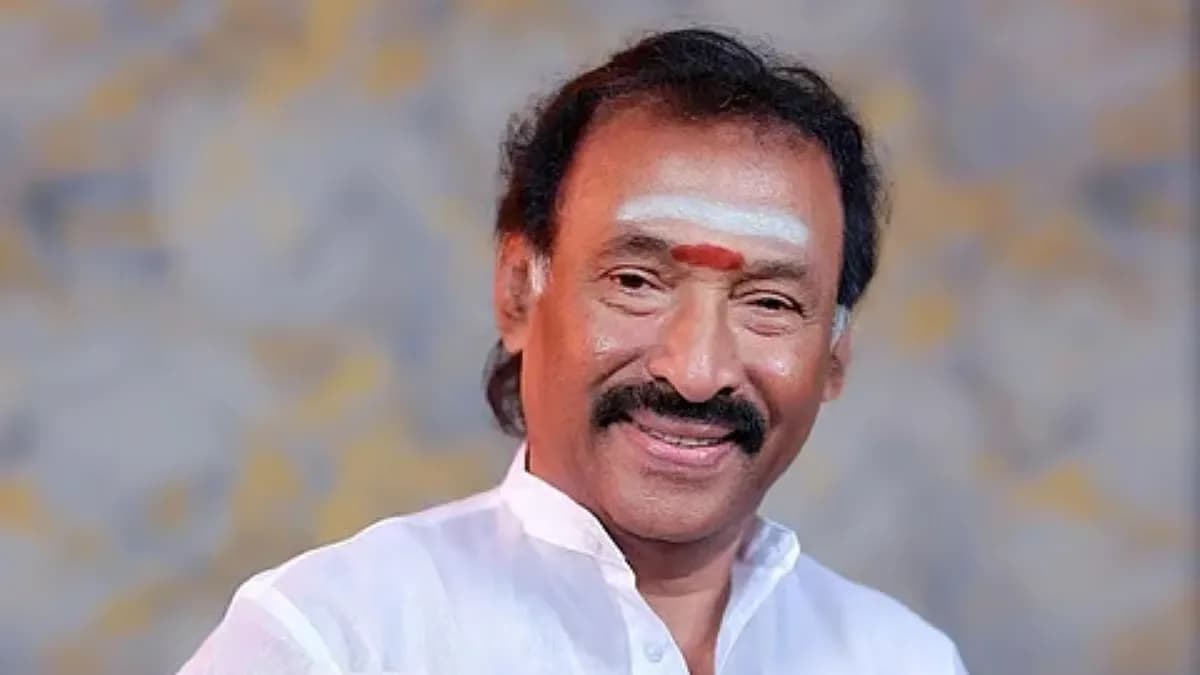
Tamil Music Director Deva Dies at 75 in Chennai
Deva, who shaped Tamil cinema’s sound with over 400 film scores, died at 75. His legacy includes iconic songs for Rajinikanth films like Annamalai and Baashha, and a lasting influence on gana music. His son Srikanth Deva is also a composer.
Jailer 2 box office collection day 3: ₹300 crore worldwide target in sight
Jailer 2 box office collection day 3: ₹300 crore worldwide target in sight — advance bookings surge 44% on Saturday, India hits 22.01 crore gross from pre-show sales alone.

Vidya Balan’s First Tamil Villain Role Comes With a Side of Nerves
Vidya Balan is stepping into darkness for the first time in Tamil cinema — as Kaantha in Jailer 2. Her role demands menace, but behind the scenes, she was reportedly overwhelmed by the presence of Rajinikanth. The film, set for January 2027, marks a bold turn for an actress long associated with strength, not malice.
Jailer 2 Skips Audio Launch, Rajinikanth Says He Pushed Nelson For Sequel
Ahead of its October 15 release, Jailer 2 got a private interview event instead of an audio launch, where Rajinikanth revealed he was the one who first asked Nelson Dilipkumar for a sequel.
Be the first to comment
Join the argument. No password, just your email or a passkey.