In a Facebook post, the producer recalls meeting nearly ten elected panchayat presidents whose lives, he says, mirrored the struggles Ra Saravanan's film first put on screen two years ago.
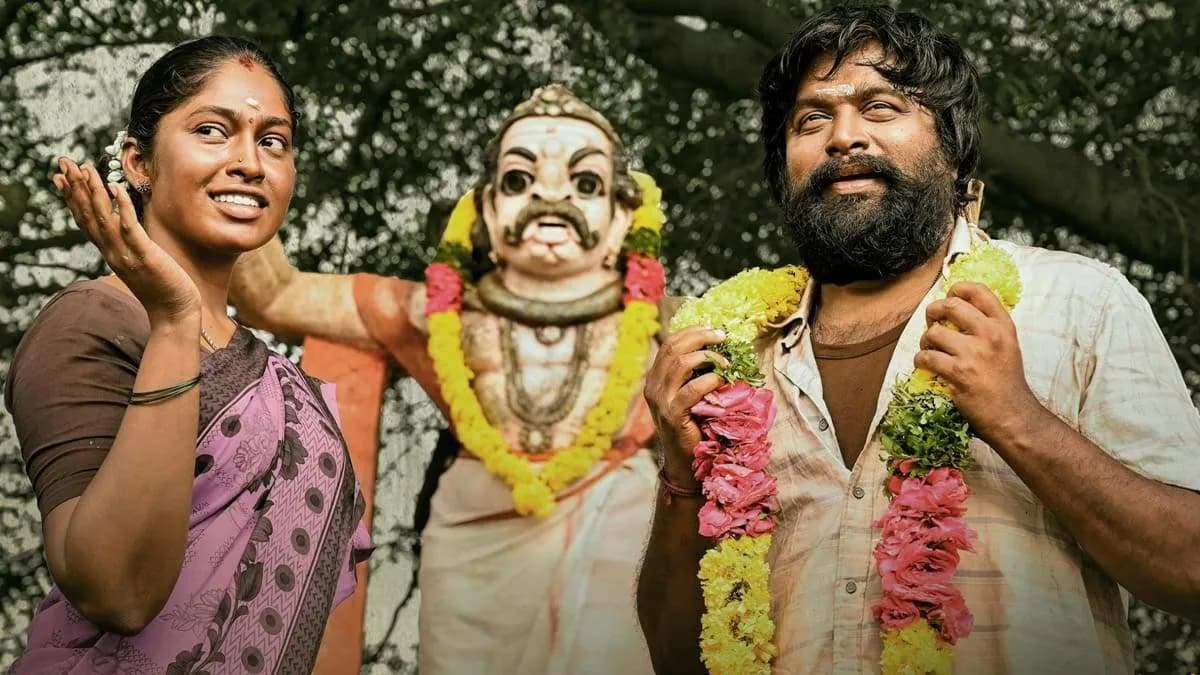
Two years after Nandhan released in theatres, its producer says the film hasn't really ended for him.
Yuvaraj, who produced director Ra Saravanan's film, put up a long Facebook post recalling a question he'd asked Saravanan when he first heard the story: why call it Nandhan? He got an answer back then. He thought he understood it. He says he only really understood it recently, after sitting across from close to ten elected panchayat presidents and listening to what their lives have actually looked like.
According to Yuvaraj's post, each of them had a different story. Insults that continued after they'd won office. Rights they were denied on paper despite being elected. Threats they'd had to sit through. One of them, he writes, spoke with visible happiness about a change that had come only in the last six months.
"Six months ago, they wouldn't let me sit on this chair. Now I sit. I sign. The people who threatened me then are scared of me now," the panchayat president told him, according to the post.
Yuvaraj writes that a chair most of us take for granted, a signature that takes seconds, can sit on top of years of refusal and resistance for someone else. Listening to these leaders talk, he says, brought back moments from Nandhan. What struck him more, though, was how they spoke about the film itself. Not as a movie they'd watched, he writes, but as something that had spoken up for them in public.
That's what led him to the bigger point in his post: why does a film get made at all? Business matters to cinema, he says, a film has to earn back what it costs. But not every film is built for that alone. Some exist to make people look back at someone they'd walked past. Nandhan, in his telling, is that kind of film, and it could easily have been louder. Bigger dialogues, bigger anger, more manufactured emotion. Saravanan chose not to, staying with the truth of the people he'd met over a mass moment, Yuvaraj writes.
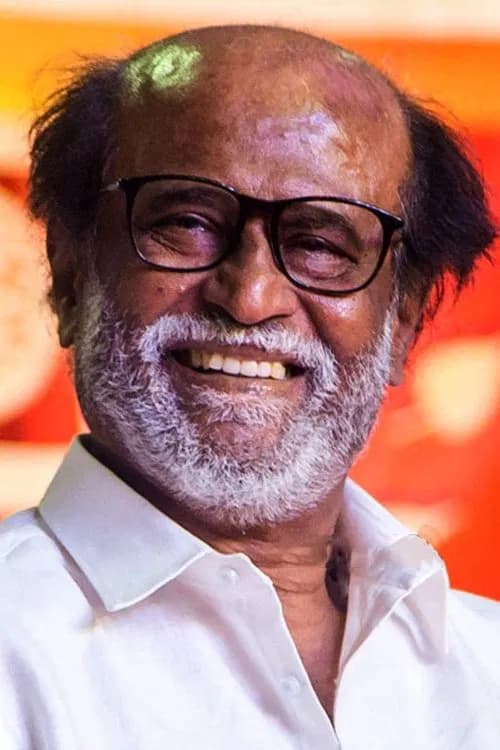
Rajinikanth was among those who praised Nandhan when it released, per the post, though Yuvaraj doesn't dwell on that here. His focus is on his own small part in the film's journey, designing its title and first-look poster, and how that job means something different to him now.
He closes the post addressing Saravanan directly, saying the screen may have gone dark but some of the lights the film switched on haven't gone out. Nandhan's journey, he writes, should continue.
Whether that continuation means a re-release, a sequel, or simply more conversations like the one Yuvaraj describes, his post doesn't say. For now, it's a producer's private reckoning, made public, with a film he made two years ago.
Be the first to comment
Join the argument. No password, just your email or a passkey.