June 12, 2027, is now the date that matters most.
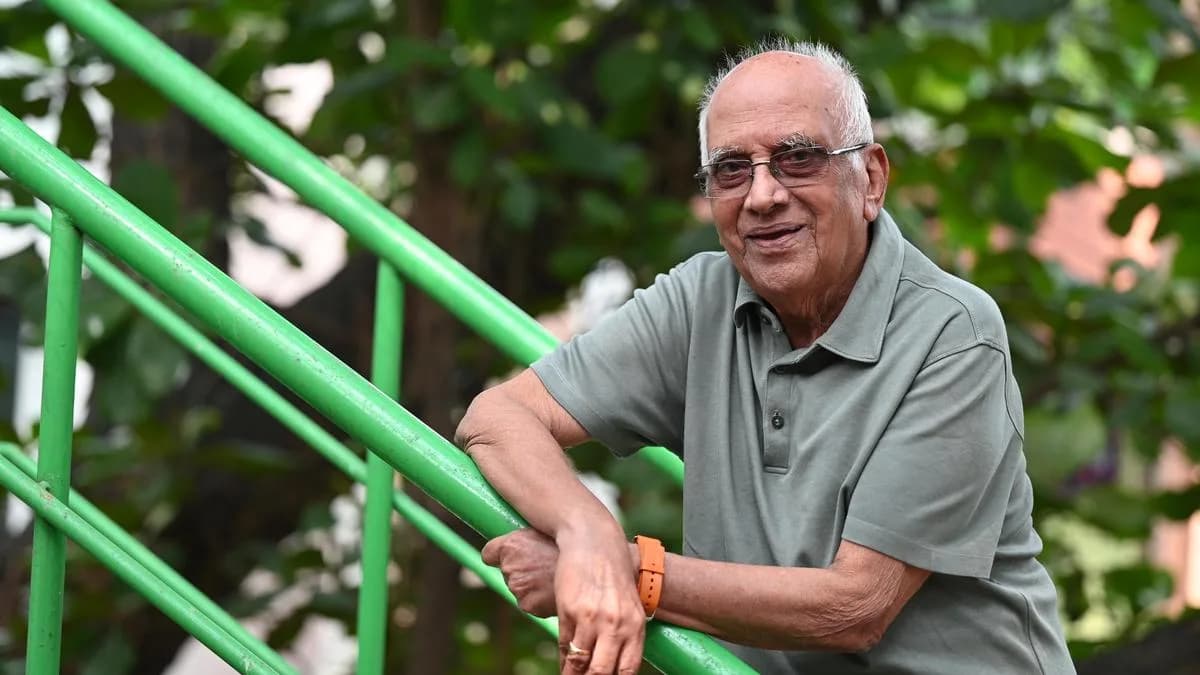
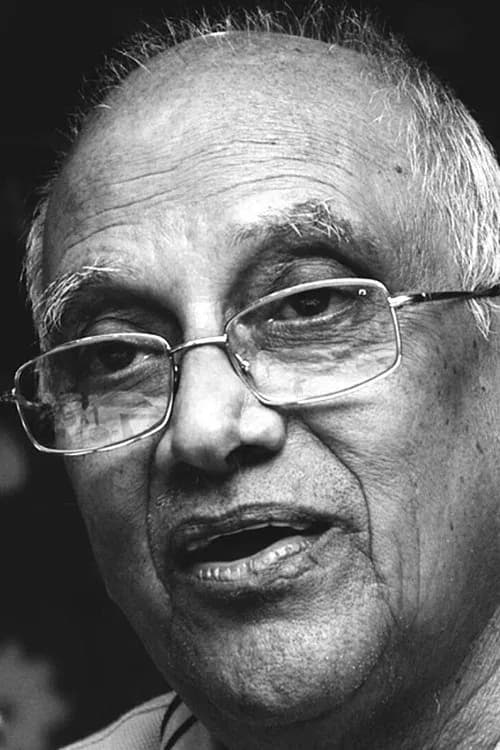
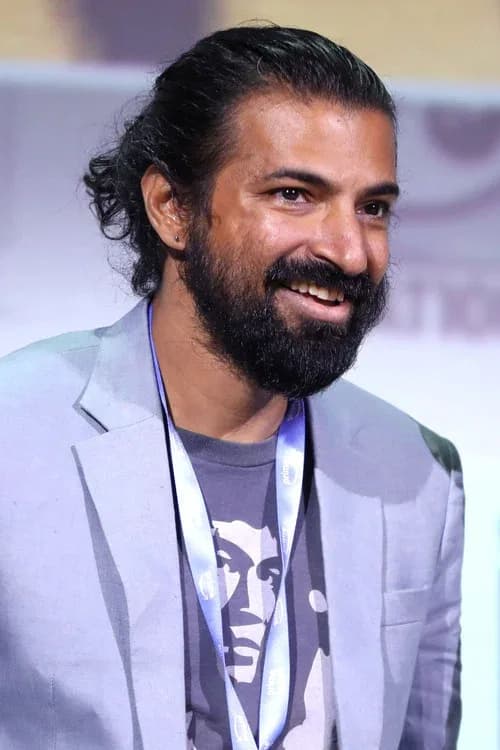
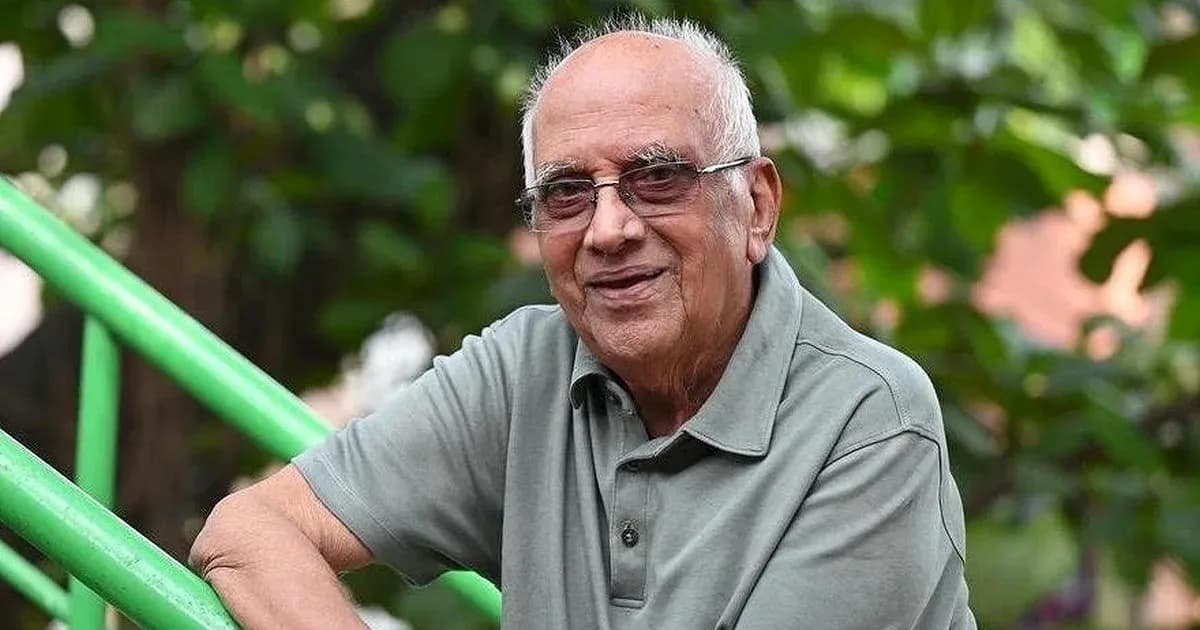
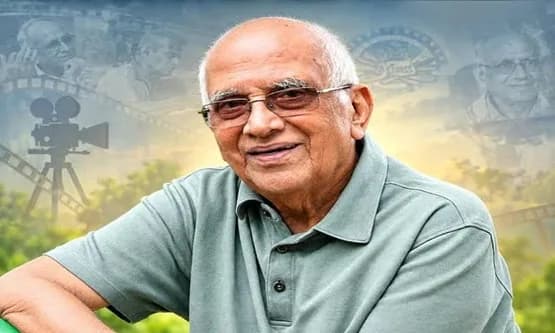
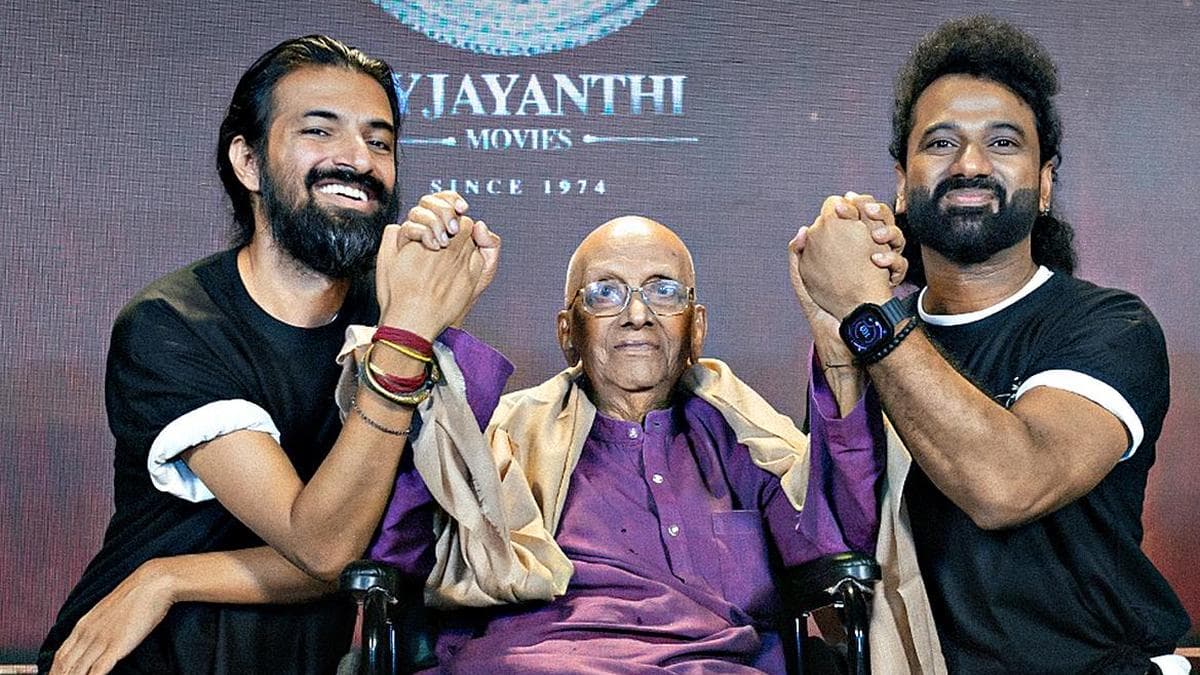
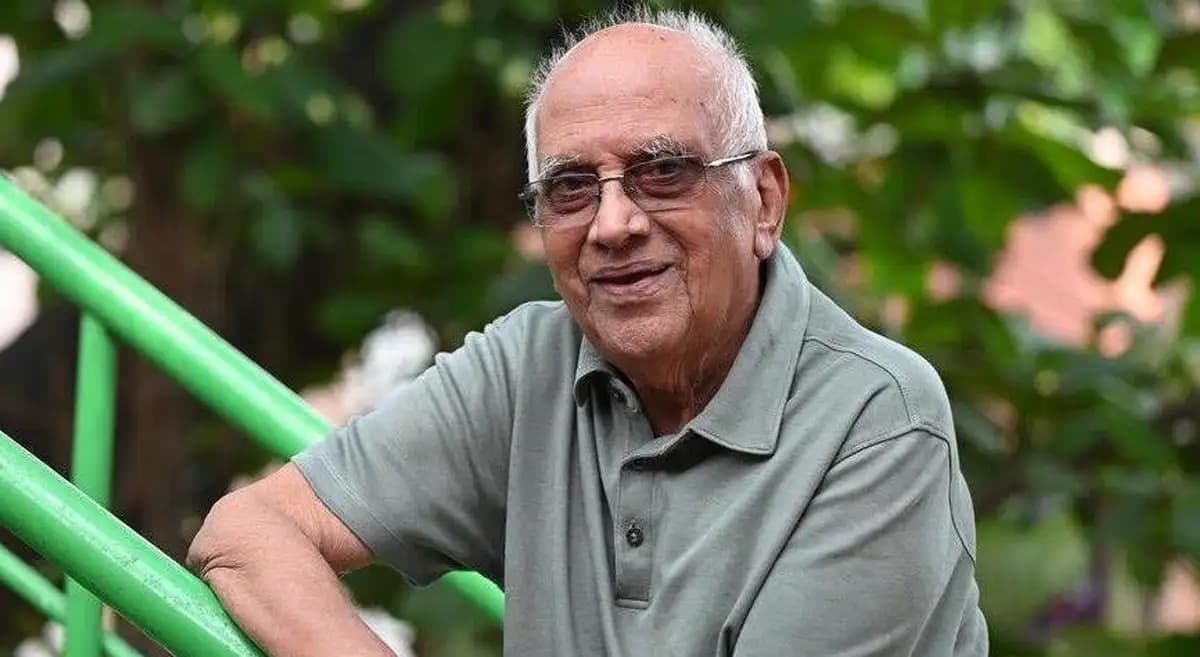
Singeetham Srinivasa Rao’s final film, Sing Geetham, is set for release on June 12, 2027 — just months after the legendary director passed away at 95 in Chennai. The Telugu musical fantasy, produced by writer-director Nag Ashwin under Vyjayanthi Films and scored by Devi Sri Prasad, will premiere posthumously, marking the culmination of a career that spanned nearly seven decades.
The project, which began conceptualizing over four decades ago, features a narrative driven entirely by songs rather than dialogue, a bold departure from conventional storytelling. Executive director Sankalp Gora leads the young creative team behind the film, which was unveiled at a pre-release event in Hyderabad attended by Kamal Haasan, Nag Ashwin, and Devi Sri Prasad.
The idea, as Singeetham himself stated during the event, emerged more than 40 years prior, reflecting a lifelong commitment to cinematic risk. In one conversation hosted by Raaj Kamal Films International over a year ago, when Suhasini Mani Ratnam asked why he chose a silent film format for Pushpak, his response was simple: “why not?” That moment encapsulates the fearless spirit that defined his work.
His films. Vichitra Sodarulu, Pushpaka Vimanam, Aditya 369, Bhairava Dweepam, and Michael Madana Kama Rajan, are celebrated for their genre diversity and technical daring. Director Vivek Athreya described him as an Indian Steven Spielberg, citing the emotional resonance of films like Appu and the visual innovation in scenes such as the mirror sequence in MMKR.
He also praised the depth of writing in Apoorva Sagodharargal, calling it capable of moving him to tears even today. Mohana Krishna Indraganti noted how Singeetham broke the trap of predictability early in his career, refusing to conform to audience expectations. He highlighted the sharp wit in dialogues, particularly in Michael Madana Kama Rajan, and expressed wonder at the collaborative synergy with writers like Crazy Mohan and actors like Kamal Haasan.
Collaborations he questioned whether could still happen today. Venkatesh Maha pointed to the dramatic weight in Singeetham’s storytelling, whether comic or tragic, rooted in strong writing. He cited the beggar character in Pushpak, whose life ends in solitude despite wealth, as a moment that lingers long after the screen fades.
The film’s release date now stands as both a tribute and a test: can a vision born decades ago, carried forward by a master who no longer lives, find its voice in the present? The answer lies in theatres on June 12, 2027.

Be the first to comment
Join the argument. No password, just your email or a passkey.