The Social Reckoning opens with a whisper — and a warning.
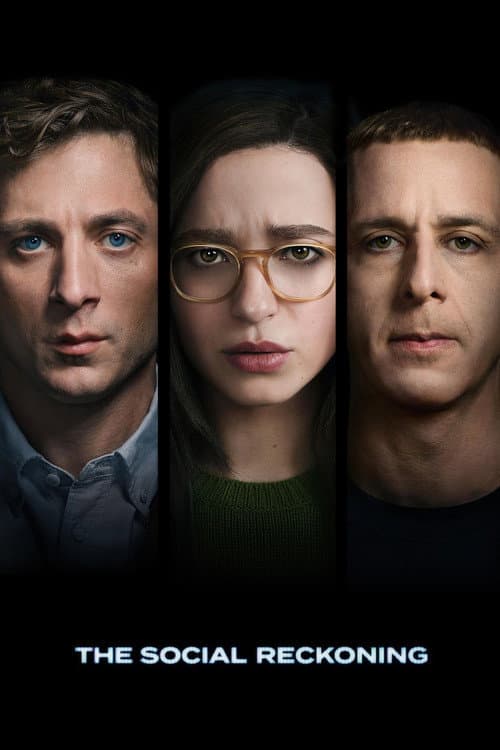
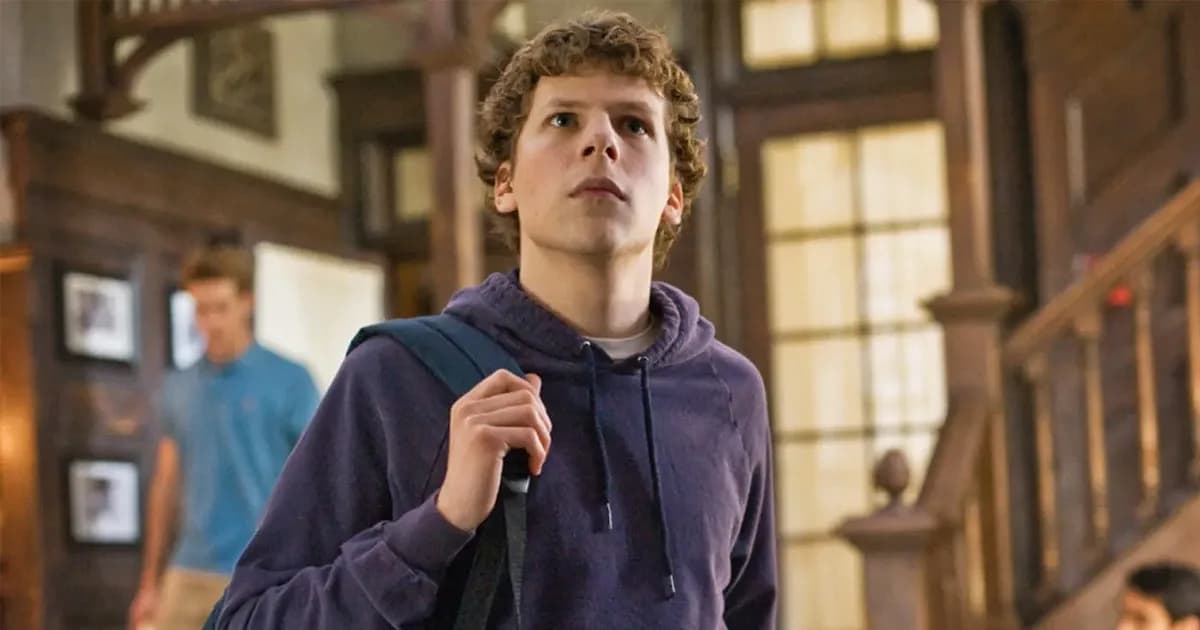
The Social Reckoning, the long-awaited sequel to David Fincher’s 2010 biographical drama The Social Network, arrives in North American cinemas this Friday, October 9 — and it’s already facing a quiet reckoning of its own. Early projections from Box Office Pro suggest the film will open with between $6 million and $10 million across the region, a figure that falls well short of the original’s $22.4 million debut weekend.
Even at the upper end of that range, the sequel would earn less than half what the first film pulled in during its opening frame. The prequel, based on Ben Mezrich’s 2009 book The Accidental Billionaires, was made on a reported budget of $40 million and went on to gross $97 million domestically over its lifetime.
It was a critical and commercial touchstone, sharp, icy, built on real-world tension. The sequel, however, is tracking as a slow burn from the start. There’s little buzz. No viral moments.
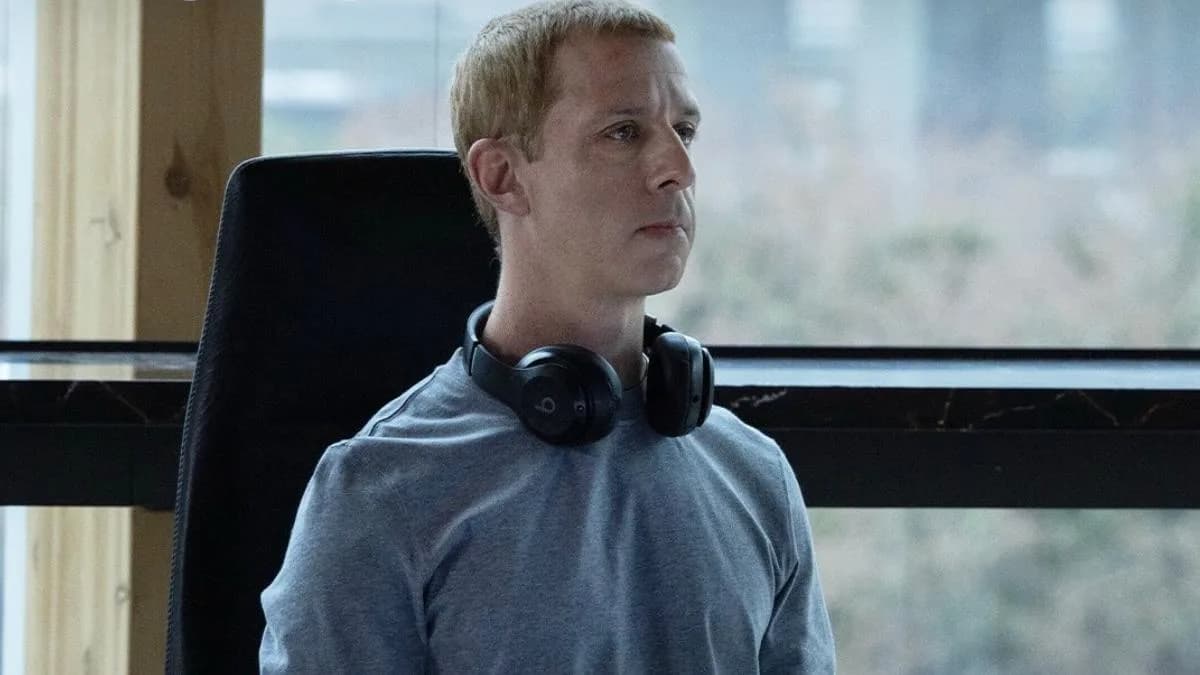
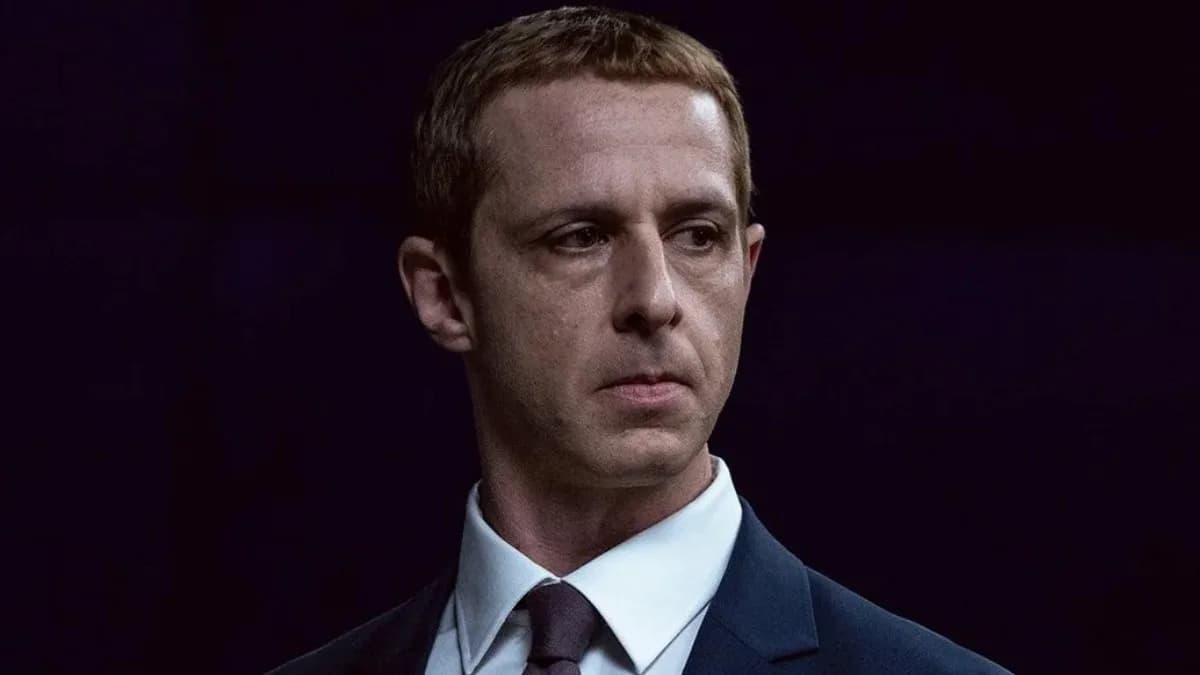
Just a low-key rollout for a film that’s supposed to be about one of the most consequential corporate scandals of the digital age. The story centers on Frances Haugen, a former Facebook engineer who worked with Wall Street Journal reporter Jeff Horwitz to expose the company’s internal practices. Aaron Sorkin, who had a cameo in the original as an ad executive, returns as director.
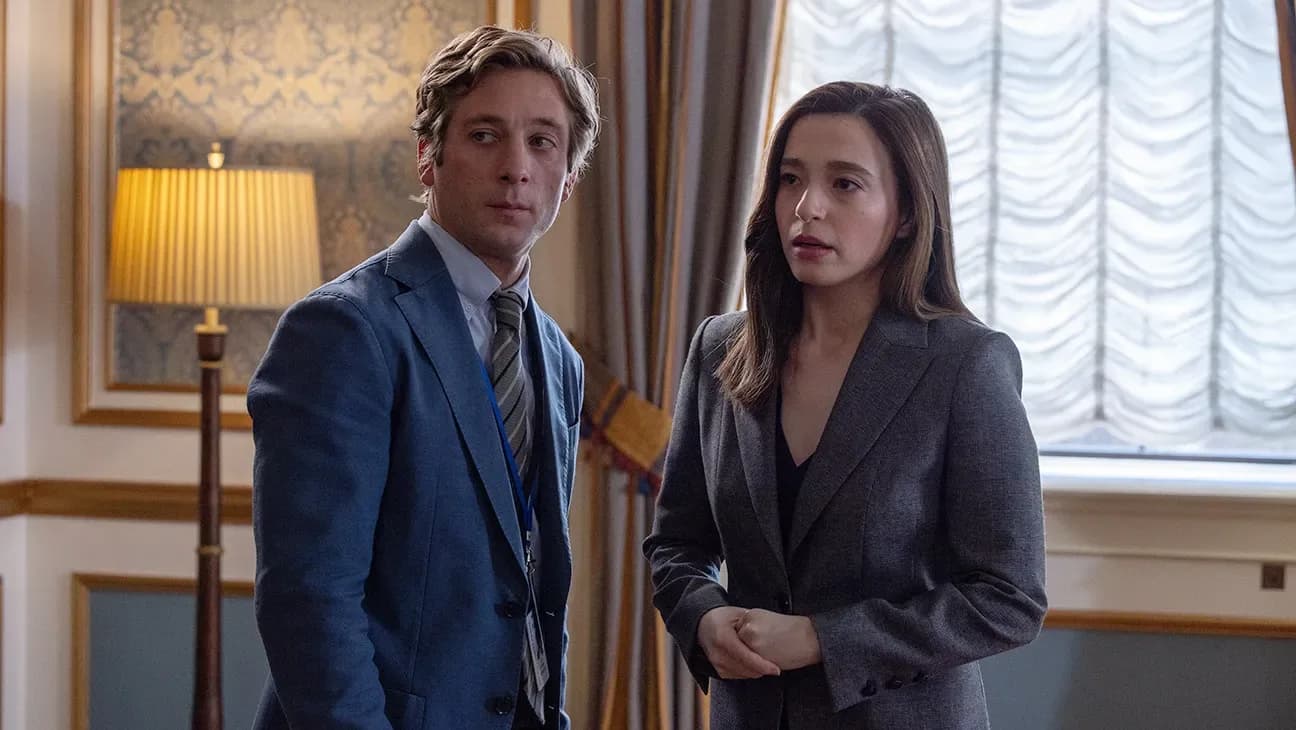
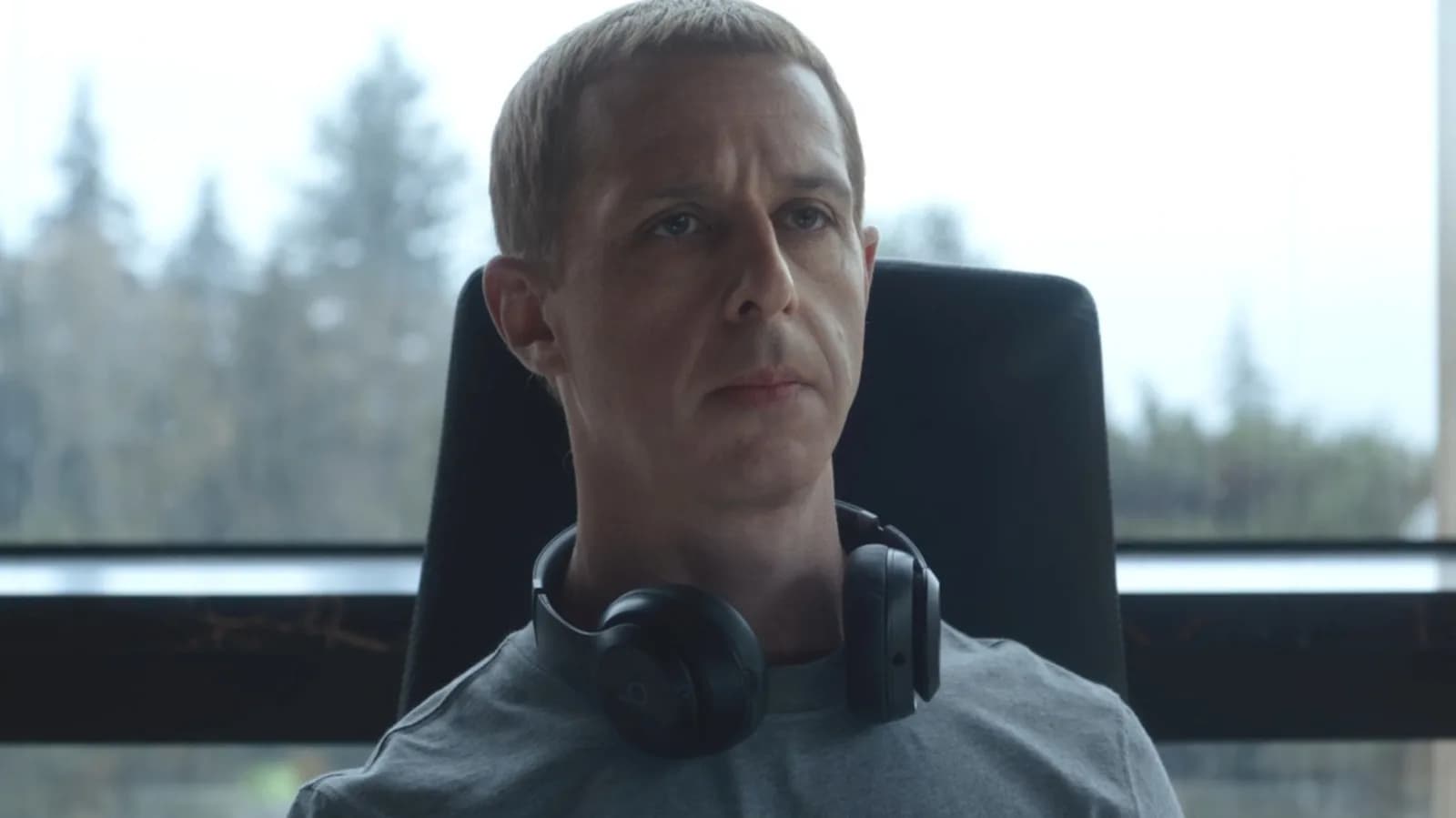
He’s now helming a legal thriller starring Mikey Madison, Jeremy Allen White, Jeremy Strong, Bill Burr, Betty Gilpin, and Billy Magnussen. The film’s premise. A whistleblower’s fight against a tech giant, should’ve sparked conversation. Instead, it’s being met with silence.
According to trade sources quoted by Koimoi, the lack of momentum isn’t just about marketing. It’s about timing, tone, and audience fatigue. The original film captured a moment when Silicon Valley still felt like a frontier. Now, the same narrative feels recycled.
The Social Reckoning may have a message. But it’s not finding its audience. Its success now hinges entirely on word-of-mouth. If that doesn’t build fast, this won’t just be a box office underperformer.
It could become a symbol: proof that even stories about power, privacy, and accountability can lose their edge when told too late. The real test isn’t how much it earns. It’s whether anyone still cares.


Be the first to comment
Join the argument. No password, just your email or a passkey.